
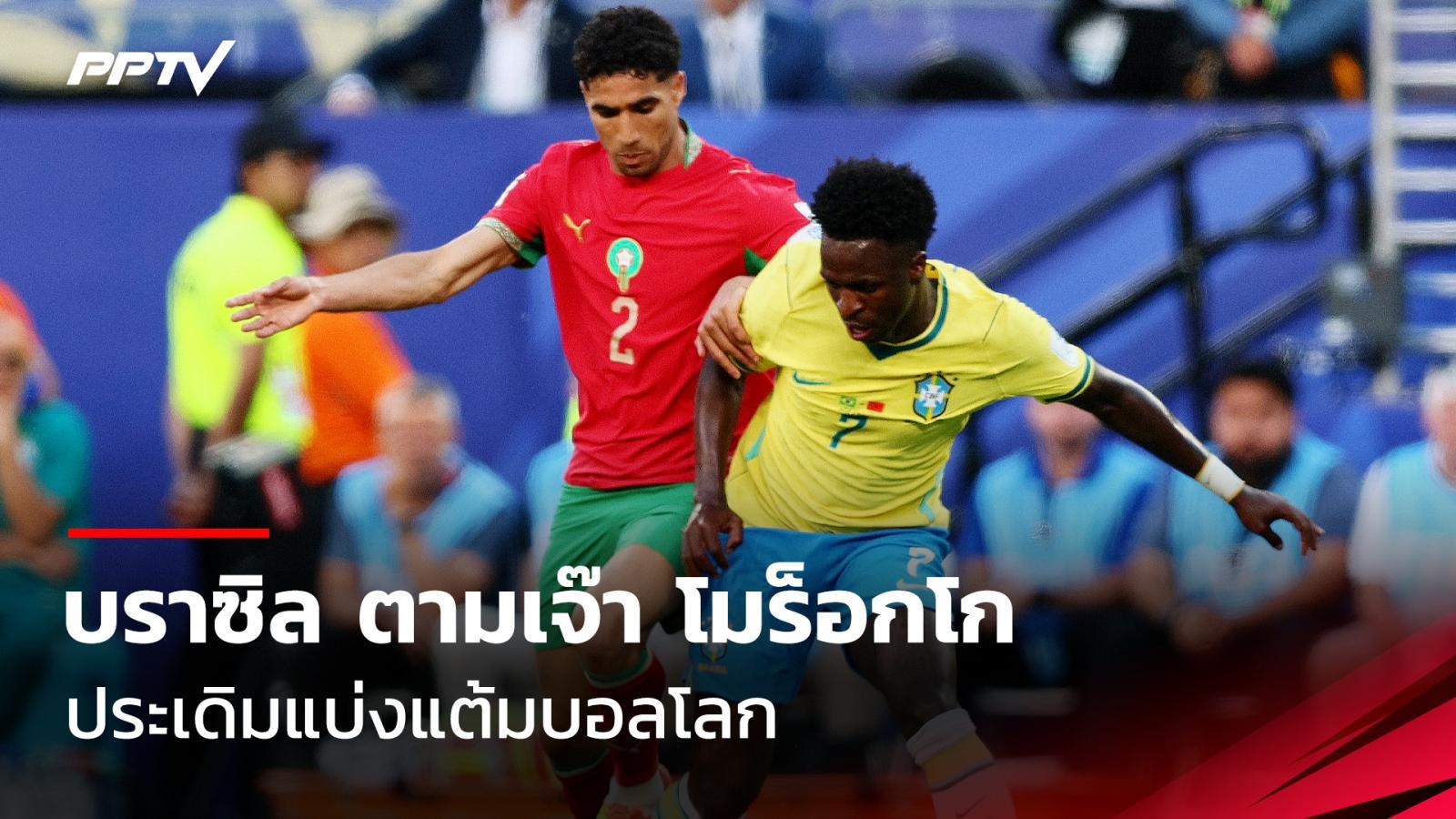
Brazil and Morocco opened their 2026 FIFA World Cup campaign with a 1-1 draw at MetLife Stadium in New Jersey on Sunday, June 14, 2026. Ismael Saibari gave Morocco an early lead before Vinícius Júnior equalized for the five-time champions, leaving both teams with one point in Group C.
The Tactical Breakdown of the 1-1 Draw
The opening match for both nations saw a tactical clash at MetLife Stadium, with Morocco initially taking control of the rhythm. According to reporting from PPTVHD36, Morocco pressed Brazil early, and their persistence paid off in the 21st minute. Brahim Díaz delivered a precise through-ball that bypassed the Brazilian defense, allowing Ismael Saibari to chip the ball over goalkeeper Alisson Becker for the opening goal. The goal underscored Morocco’s intent to replicate the high-intensity defensive and counter-attacking style that defined their historic run in the previous World Cup cycle.
Brazil, managed by Carlo Ancelotti, struggled to find fluency until the 32nd minute. Bruno Guimarães provided the assist for Vinícius Júnior, who cut inside and finished with a sharp strike to level the score. The match remained intense through the second half, with both teams exchanging opportunities. Morocco’s Yassine Bounou proved vital, denying a powerful effort from Igor Thiago in the 53rd minute and later stopping a curling shot from Danilo in stoppage time, as detailed in match coverage. The draw at MetLife Stadium, one of the primary venues for the 2026 tournament, set a competitive tone for the remainder of the group stage.
Squad Selection and Injury Constraints
Both managers entered the tournament facing significant roster challenges, a common hurdle for national teams navigating the condensed schedules of modern international football. Brazil’s lineup was notably missing star forward Neymar, who was ruled out due to a calf injury, according to PPTVHD36. The absence of a player of Neymar’s profile requires significant tactical adjustments, forcing Brazil to rely more heavily on the creative output of wingers like Vinícius Júnior. Additionally, the team saw a late adjustment when Wesley withdrew due to an injury sustained in a warm-up match against Egypt, prompting the call-up of Ederson.
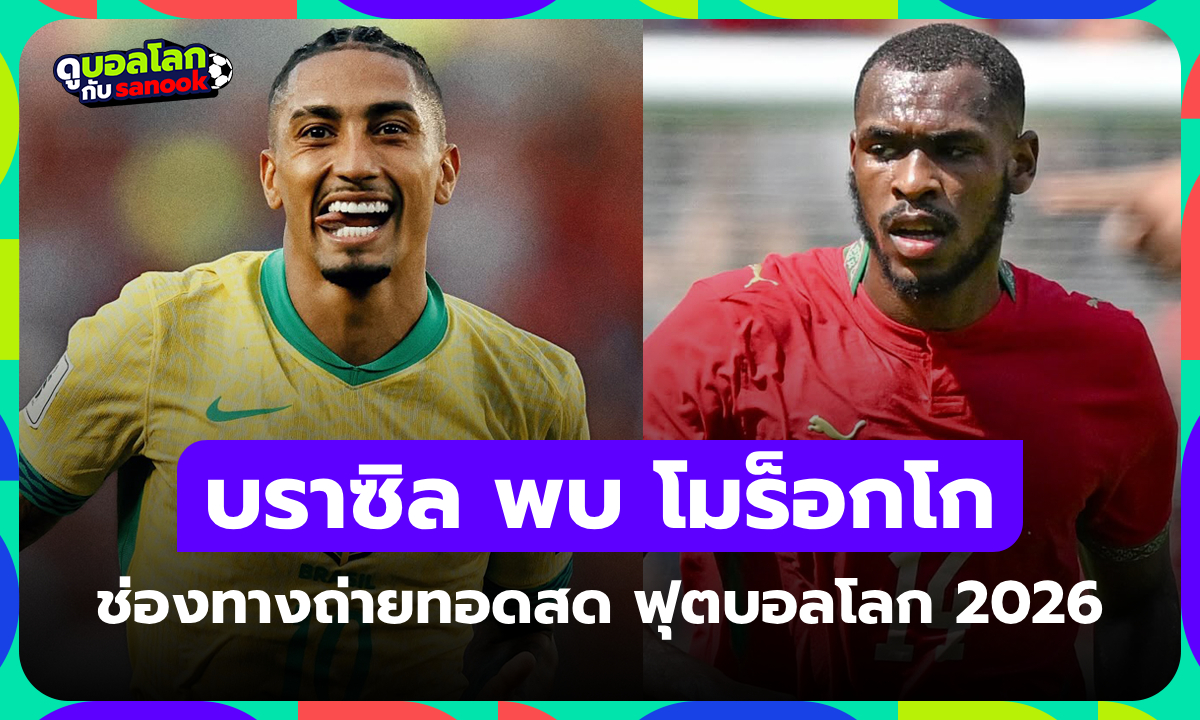
Morocco faced its own personnel hurdles under coach Mohamed Ouahbi. The team arrived without Nayef Aguerd and Abde Ezzalzouli, both of whom withdrew due to injuries. Furthermore, Noussair Mazraoui’s status was a late concern after he sustained a shoulder injury during a friendly match against Norway. The LINE TODAY preview noted that these absences forced significant changes to the squad that reached the semifinals in the previous tournament, with players like Marouane Saadane and Amine Sibaoui stepping in to fill the gaps. Managing the fitness of core players is critical in tournament play, where the short turnaround between matches limits the opportunity for recovery.
For more on this story, see Vinicius Jr Scores Equalizing Goal in Brazil vs Morocco Draw.
Historical Context and Tournament Expectations
This match marked a high-stakes return to the global stage for Brazil, which has not secured a World Cup title in 24 years. The appointment of Carlo Ancelotti represents a shift in strategy, as the team broke a 60-year tradition by hiring a non-Brazilian head coach, as reported by LINE TODAY. Ancelotti’s tenure is viewed as a calculated effort to integrate European tactical discipline into the traditional Brazilian style of play, a transition that remains under intense scrutiny from the Brazilian media and fan base.
For Morocco, the expectations remain high following their historic fourth-place finish in the 2022 tournament. The current squad has undergone a transition, with Mohamed Ouahbi taking over the head coaching duties just three months before the tournament began. The historical head-to-head record between these two nations adds weight to the result; in their last meeting—a 2023 friendly—Morocco defeated Brazil 2-1 with goals from Sofiane Boufal and Abdelhamid Sabiri, per PPTVHD36 statistics. This recent history suggests that the gap between the traditional powerhouses and emerging contenders has narrowed, contributing to the parity seen in group play.
Group C Outlook
With the draw, Brazil and Morocco now look toward the remaining fixtures in Group C. The 2026 tournament, hosted jointly by the United States, Canada, and Mexico, features an expanded format with 48 teams competing in 104 total matches. This expansion increases the number of group-stage games, making every point earned in the opening round vital for securing a favorable position in the round of 32. FIFA’s decision to move to this format is designed to increase global participation, though it places higher demands on team depth and squad rotation throughout the tournament.

Fans have been tracking the tournament via multiple digital platforms, with live coverage provided through services like Monomax, as noted by Sanook.com. As the group stage progresses, both coaches will need to evaluate the fitness of their respective squads, particularly given the injuries that hampered their preparations. The draw leaves the group wide open, forcing both teams to secure points in their upcoming matches to ensure a path to the knockout stages. In a tournament of this magnitude, the pressure to secure a win in the second group-stage match becomes amplified for teams that started with a draw, as they look to avoid a “must-win” scenario in the final round of group play.
Find more reporting in our Sport section.
