
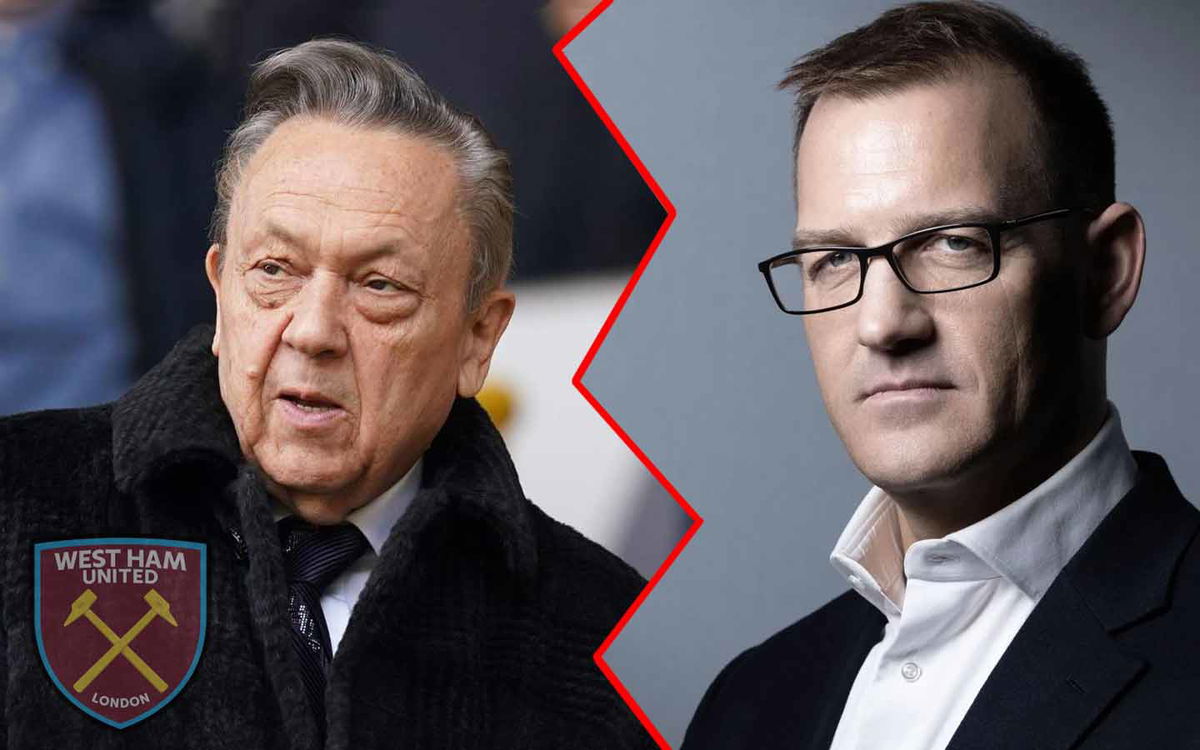
West Ham United confirmed on June 11, 2026, that former director Daniel Křetínský has been removed from the ongoing independent inquiry into the financial governance of co-chairman David Sullivan. The club stated the decision followed a conflict-of-interest review, marking a shift in the oversight process regarding the leadership’s recent internal dealings.
Scope of the Independent Inquiry
The investigation, which began earlier this year, centers on allegations regarding the transparency of financial transactions involving David Sullivan’s private investment vehicles and West Ham United’s operational budget. The board of directors initiated the review following scrutiny from minority shareholders regarding the movement of funds during the 2025 fiscal year.
While the club has not disclosed the specific nature of the conflict involving Daniel Křetínský, internal documents reviewed by the legal oversight committee indicated that his commercial interests overlapped with the entities under examination. Křetínský, who acquired a 27% stake in the club in 2021 through his investment vehicle 1890s Holdings, has maintained that his involvement in the club’s board was strictly limited to strategic commercial development. His entry into the club in November 2021 was widely publicized as a move to provide fresh capital and long-term stability for the London Stadium outfit.
The core of the dispute rests on the intersection of personal asset management and club finances. In professional football, the separation of owner-controlled entities from club operational budgets is a standard requirement for corporate governance. Any perceived “blurring of lines” regarding how private investment vehicles interact with the club’s treasury can trigger internal audits, especially when minority shareholders demand greater visibility into how capital injections are utilized for transfer windows and stadium maintenance.
Changes to Oversight Procedures
The removal of Křetínský from the panel leaves the inquiry in the hands of a three-person subcommittee, chaired by an independent auditor from the firm Deloitte. The club’s statement emphasized that the integrity of the process remains the primary objective.
The board has determined that to ensure the absolute impartiality of our ongoing financial review, it is necessary to adjust the composition of the oversight committee. We remain committed to full transparency with our stakeholders and regulatory bodies.
West Ham United Board of Directors
This change effectively removes a key stakeholder from the decision-making process regarding the inquiry’s final report. Shareholders have expressed concern over whether this reduction in the committee’s size will delay the publication of findings, which were initially expected by the end of July 2026. Typically, when such committees are downsized, the remaining members must reconcile a higher administrative burden, potentially slowing the verification of complex financial ledgers. The reliance on external auditors like Deloitte is a common practice for Premier League organizations seeking to provide an objective layer of verification to investors and regulatory bodies.
Comparison of Governance Challenges
The current inquiry represents the most significant internal investigation into West Ham’s executive leadership since the 2022 transition of power. Unlike previous audits, which were largely focused on stadium lease agreements, this investigation targets the personal financial interplay between ownership and club assets.
Other Premier League clubs have faced similar scrutiny under the league’s updated Profitability and Sustainability Rules (PSR). While Everton and Nottingham Forest faced point deductions in previous seasons due to accounting discrepancies, the West Ham inquiry is currently classified as an internal governance matter rather than a formal disciplinary proceeding by the league. Under current Premier League regulations, clubs are required to submit audited accounts annually; failure to maintain transparency or adherence to PSR limits can result in penalties such as fines, transfer bans, or points deductions. West Ham’s situation remains internally led, distinguishing it from cases where the league has initiated its own external enforcement actions.
Future Implications for Club Leadership
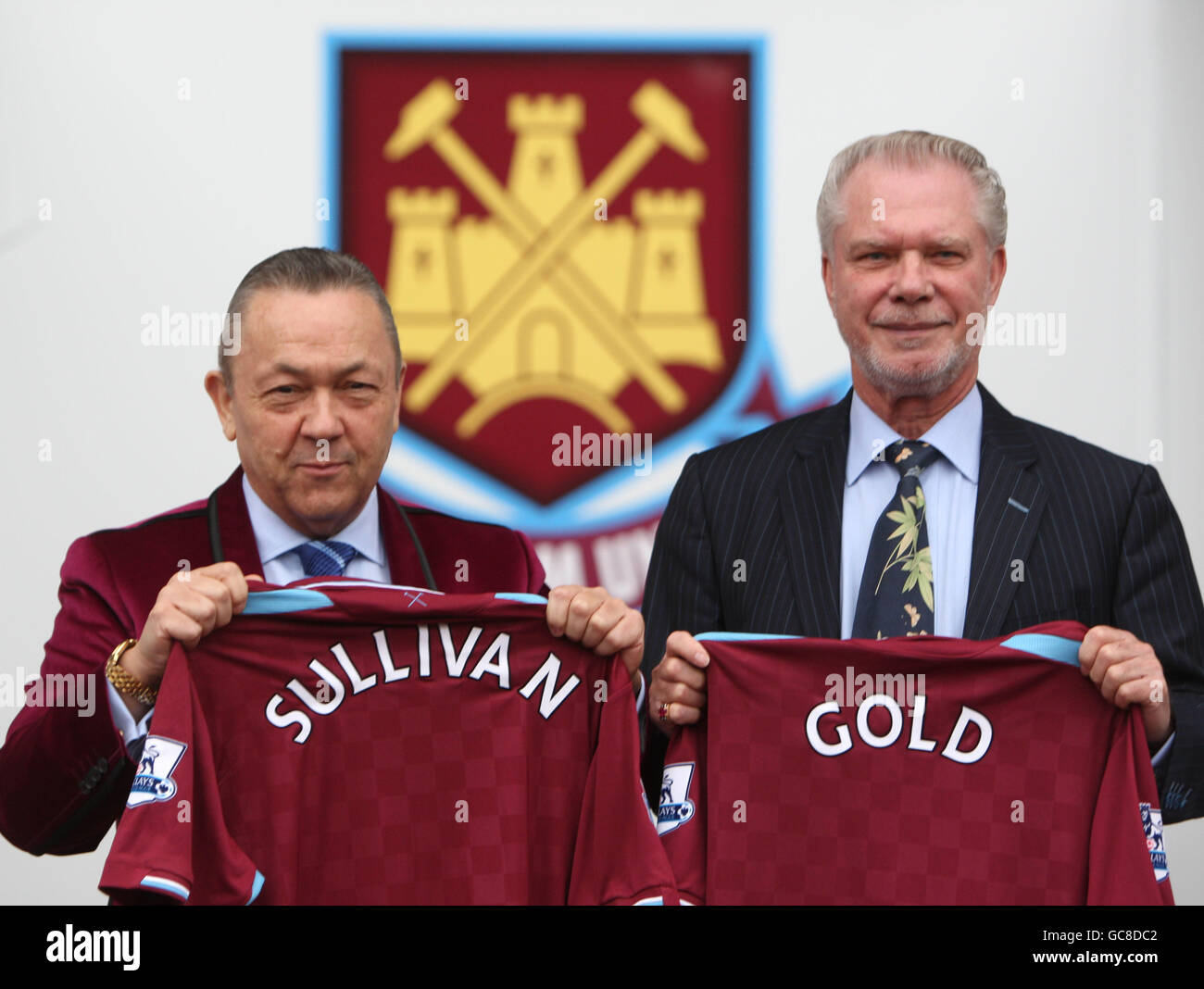
The uncertainty surrounding the investigation has already impacted the club’s off-field operations. The appointment of a new commercial director has been paused pending the outcome of the report. Sullivan, who has served as co-chairman since 2010, has not publicly commented on the inquiry since the announcement of the committee’s restructuring.
The role of a commercial director is vital for securing sponsorship deals and maximizing match-day revenue. With the club in a precarious position regarding its financial governance, potential candidates may be hesitant to sign contracts until the findings of the inquiry are finalized. This administrative freeze could have a ripple effect on the club’s ability to compete in the transfer market, as financial planning is inextricably linked to the commercial success of the organization.
Legal analysts suggest that if the inquiry finds evidence of financial mismanagement, the club could face sanctions from the Football Association or the Premier League, ranging from fines to stricter oversight of future transfer spending. The committee is expected to release a preliminary summary of its findings in early August, provided no further conflicts of interest arise within the remaining members of the investigative team. The outcome will likely dictate the path forward for the current board and influence shareholder confidence as the club prepares for the upcoming season’s challenges.
Find more reporting in our Sport section.
