
The 2026 FIFA World Cup, hosted by the United States, Mexico, and Canada, faces significant logistical and diplomatic challenges as the tournament begins. Reports indicate multiple instances of restricted entry for tournament officials and fans, while critics highlight the intersection of international politics, sportswashing, and high ticket prices affecting attendance. The tournament, which represents the largest iteration of the competition to date, has struggled to reconcile its global mandate for inclusivity with the rigid border and security policies of its primary host nation.
Visa Restrictions and Denied Access for Officials and Fans
The tournament’s opening days have been marked by diplomatic friction. According to reporting by Novinky, a Somali referee accredited by FIFA was denied entry into the United States, preventing him from officiating the match between the Czech Republic and South Korea. The outlet notes that this denial occurred despite the referee’s official status, with U.S. authorities citing policies regarding his country of origin. This incident highlights a recurring tension in hosting mega-events: the conflict between FIFA’s requirement for universal access for accredited personnel and the sovereign right of host nations to enforce their own immigration and security protocols.
This is not an isolated incident. Seznam Zprávy reports that similar visa issues have affected fans, including those from Scotland, who were unable to enter the country despite holding valid tickets for matches. The combination of these entry barriers and the current political climate has led to public criticism of the tournament’s accessibility. For international supporters, the process of securing entry to the U.S. remains a significant hurdle, particularly as the tournament rules require fans to navigate complex visa application systems that are often subject to administrative delays and inconsistent approval standards.
Ticket Sales and Attendance Projections
Financial and attendance expectations for the tournament appear to be falling short of organizers’ initial estimates. The day before the tournament kicked off, roughly 180,000 tickets remained unsold. Observations from the Czech-South Korean match confirmed the presence of large sections of empty seats, a detail highlighted by Seznam Zprávy. These empty rows, often in the high-visibility lower bowls of stadiums, serve as a stark visual indicator of the disconnect between the premium pricing model adopted for the 2026 games and the actual demand from the average football supporter.
For more on this story, see Mexico Defeats South Africa 2-0 in FIFA World Cup Opener.
Hotel bookings in New York City serve as a key indicator of the lower-than-anticipated turnout. While organizers had projected an influx of 1.2 million fans to the city for the duration of the event, local hotels are currently reporting that actual occupancy is tracking at approximately 50% of those original estimates. This shortfall has implications for the local tourism economy, which invested heavily in infrastructure and hospitality staffing in anticipation of a record-breaking surge in international visitors that has yet to materialize at the scale initially forecasted.
The Intersection of Politics and Sport
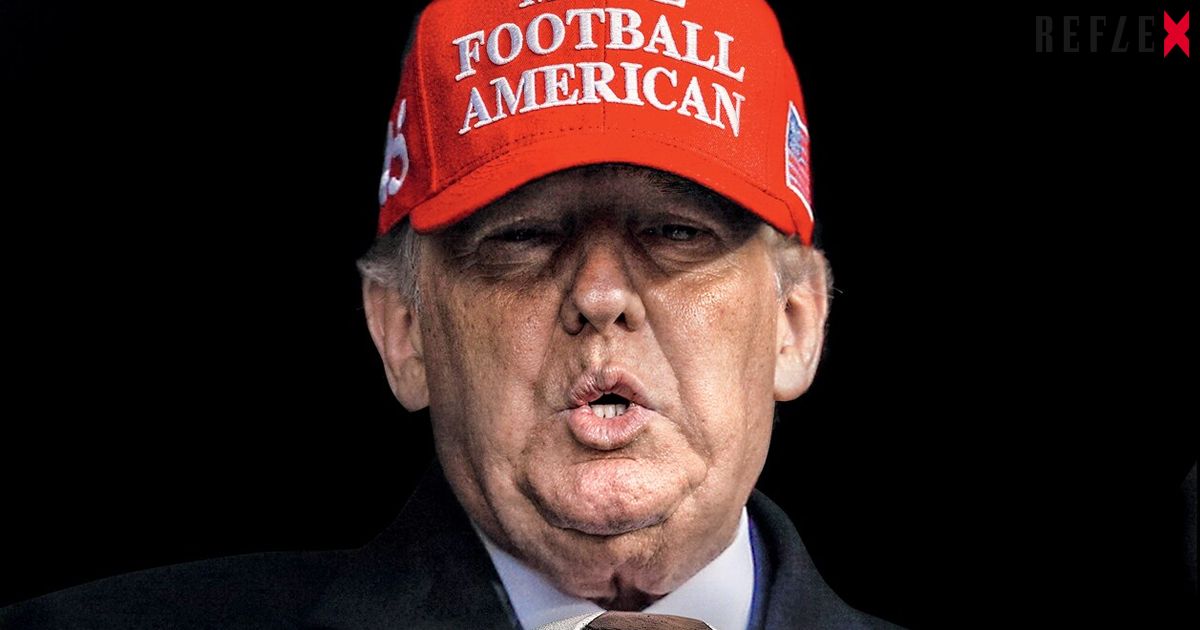
The involvement of political figures and the influence of national policies on the tournament have drawn sharp commentary. Reflex.cz reports that the tournament is being used as a platform for political and economic influence, specifically noting the high-profile presence of Donald Trump. The integration of high-stakes political messaging into the sports environment has complicated the tournament’s neutral status, a cornerstone of FIFA’s traditional branding strategy.
This follows our earlier report, Iran at FIFA World Cup 2026.
Journalist Bartoloměj Černík, writing for Reflex.cz, frames these dynamics within the concept of sportswashing, where governments leverage major events to manage their international reputations. The complexity is further heightened by the geopolitical realities surrounding the participating nations:
- The United States is technically in a state of war with Iran, a participating nation in the tournament, raising questions about diplomatic immunity and security protocols for visiting teams.
- Mexico, a co-host, has been a frequent subject of negative rhetoric from U.S. political leadership regarding border security and migration, creating a strained atmosphere between the hosting partners.
- FIFA’s decision-making process, including the recognition of political figures, has faced scrutiny for prioritizing pragmatism over humanitarian consistency, leaving fans and players to navigate a tournament landscape defined by shifting national policies.
Comparison: The Double Standard in International Sport
Analysts have pointed to a perceived double standard in how the United States handles international sports participation. Novinky contrasts the exclusion of the Somali referee with the ongoing efforts by the NHL to include a Russian representative team in the upcoming World Cup of Hockey. While the International Ice Hockey Federation (IIHF) has maintained bans on Russian participation in its own events, the NHL-organized tournament has moved to allow Russian players to compete under their national flag, highlighting a lack of uniformity in how different sports organizations manage global political tensions.
Read also: Alaba’s Fitness Crisis Threatens Austria’s World Cup Opener Ahead of California Clash.
This inconsistency creates a fractured landscape for professional athletes, who are often subject to the conflicting mandates of their national governments and international governing bodies. As the 2026 World Cup continues, the ability of FIFA to maintain its status as a unified governing entity will likely be tested by the ongoing tension between its stated mission of global unity and the restrictive, politically charged environment in which this edition of the tournament is currently unfolding.
Find more reporting in our Sport section.
