

As of May 17, 2026, the World Health Organization has declared the Ebola outbreak caused by the Bundibugyo virus in the Democratic Republic of the Congo and Uganda a Public Health Emergency of International Concern, citing eight confirmed cases, 246 suspected cases, and 80 suspected deaths in Ituri Province. No Belgian institute has issued a separate warning about the outbreak beyond global health alerts.
WHO Declares Ebola Outbreak an International Emergency—But No Belgian Institute Has Issued a Separate Warning
The World Health Organization (WHO) declared the ongoing Ebola outbreak in the Democratic Republic of the Congo (DRC) and Uganda a Public Health Emergency of International Concern (PHEIC) on May 16, 2026. The outbreak, caused by the rare Bundibugyo virus strain, has raised alarms among global health officials, but no specific Belgian institute has issued an independent warning beyond the WHO’s announcement.
As of May 17, the WHO reported eight laboratory-confirmed cases, 246 suspected cases, and 80 suspected deaths in Ituri Province, DRC, across at least three health zones, including Bunia, Rwampara, and Mongbwalu. The declaration came after the WHO Director-General assessed the event against the criteria of the International Health Regulations (2005), determining that the outbreak poses a significant risk of international spread and interference with global travel.
While the WHO has emphasized the urgency of the situation, no verified sources indicate that a Belgian research institute, public health agency, or government body has released a separate statement or warning about the outbreak beyond the global health alert. Belgium’s national health authority, the *Fédération Wallonie-Bruxelles* or *Scientific Institute of Public Health* (WIV-ISP), has not issued a standalone update on the Ebola situation as of this reporting.
—
The Outbreak: Bundibugyo Virus in the DRC and Uganda
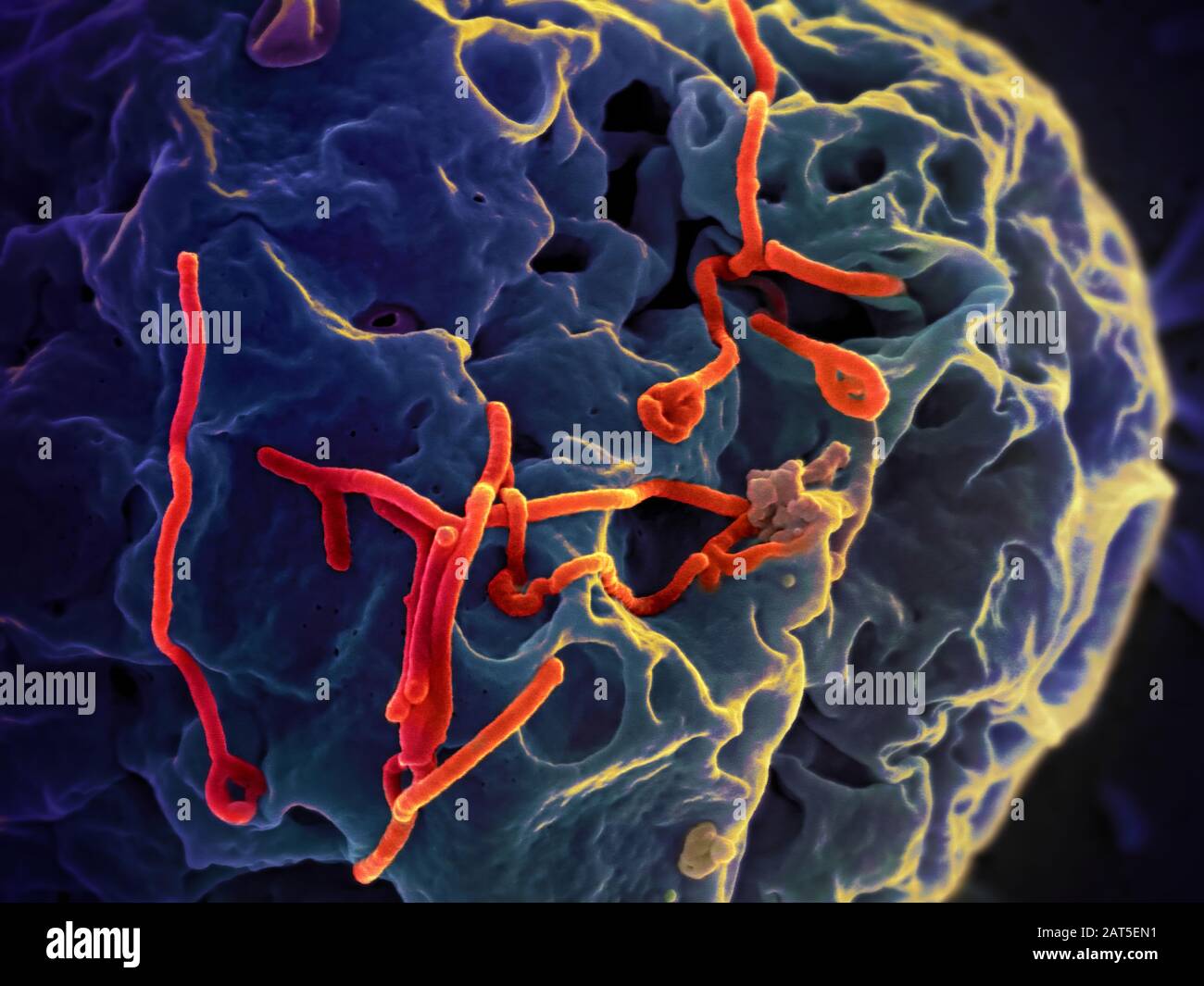
The current outbreak is caused by the Bundibugyo virus, one of six known Ebola virus species. Unlike the more commonly discussed Sudan and Zaire strains, the Bundibugyo virus has historically caused smaller outbreaks with lower fatality rates. However, its re-emergence in densely populated regions of eastern DRC—near the border with Uganda—has heightened concerns.
According to the WHO’s May 16 declaration, the outbreak meets the PHEIC criteria due to its extraordinary nature, the risk of international spread, and potential interference with international traffic. The DRC and Uganda have been praised for their transparency and rapid response, but the WHO warns that the situation remains fluid, with ongoing transmission in high-risk areas.

- Confirmed cases: 8 (as of May 16, 2026)
- Suspected cases: 246
- Suspected deaths: 80
- Geographic spread: Ituri Province, DRC (Bunia, Rwampara, Mongbwalu health zones), with cross-border implications for Uganda.
- Virus strain: Bundibugyo ebolavirus (EBOV)
- WHO declaration: Public Health Emergency of International Concern (PHEIC), but not a pandemic emergency.
The WHO has noted that while no licensed vaccines or treatments exist specifically for the Bundibugyo virus, experimental therapies and supportive care measures are being deployed. The organization has urged affected countries to scale up surveillance, contact tracing, and infection prevention measures.
—
Belgium’s Role in Global Health—But No Independent Warning Yet
Belgium, home to several prominent global health research institutions, has not issued a separate public warning about the Ebola outbreak beyond the WHO’s announcement. The country’s scientific and public health community remains engaged in international health security efforts, but no Belgian institute—such as the *Scientific Institute of Public Health (WIV-ISP)* or the *Institute of Tropical Medicine (ITM) Antwerp*—has released a standalone statement on the current Ebola situation.
For more on this story, see WHO declares Ebola Bundibugyo outbreak in DRC an international emergency.
The *WIV-ISP*, Belgium’s federal public health institute, typically coordinates with the WHO and EU health agencies on outbreak responses. While it has not issued a specific alert, its role in monitoring and responding to infectious disease threats remains critical. Similarly, the *ITM Antwerp*, a leading tropical medicine research center, has not released a public statement on the Bundibugyo outbreak as of May 17.
Belgium’s engagement in global health is well-documented, particularly through its contributions to the WHO, the EU’s Health Emergency Preparedness and Response Authority (HERA), and various vaccine development initiatives. However, the absence of a Belgian institute issuing an independent warning does not diminish the severity of the outbreak, which the WHO has already classified as a PHEIC.
- Scientific Institute of Public Health (WIV-ISP) – Belgium’s federal public health agency.
- Institute of Tropical Medicine (ITM) Antwerp – A leading research center for tropical diseases.
- Fédération Wallonie-Bruxelles – The regional government overseeing public health in Wallonia.
- Belgian Ministry of Health – The national authority responsible for health policy.
As of now, no such warning has been publicly released.
—
Why the Bundibugyo Outbreak Demands Attention
The Bundibugyo virus is less studied than other Ebola strains, making this outbreak particularly concerning. While it has caused smaller outbreaks in the past—most notably in Uganda in 2007 and 2012—its re-emergence in a region with fragile health infrastructure and cross-border movement raises significant risks.
- Geographic proximity to Uganda: The DRC-Uganda border is porous, increasing the risk of cross-border transmission.
- Limited medical countermeasures: No licensed vaccines or treatments exist for Bundibugyo ebolavirus, relying instead on supportive care.
- High population density: Ituri Province is home to millions, with limited healthcare access in affected areas.
- Historical underreporting: Previous Bundibugyo outbreaks may have been undercounted due to diagnostic challenges.
The WHO’s PHEIC declaration underscores the need for global coordination. While the risk of widespread international spread remains assessed as moderate, the organization has urged countries to enhance screening at points of entry, particularly for travelers from affected regions.
Belgium, like other EU member states, is likely monitoring the situation closely through the EU’s health security mechanisms. However, without a specific Belgian institute issuing an independent warning, the focus remains on the WHO’s global response.
—
What Comes Next: Monitoring and Response
- Enhanced surveillance: Countries will increase screening for Ebola symptoms in travelers from the DRC and Uganda.
- Coordination with pharmaceutical companies: Accelerated research into potential therapies and vaccines for the Bundibugyo strain.
- Support to affected countries: The WHO and partners will deploy medical teams, supplies, and logistical support to the DRC and Uganda.
- Public health messaging: Global campaigns to raise awareness about Ebola symptoms and preventive measures.
- Monitoring travelers from high-risk regions at airports and borders.
- Preparing healthcare systems for potential imported cases.
- Collaborating with the WHO and EU agencies on research and response efforts.
- A public health advisory from the *WIV-ISP* or *ITM Antwerp* detailing risk assessments for Belgian travelers or researchers.
- A statement from the Belgian Ministry of Health coordinating with EU health authorities.
- Research updates from Belgian-funded institutions working on Ebola countermeasures.
As of May 17, 2026, no such developments have been reported. The situation remains under the WHO’s direct oversight, with Belgian institutions aligning their responses accordingly.
—
Key Takeaways
1. The WHO has declared the Bundibugyo Ebola outbreak in the DRC and Uganda a Public Health Emergency of International Concern, citing eight confirmed cases, 246 suspected cases, and 80 suspected deaths.
2. No Belgian institute—including the *Scientific Institute of Public Health (WIV-ISP)* or the *Institute of Tropical Medicine (ITM) Antwerp*—has issued a separate warning beyond the WHO’s global alert.
3. The Bundibugyo virus is less studied than other Ebola strains, making this outbreak particularly challenging to contain without specific medical countermeasures.
4. The WHO’s declaration triggers international coordination, including enhanced surveillance, research acceleration, and support to affected countries.
5. Belgium’s role in global health remains active, but any independent warning would likely come from the *WIV-ISP* or *ITM Antwerp* if the situation warrants further local action.
For travelers, health authorities recommend consulting official advisories from the WHO and national health agencies before visiting or transiting through high-risk regions.
