
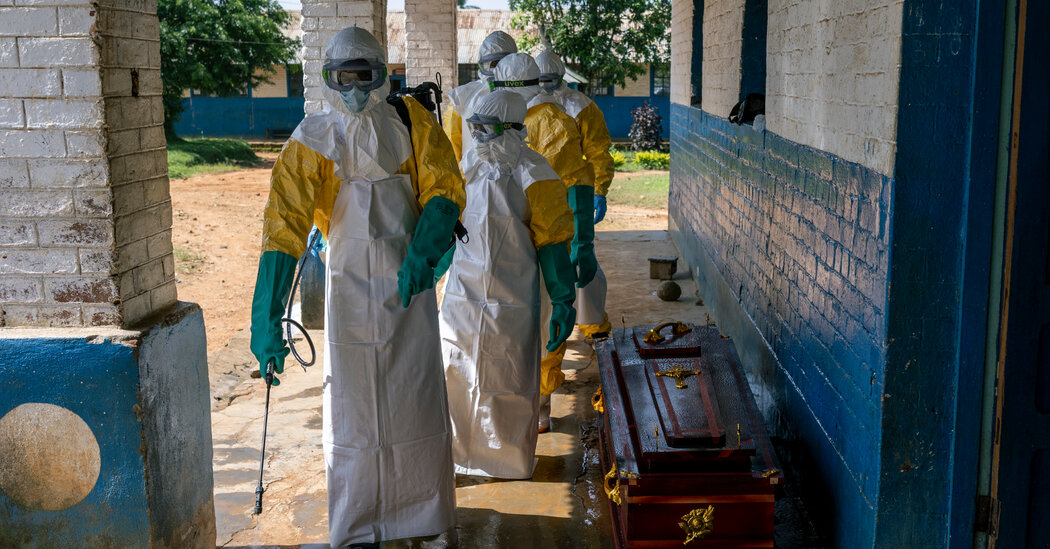
As Ebola spreads across the Democratic Republic of Congo and Uganda, scientists are racing to deploy vaccines and treatments—but the outbreak’s scale has exposed a critical gap: most experimental solutions remain untested, and the virus itself is a moving target.
On June 1, 2026, two major vaccine development organizations announced tens of millions in funding to accelerate research, while the World Health Organization (WHO) recommended testing monoclonal antibodies and other drugs as potential treatments. Yet the urgency is stark: Ebola virus disease (EVD) isn’t just one virus—it’s a family of six, each with different fatality rates and no universally approved cure. The current outbreak, driven by the Sudan virus (SUDV) and Bundibugyo virus (BDBV), has already killed hundreds, with case fatality rates ranging from 25% to 90% depending on the strain. “It’s going to take a long, committed response to bring this outbreak under control,” warns Richard Hatchett, chief executive of the Coalition for Epidemic Preparedness Innovations (CEPI), which is leading the vaccine push.
Why This Outbreak Is Different—and Why Vaccines Aren’t Enough
The 2026 Ebola crisis is unfolding against a backdrop of scientific progress—but also persistent gaps. While a vaccine for the Ebola virus (EBOV) has been licensed since 2019, no approved treatments exist for the Sudan virus (SUDV) or Bundibugyo virus (BDBV), the strains now driving the outbreak. The WHO’s emergency recommendations focus on monoclonal antibodies and experimental drugs, but these have never been tested at scale. “Early intensive supportive care with rehydration and symptom treatment improves survival,” the WHO states, but without targeted antivirals, the fatality rate remains dangerously high.
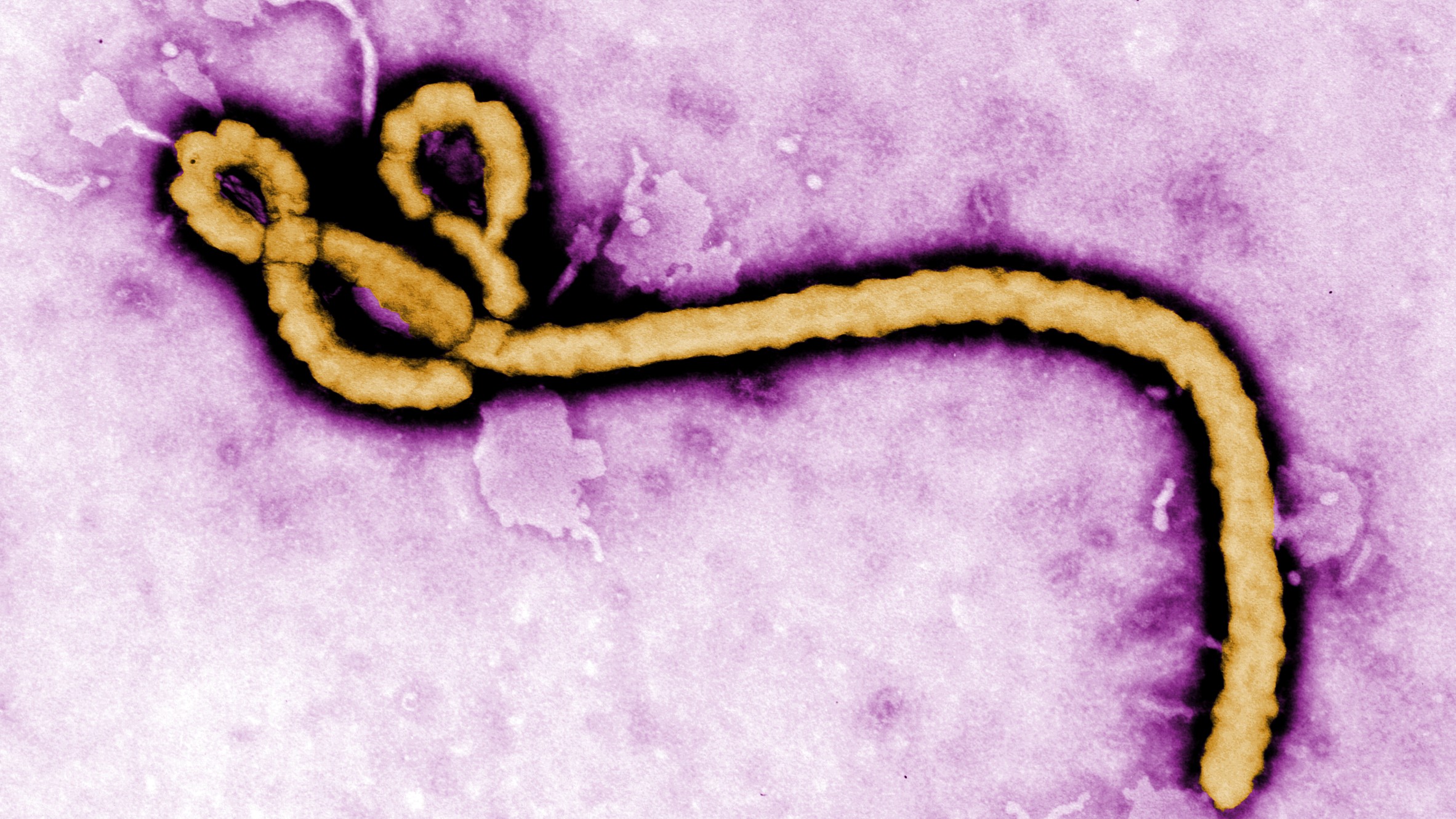
What makes this outbreak particularly challenging is the virus’s diversity. The CDC lists six orthoebolaviruses capable of infecting humans, each with distinct transmission patterns and lethality. EBOV, the strain most familiar to the public, kills 40–90% of infected patients. SUDV, now spreading in Uganda and the DRC, has a 50% fatality rate. BDBV, which emerged in 2007, is less deadly at 25–35%, but its geographic spread complicates containment. “The viruses are not all the same,” notes the WHO, emphasizing that “approved vaccines and therapeutics are only available for one of the viruses [EBOV].”
Adding to the complexity, the natural reservoirs of these viruses—fruit bats and non-human primates—remain widespread in Central and West Africa. Transmission occurs through direct contact with bodily fluids, including blood, vomit, and diarrhea, or through contaminated surfaces. Unlike airborne diseases, Ebola spreads only through close contact, yet the stigma and fear surrounding the virus often delay reporting, allowing outbreaks to grow undetected.
A Race Against Time: The Vaccine Development Pipeline
CEPI’s funding announcement on June 1 marks a critical step, but the timeline is daunting. Developing and testing a vaccine for SUDV or BDBV typically takes 12–18 months, even under ideal conditions. The current outbreak, however, is already months old, with cases confirmed in multiple provinces. “We’re not starting from scratch,” Hatchett told reporters, acknowledging that candidate vaccines for SUDV and BDBV exist but lack regulatory approval. The challenge now is scaling production and distribution before the virus spreads further.

The WHO’s strategy hinges on a multi-pronged approach: supportive care for patients, contact tracing, and—where possible—vaccination. For EBOV, the rVSV-ZEBOV vaccine has been used in previous outbreaks, but its efficacy against SUDV or BDBV is unproven. “We’re prioritizing monoclonal antibodies,” a WHO spokesperson said, referencing experimental treatments like mAb114 and REGN-EB3, which showed promise in earlier trials but require rigorous testing in the current strain.
One often-overlooked factor is the psychological toll on healthcare workers. In past outbreaks, providers in high-risk zones have faced burnout and infection due to shortages of personal protective equipment (PPE). The CDC warns that “healthcare providers and family members caring for someone with Ebola disease without proper infection control methods have the highest risk of infection.” This time, however, the stakes are higher: with no approved vaccine for SUDV or BDBV, even frontline workers are vulnerable.
What the Data Shows: Fatality Rates and Transmission Patterns
| Virus Strain | Case Fatality Rate (%) | First Documented Outbreak | Natural Reservoir |
|---|---|---|---|
| Ebola virus (EBOV) | 40–90% | 1976 (DRC) | Fruit bats, non-human primates |
| Sudan virus (SUDV) | 50% | 1976 (South Sudan) | Fruit bats |
| Bundibugyo virus (BDBV) | 25–35% | 2007 (Uganda) | Fruit bats |
| Bombali virus (BOMV) | Unknown (no human cases) | 2018 (Sierra Leone) | Little free-tailed bats |
The table above highlights the stark differences between Ebola strains. While EBOV remains the most lethal, SUDV’s 50% fatality rate—and its current spread across Uganda and the DRC—demands immediate attention. The WHO’s fact sheet confirms that “early intensive supportive care” can improve survival, but without targeted antivirals, the outlook remains grim. “Seeking early care can be lifesaving,” the organization emphasizes, yet in rural regions, access to treatment facilities is often limited.
Transmission patterns further complicate containment. Unlike airborne diseases, Ebola spreads through direct contact with bodily fluids, but the virus can persist on surfaces for days. This means even seemingly low-risk interactions—like handling contaminated clothing or visiting a sick relative—can lead to infection. The CDC’s guidelines stress that “a person is only contagious once they begin showing symptoms,” but the incubation period (2–21 days) creates a dangerous lag between exposure and detection.
The Human Cost: Symptoms, Stigma, and Long-Term Effects
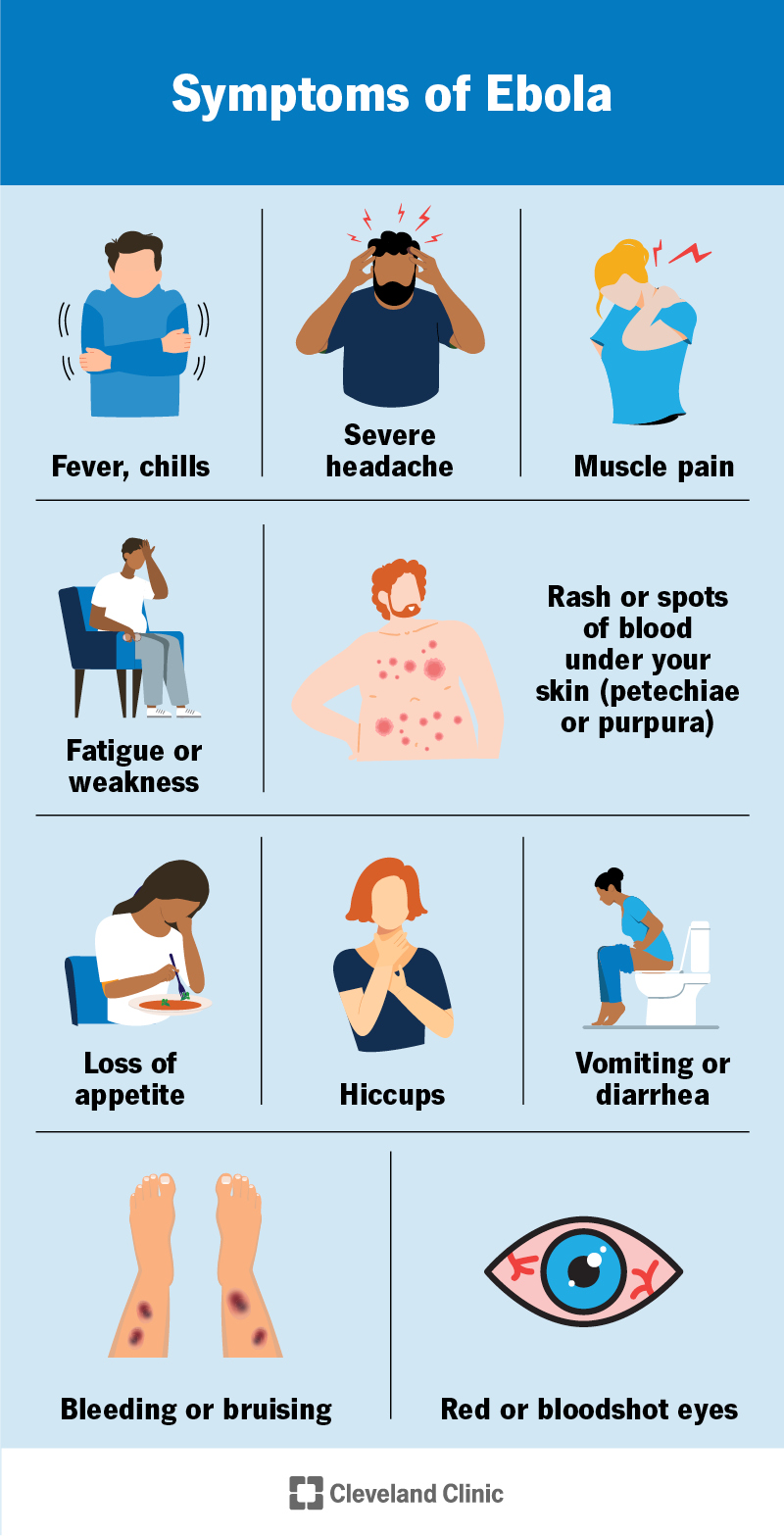
Ebola’s progression is often described in two phases: “dry” and “wet.” Early symptoms—fever, aches, fatigue—mimic the flu, leading to delayed diagnosis. As the disease advances, patients experience “wet” symptoms: diarrhea, vomiting, and internal bleeding. Cleveland Clinic’s medical team describes severe cases as including “black, tarry stool (melena),” “coffee-ground emesis,” and “shock” due to organ failure. “Later stages can be severe,” the clinic warns, with complications like encephalitis and seizures.
Beyond the immediate threat, Ebola leaves a lasting mark. Survivors often face long-term complications, including joint pain, vision problems, and neurological damage. The stigma surrounding the disease further isolates patients, discouraging early reporting. In past outbreaks, communities have hidden sick relatives to avoid quarantine, allowing the virus to spread undetected. “Social mobilization is critical,” the WHO states, but cultural barriers remain a hurdle.
“symptoms early in the course of illness. These symptoms may include fever, aches, pains, and fatigue. As the person becomes sicker, the illness typically progresses to diarrhea, vomiting, and unexplained bleeding.”
What Comes Next: The Road Ahead for Science and Policy
The next 30 days will be decisive. CEPI’s funding will accelerate vaccine trials, but regulatory approval—even in an emergency—could take months. Meanwhile, the WHO’s monoclonal antibody strategy faces logistical hurdles: transporting and administering experimental drugs in war-torn regions is no small feat. “We’re in a race against time,” Hatchett acknowledged, but the path forward is clear: scale up supportive care, deploy vaccines where possible, and ramp up surveillance to detect new cases early.
One wildcard is the role of animal reservoirs. Fruit bats, the likely hosts of Ebola viruses, are widespread in Central Africa. Without eliminating these reservoirs, outbreaks will likely recur. “The natural hosts of the Orthoebolavirus are fruit bats,” the WHO confirms, adding that “the virus can get into the human population when people have close contact with infected animals.” This means containment efforts must address both human and animal health—a challenge that requires cross-sector collaboration.
For now, the focus remains on containment. The WHO’s outbreak response plan includes:
- Intensive supportive care for patients (rehydration, symptom management)
- Infection prevention and control in healthcare settings
- Disease surveillance and contact tracing
- Safe burials to prevent further transmission
- Vaccination (where applicable) and social mobilization
The bottom line? This outbreak is a test of global preparedness. While vaccines and treatments are in development, the immediate priority is stopping the spread through proven methods: isolation, contact tracing, and community engagement. “It’s going to take a long, committed response,” Hatchett’s warning rings true. The question is whether the world will rise to the challenge—or if Ebola will once again outpace humanity’s best efforts.
Sources: New York Times, CDC, WHO, Cleveland Clinic, <a href="https://www.britannica.
<!– /wp:paragraph Health officials and scientists are racing to develop a cure, but the burden falls on public health infrastructure, which remains a critical challenge in conflict zones where the outbreak is concentrated.