
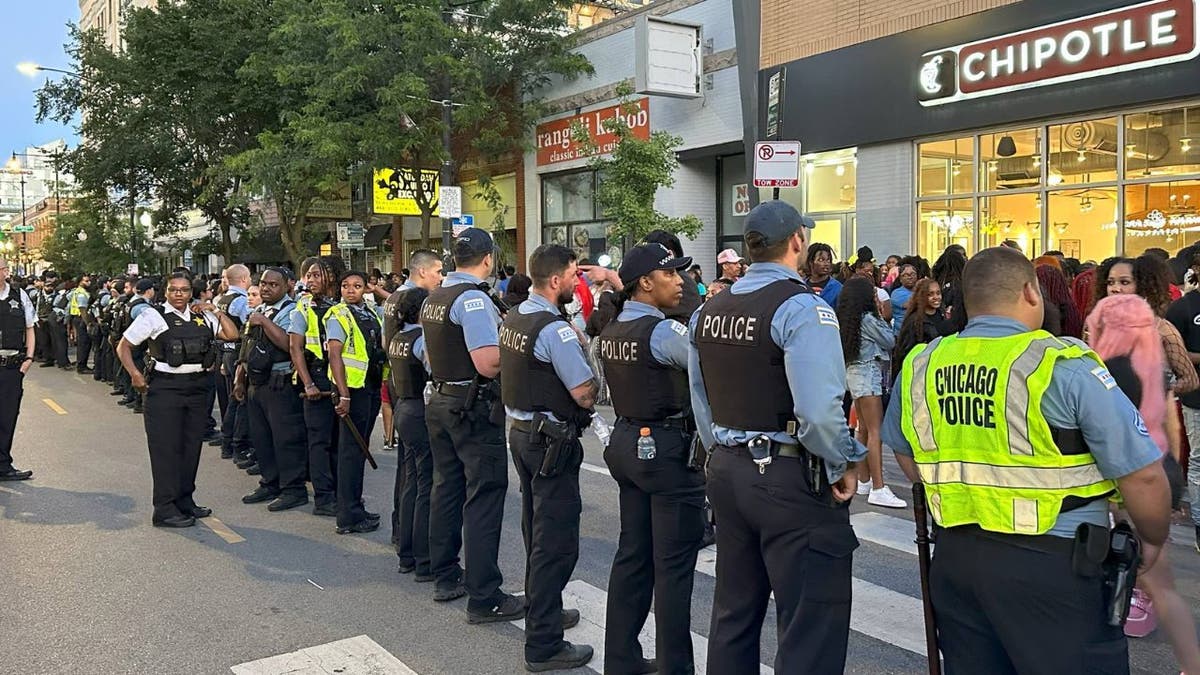
A Chicago police dispatcher’s order to “clear out” and ignore an ICE agent’s plea for help after a suspect ran the officer off the road has sparked national outrage, with former FBI officials calling the delay “a joke” and warning of deeper erosion in law enforcement trust. The incident, which unfolded this week in a high-profile “ICE-free zone” under Mayor Brandon Johnson, has drawn sharp criticism from federal agencies and raised questions about Chicago’s handling of federal law enforcement coordination.
What Happened: The Dispatch Call That Ignited Backlash
On an unspecified day this week, an ICE agent in Chicago called for police assistance after a suspect rammed the officer’s vehicle off the road. According to Fox Baltimore and WJLA, the dispatcher’s response was chilling: “We’re not going over there.” Officers only arrived an hour and ten minutes later—after protesters and demonstrators had already gathered at the scene.
The delay came as no surprise to Jody Weis, a retired FBI special agent in charge and former Chicago Police Department superintendent. In an interview with both outlets, Weis called the response “shocking” and questioned how local police could prioritize protesters over federal agents in distress.

“Law enforcement agents call for help, and the Chicago Police Department didn’t respond to that immediately. Now, to be fair, they did respond. One hour and ten minutes later.”
Weis’s criticism extended beyond the immediate incident. He labeled Mayor Johnson’s “ICE-free zones” policy—a move to restrict federal immigration enforcement in certain areas—a “joke,” arguing it undermines public safety. The Department of Homeland Security has already publicly rebuked Johnson for creating what officials describe as a “hostile environment” for federal agents.
Broader Fallout: Federal Trust and Chicago’s Reputation
The incident is the latest in a string of tensions between Chicago and federal law enforcement. Weis pointed to a separate controversy involving the FBI’s surveillance of eight Republican senators and one GOP congressman under President Biden—an operation dubbed “Arctic Frost.” Weis called the program “totally outrageous,” framing it as part of a broader pattern of “weaponizing” federal agencies under the current administration.
But the Chicago dispute cuts deeper. The city’s relationship with federal partners has frayed further after the FBI severed ties with left-wing groups like the Southern Poverty Law Center (SPLC) and the Anti-Defamation League (ADL). Weis noted these organizations, once critical to tracking extremism, have “lost their way” by focusing disproportionately on right-wing threats. The shift raises questions about whether Chicago’s law enforcement can effectively monitor both domestic and federal-level threats without reliable intelligence partners.
Meanwhile, the Chicago Police Department’s response to the ICE agent’s call has reignited debates about accountability. While the department has not publicly addressed the dispatcher’s instructions, the delay—coupled with the city’s “ICE-free zones” policy—has left federal agencies questioning whether Chicago remains a safe jurisdiction for officers.
A Separate Scandal: The “Arrest That Outraged a Nation”
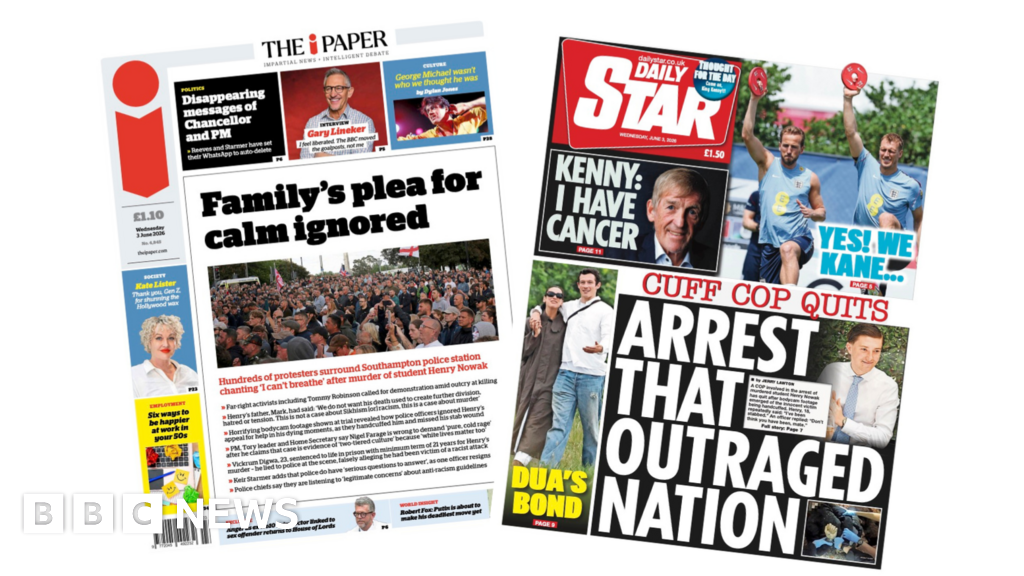
While the ICE incident dominates headlines, another story from the BBC reveals how bodycam footage can turn a routine arrest into a national scandal. In this case, a police officer quit after footage showed a handcuffed student—wrongly accused of a racist attack—repeatedly shouting, “I’ve been stabbed,” to officers. One replied: “Don’t think you have, mate.”
“I’ve been stabbed.”
The officer’s resignation and the student’s claims of assault have sparked demands for an independent review. The BBC’s framing—“Arrest that outraged nation”—suggests public trust in policing is at a breaking point, with both incidents exposing systemic failures in accountability, communication, and coordination.
What’s Next: Political and Legal Ramifications
The ICE agent’s case may force Chicago to reckon with its “ICE-free zones” policy, which critics argue emboldens criminals while alienating federal partners. Weis warned that if the city continues to prioritize political messaging over public safety, it risks becoming a “sanctuary for lawbreakers.” The Department of Homeland Security could escalate pressure by withholding grants or deploying additional agents to Chicago—a move that would further strain local resources.

Legally, the Chicago Police Department could face scrutiny over the dispatcher’s instructions. While no charges have been filed, the incident aligns with broader concerns about police misconduct and racial bias in emergency responses. The student’s case, meanwhile, may prompt calls for stricter bodycam policies and officer training on de-escalation.
Politically, the fallout could benefit Republicans, who have framed immigration enforcement as a law-and-order issue. Mayor Johnson’s handling of the ICE agent’s plea may become a liability in a city where federal funding and cooperation are increasingly contentious. For Democrats, the scandal risks reinforcing perceptions of urban governance as disconnected from national security priorities.
The Bigger Picture: Trust in Law Enforcement
Both incidents—one involving federal agents, the other a civilian—highlight a crisis of trust in law enforcement. The ICE agent’s ignored plea underscores how political directives can override basic safety protocols, while the student’s arrest reveals how easily force can escalate without oversight. Weis’s warnings about the “weaponization” of federal agencies add another layer: when political agendas dictate policing priorities, the public suffers.
The question now is whether Chicago—or any city—can balance progressive policies with the practical needs of federal law enforcement. The answer may hinge on whether Mayor Johnson is willing to revise his “ICE-free zones” approach or if federal agencies will take unilateral action to protect their officers. Either way, the damage to trust is already done.
For now, the nation watches to see if these failures will spark reform—or if they’ll be forgotten until the next crisis.
