
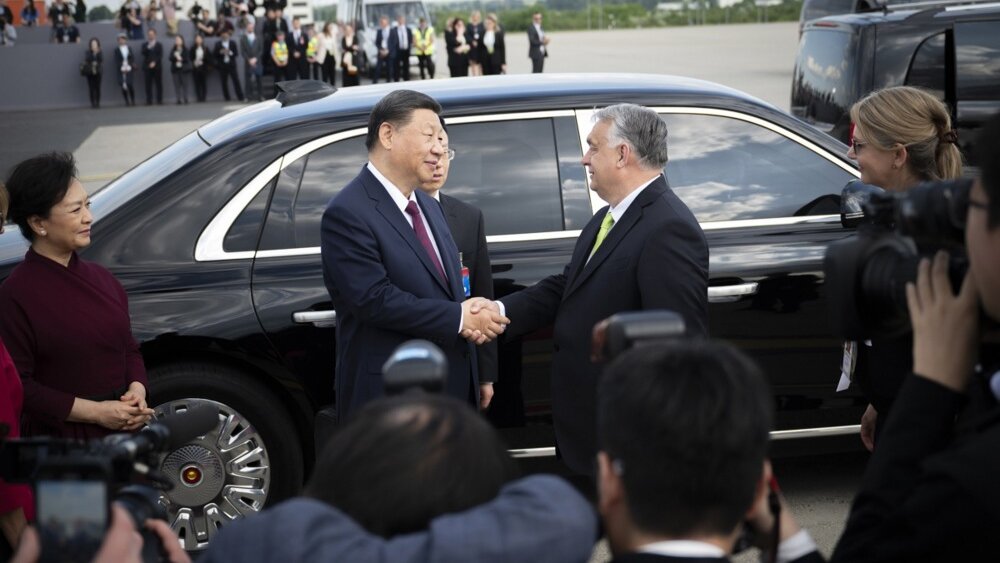
Hungary’s water crisis has reached a breaking point after 16 years of Viktor Orbán’s government granting preferential access to Chinese battery manufacturers—now forcing the new administration to choose between economic growth and survival for farmers and cities. With 90% of the country under severe drought conditions and agricultural losses already surpassing 550,000 hectares last year, the stakes couldn’t be higher as Peter Márki-Zay’s government faces pressure to rethink the $16 billion industrial push that drained critical water reserves.
How Hungary’s Water Crisis Became a Political Time Bomb
Hungary’s water emergency is the direct result of a deliberate policy under Orbán’s Fidesz government, which prioritized luring Chinese battery producers—critical for Europe’s electric vehicle supply chain—over domestic water security. According to David Kostelanetz, a former U.S. State Department counterterrorism official and longtime analyst at the Center for European Analysis, Orbán’s administration guaranteed massive water allocations to factories in Debrecen and other industrial zones, treating them as “untouchable” even as climate-driven droughts worsened. “The days of giving Chinese investors a free pass are over,” Kostelanetz wrote, framing the shift as a collision between short-term economic gains and long-term ecological collapse.
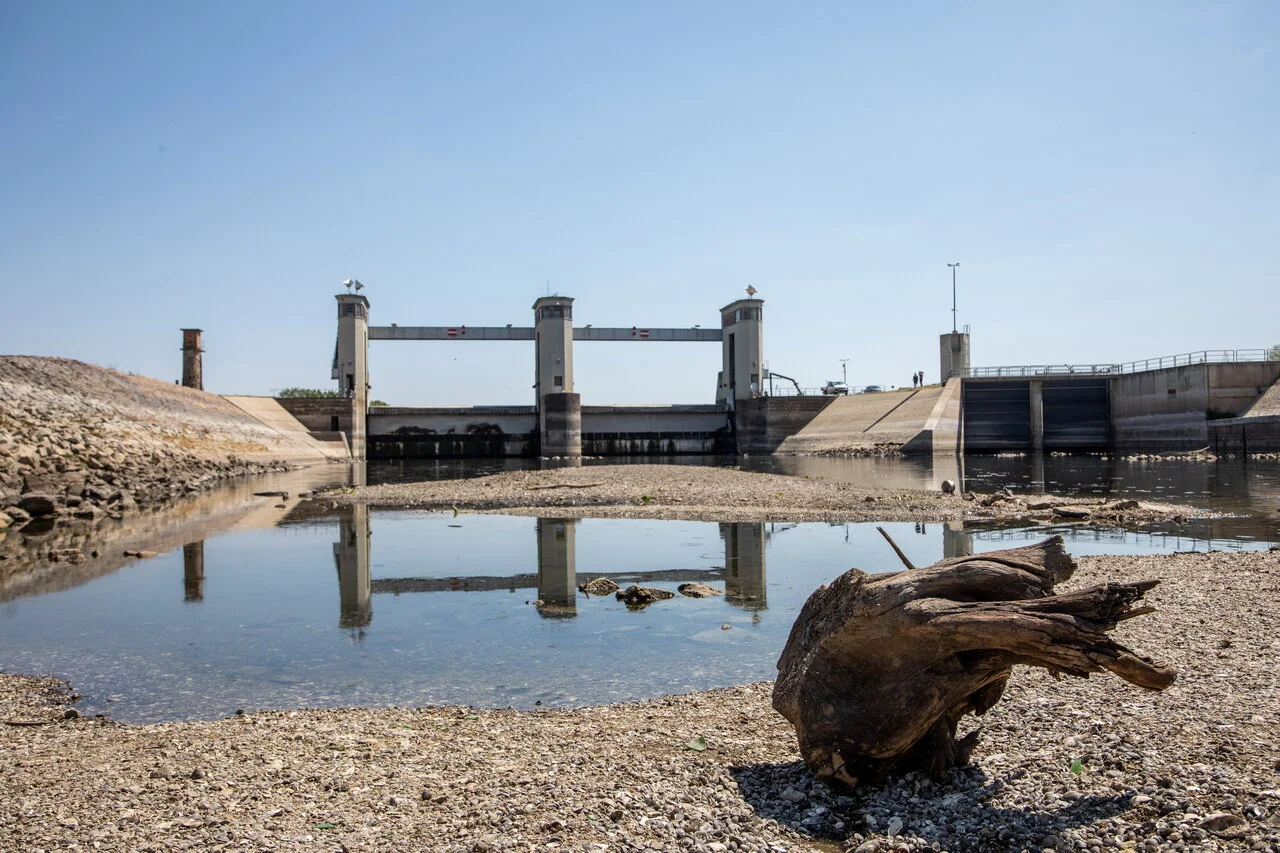
Now, with April’s election handing power to Peter Márki-Zay’s coalition, the new government must decide whether to honor the water commitments to Chinese firms or redirect supplies to agriculture—a sector already reeling from last year’s 550,000-hectare crop losses. The choice is stark: either maintain Hungary’s position as a European EV battery hub (backed by $16 billion in Chinese investment) or avert a humanitarian crisis in rural areas where 90% of the country is now classified as at risk of severe drought damage.
The Chinese Battery Gambit: A $16 Billion Bet on Water
The heart of the crisis lies in Hungary’s aggressive courting of Chinese battery manufacturers, who require staggering amounts of water for production. As reported by Danas.rs, Orbán’s government fast-tracked permits for factories in Debrecen and other regions, ensuring they had priority access to groundwater—even as local farmers struggled to irrigate crops. The trade-off became explicit during last year’s drought, when agricultural yields plummeted and the government was forced to ration water for households in some areas.
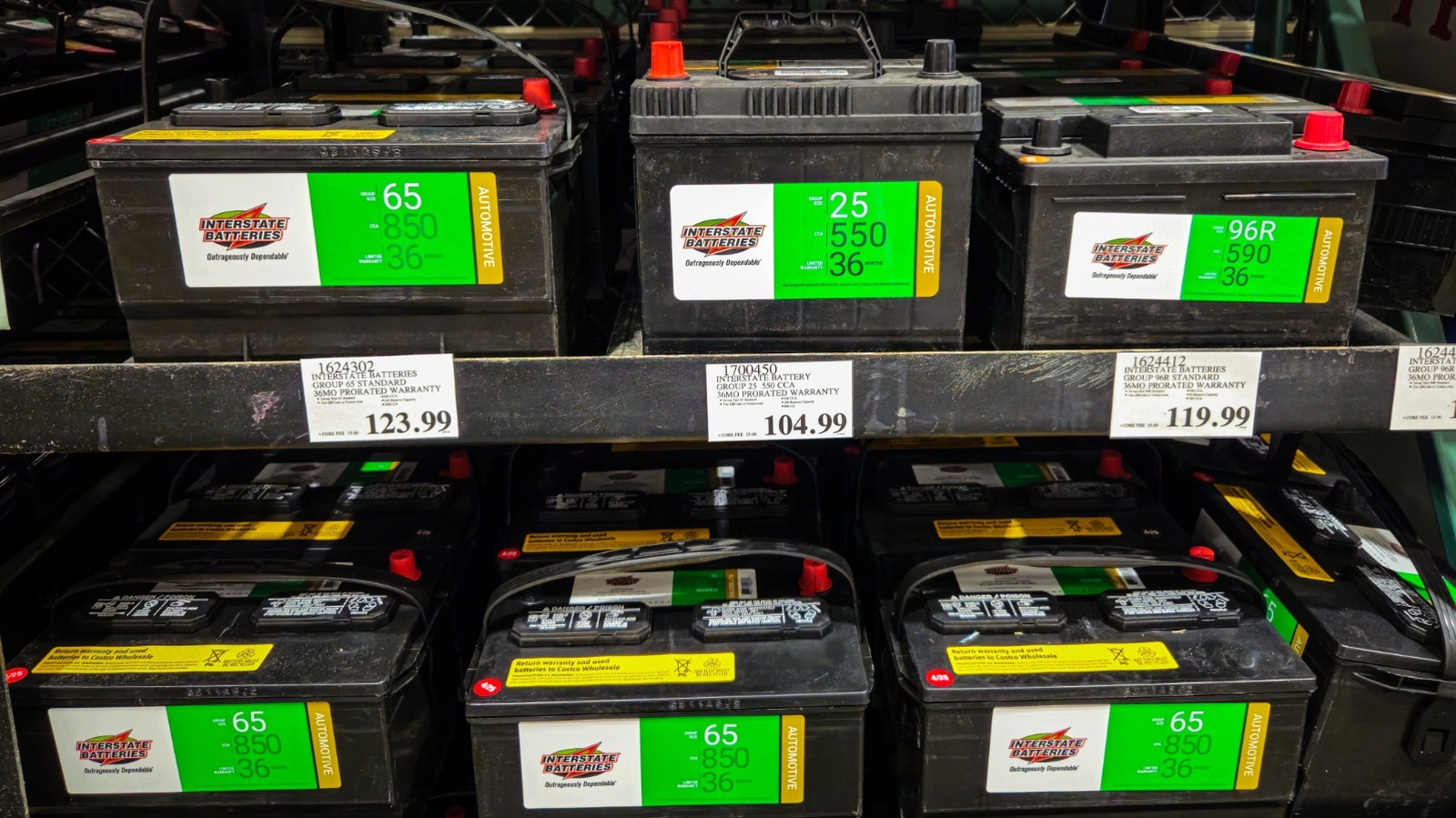
“Proizvodnja baterija je izuzetno vodno intenzivan proces,” Kostelanetz notes, translating to: “Battery production is an exceptionally water-intensive process.” Factories demand millions of cubic meters of fresh water daily for refining and cooling systems, directly competing with the needs of Hungary’s food-producing heartland. The irony? Orbán’s government positioned Hungary as the “EV battery capital of Europe,” but the cost is now measured in dried-up wells and abandoned fields.
While the Chinese investments—estimated at $16 billion—have positioned Hungary as a key player in Europe’s green transition, the environmental toll is undeniable. Climate models predict that Hungary’s drought conditions will only intensify, forcing the new administration to confront a fundamental question: Can Europe’s EV revolution be built on the backs of its own farmers?
What the Numbers Show: A Country Running Dry
- 90% of Hungary’s territory is now at risk of severe drought damage, according to Kostelanetz’s analysis.
- Last year’s drought destroyed 550,000 hectares of arable land—an area roughly the size of Luxembourg.
- April 2026 brought 20–70 mm below average rainfall in the past 90 days, exacerbating groundwater depletion.
- Chinese battery factories consume millions of cubic meters of water daily, directly competing with agricultural irrigation.
The data paints a grim picture. Hungary’s agriculture sector—already strained by last year’s losses—faces another catastrophic harvest if water isn’t redirected. Meanwhile, the Chinese firms, now facing pushback from the new government, are locked into contracts that assumed unlimited water access. The result? A standoff between economic ambition and ecological survival.
What Happens Next: The New Government’s Dilemma
Peter Márki-Zay’s coalition has signaled a sharp break from Orbán’s industrial-first approach, vowing to crack down on “dirty and intrusive” foreign investments. But reversing the water allocations to Chinese battery plants won’t be simple. The factories are already operational, and the EU’s green transition depends on their output. Any abrupt changes could trigger legal battles, investor pullbacks, or even retaliation from Beijing.
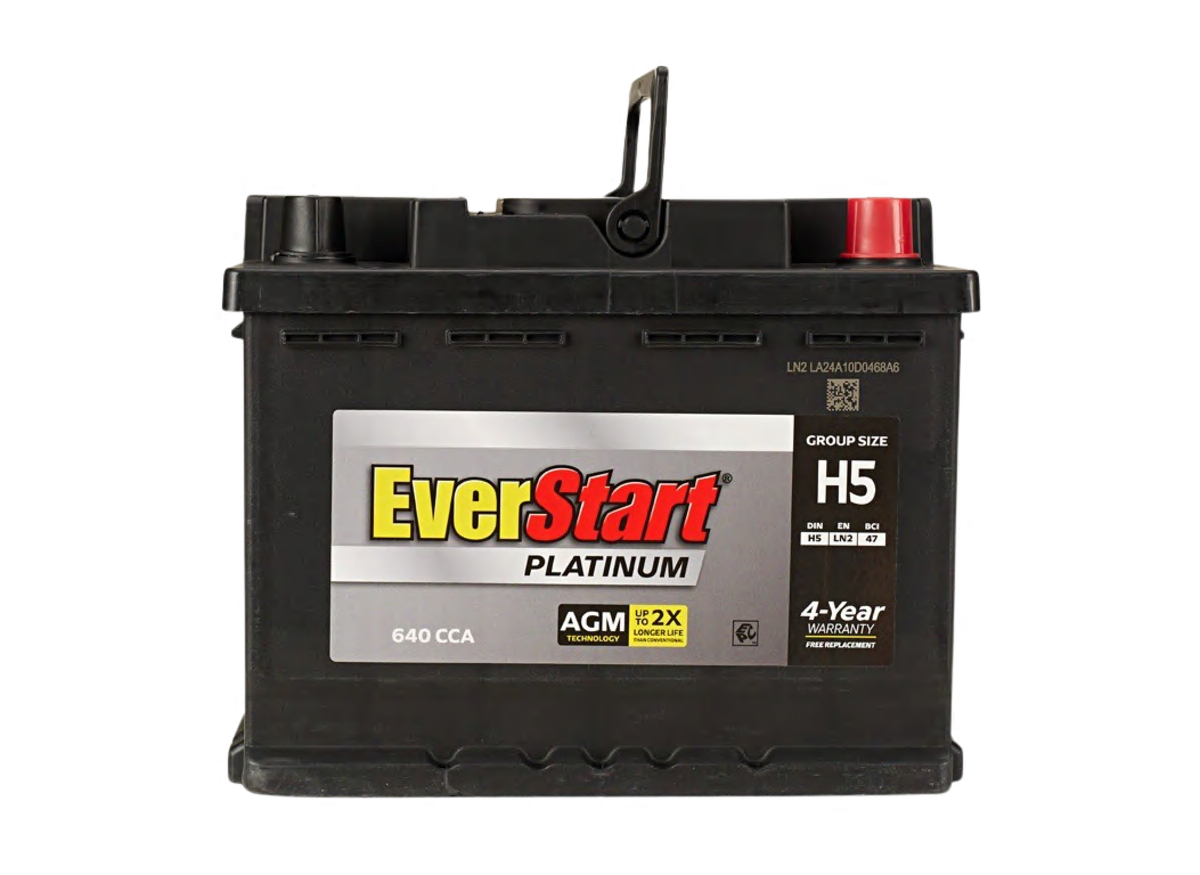
Kostelanetz warns that the new government must act quickly. “The window for negotiation is closing,” he writes. “If Márki-Zay’s administration doesn’t intervene soon, Hungary risks a full-blown water war between industry and agriculture—with no clear winner.” The stakes extend beyond Hungary’s borders: if Europe’s EV supply chain falters due to water shortages, the continent’s green energy goals could stall.
A Warning for Europe: Can Green Energy Be Sustainable?
Hungary’s crisis is a microcosm of a broader challenge: Can Europe’s push for electric vehicles and renewable energy coexist with its agricultural and water security needs? The answer isn’t just about Hungary—it’s about whether the continent’s industrial ambitions can be met without sacrificing its most vulnerable communities.
For now, Márki-Zay’s government is caught between a rock and a hard place. The Chinese battery investments are too entrenched to abandon, but the water crisis is too severe to ignore. The coming months will reveal whether Hungary can find a balance—or if its drought will become Europe’s first major water war.
One thing is certain: the days of “free pass” industrial policies are over. The question is whether Europe’s green revolution will learn from Hungary’s mistakes—or repeat them.
