
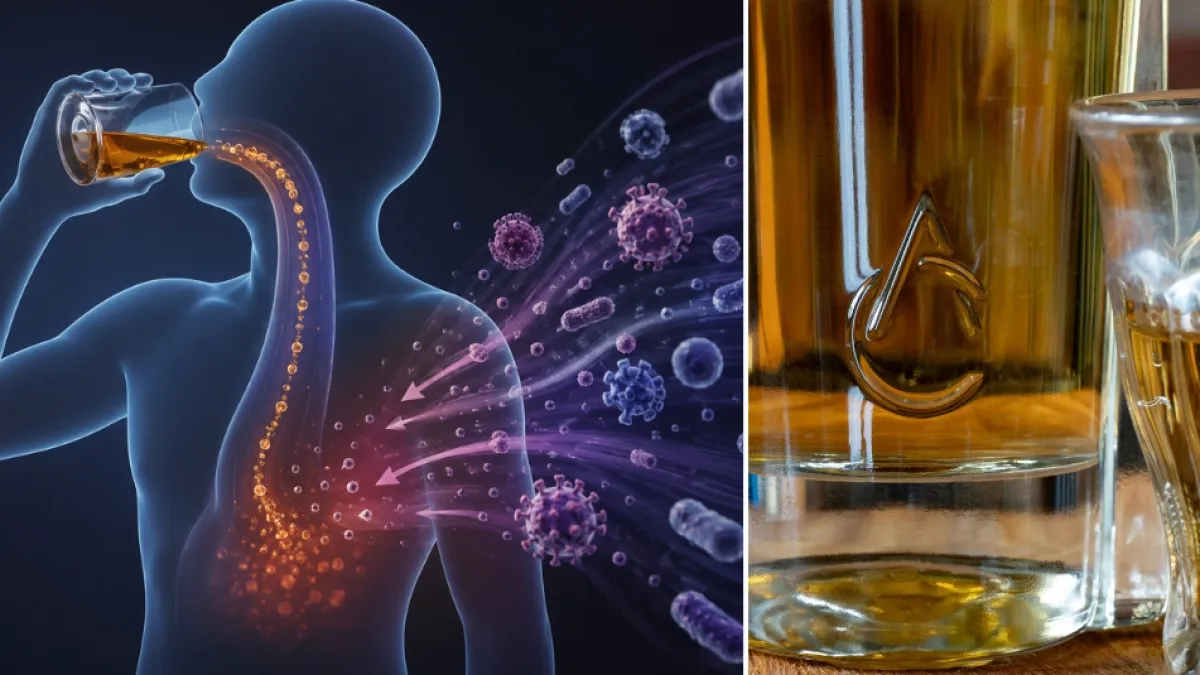
"New research published in Nature Health confirms that even low alcohol consumption significantly increases cancer and disease risks, with experts calling for stricter public health measures."
The study, conducted by the Institute for Health Metrics and Evaluation (IHME) at the University of Washington and published in Nature Health, analyzed 843 observational studies from 1961 to 2023, linking alcohol consumption to 20 health outcomes. It found that even minimal drinking elevates risks for cancers of the breast, colon, esophagus, larynx, liver, pancreas, prostate, stomach, and oral cavity, as well as liver disease, pancreatitis, and respiratory infections. The research, which reviewed data from PubMed, Embase, and CINAHL, concluded that "there is no safe level of alcohol consumption" for these conditions.
Study Methodology and Key Findings
The findings challenge long-standing debates about "moderate" drinking, as the study noted that while low alcohol intake slightly reduced risks for diabetes and certain cardiovascular diseases, these benefits vanished with higher consumption. For example, the analysis revealed a "J-shaped" relationship for diabetes and ischemic heart disease, where low to moderate drinking appeared protective, but risks surged at higher levels. However, the authors emphasized that "the apparent benefits at low doses do not outweigh the harms," particularly for cancer and liver disease.

Benefits vs. Risks of Low Alcohol Consumption
"El alcohol es intrínsecamente tóxico," stated Dr. Andrew Freeman, director of cardiovascular prevention at National Jewish Health, in an interview with Urgentebo. "Utilizamos el alcohol para desinfectar; lo usamos para eliminar organismos. Por lo tanto, la pregunta es: ¿existe alguna cantidad que resulte segura?" His comments aligned with the study’s conclusion that alcohol’s toxic effects are inherent, with no threshold for safety.
Specific Cancers and Evidence Ratings
The research also highlighted the disproportionate impact of alcohol on specific cancers. Pharyngeal cancer showed the strongest association, with even average consumption levels linked to a 105% increased risk. This finding earned the highest "five-star" evidence rating in the study’s methodology, underscoring its robustness. Other conditions with strong evidence included laryngeal cancer, cirrhosis, and pancreatic inflammation, with risk increases ranging from 22% to 49%.
For more on this story, see Cancer Prevention Claim Surrounds Unsubstantiated 50% Rate Linked to Two Habits.
Public Health Policy Implications
"Estas afecciones son 100% atribuibles al alcohol," said Jürgen Rehm, a senior scientist at the Institute for Mental Health Policy Research in Toronto, referencing the study’s findings. "Dichas enfermedades ni siquiera existirían en el mundo de no ser por el consumo de alcohol." Rehm, who has researched alcohol’s health impacts since 2003, added that alcohol contributes to 62 distinct conditions, including fetal alcohol syndrome, liver cirrhosis, and various cancers.
The study’s implications extend beyond individual health, raising questions about public health policy. Current alcohol guidelines vary widely by country, with some advocating for "safe" limits while others adopt stricter frameworks. The research adds fuel to calls for clearer labeling on alcoholic beverages, including warnings about cancer and liver disease risks. "The lack of consensus on what constitutes a ‘safe’ amount leaves room for confusion," the authors wrote. "This review underscores the need for unified, evidence-based messaging."
Critics argue that the study’s observational design limits causal conclusions, but the authors countered that the sheer scale of the analysis—spanning decades and multiple global datasets—provides "compelling evidence" of alcohol’s harms. The research also noted that even a single drink can impair immune function, reducing the body’s ability to fight infections for up to 20 minutes. Chronic consumption, meanwhile, can permanently damage immune cells, exacerbating vulnerability to diseases.
For individuals, the study reinforces the message that "abstaining from alcohol is the only option to eliminate risk," as emphasized in El Tiempo’s coverage. While some may find this stance extreme, the research suggests that the risks of even minimal drinking outweigh any potential benefits. "The evidence is clear: alcohol is a carcinogen," said one of the study’s lead researchers. "There is no dose that is entirely safe."
As the debate over alcohol policy intensifies, the study’s findings are likely to influence future guidelines, public awareness campaigns, and regulatory decisions. For now, the message is unambiguous: while alcohol remains deeply embedded in social and cultural practices, its health risks—especially for cancer and liver disease—demand urgent attention.
"El alcohol es intrínsecamente tóxico. Utilizamos el alcohol para desinfectar; lo usamos para eliminar organismos. Por lo tanto, la pregunta es: ¿existe alguna cantidad que resulte segura?"
Dr.
"Estas afecciones son 100% atribuibles al alcohol; esto significa que dichas enfermedades ni siquiera existirían en el mundo de no ser por el consumo de alcohol.
"Existen otras 30 enfermedades en las que el alcohol desempeña un papel, tales como el cáncer de mama y otros tipos de cáncer, las cardiopatías, los accidentes cerebrovasculares, la diabetes y la demencia.
"The study classifies this relationship with the highest evidence rating possible… No other disease reached that level.
"Even a single drink can impair immune function, reducing the body’s ability to fight infections for up to 20 minutes.
"The lack of consensus on what constitutes a ‘safe’ amount leaves room for confusion.
