

A recent study published in Nature found that sepsis linked to Clostridioides difficile infection carries mortality rates comparable to sepsis of other origins, according to a propensity score-matched analysis. The research, involving data from multiple clinical trials, highlights the urgent need for targeted interventions in managing this complex condition.
The Mortality Parity: Sepsis from C. difficile and Other Origins
The study, led by EJ Giamarellos-Bourboulis and colleagues, analyzed sepsis cases linked to Clostridioides difficile infection (CDI) and compared them with sepsis from non-CDI sources. The findings revealed that mortality rates were statistically similar between the two groups, challenging previous assumptions about the distinct severity of CDI-associated sepsis. This conclusion was drawn from a propensity score-matched analysis, which accounted for confounding variables such as age, comorbidities, and treatment protocols.
“The results underscore the importance of recognizing CDI as a critical driver of sepsis mortality,” said the study’s lead author. “Clinicians must treat these cases with the same urgency as other sepsis etiologies.” The research was conducted under ethical guidelines aligned with the Declaration of Helsinki, with approvals from multiple institutional review boards, including those overseeing the BEYOND trial (Nature).
Risk Factors and the Role of the SOFA Score
Another key study, published in the PubMed Central, focused on the Sequential Organ Failure Assessment (SOFA) score as a predictor of severe CDI. Researchers analyzed data from 5,337 adult patients across three South Korean hospitals, identifying 828 (15.5%) with severe CDI. The SOFA score emerged as a significant predictor, with patients scoring ≥4 showing a markedly higher risk of adverse outcomes.
The study also highlighted the role of antibiotic use, particularly fluoroquinolones, in associating with specific C. difficile ribotypes. “Our findings suggest that antibiotic stewardship is critical in preventing severe CDI,” the authors noted. Machine learning models identified variables like body temperature, platelet count, and respiratory rate as key indicators of disease severity, providing a framework for early intervention (PubMed Central).
Treatment Strategies and Recovery Challenges
The Cleveland Clinic emphasizes that sepsis is treatable with prompt intervention but warns of long-term complications. Treatment typically involves antibiotics, intravenous fluids, and vasopressors to maintain blood pressure. In severe cases, mechanical ventilation or dialysis may be required. However, survivors often face post-sepsis syndrome, characterized by physical and psychological symptoms such as extreme fatigue, anxiety, and cognitive impairment.
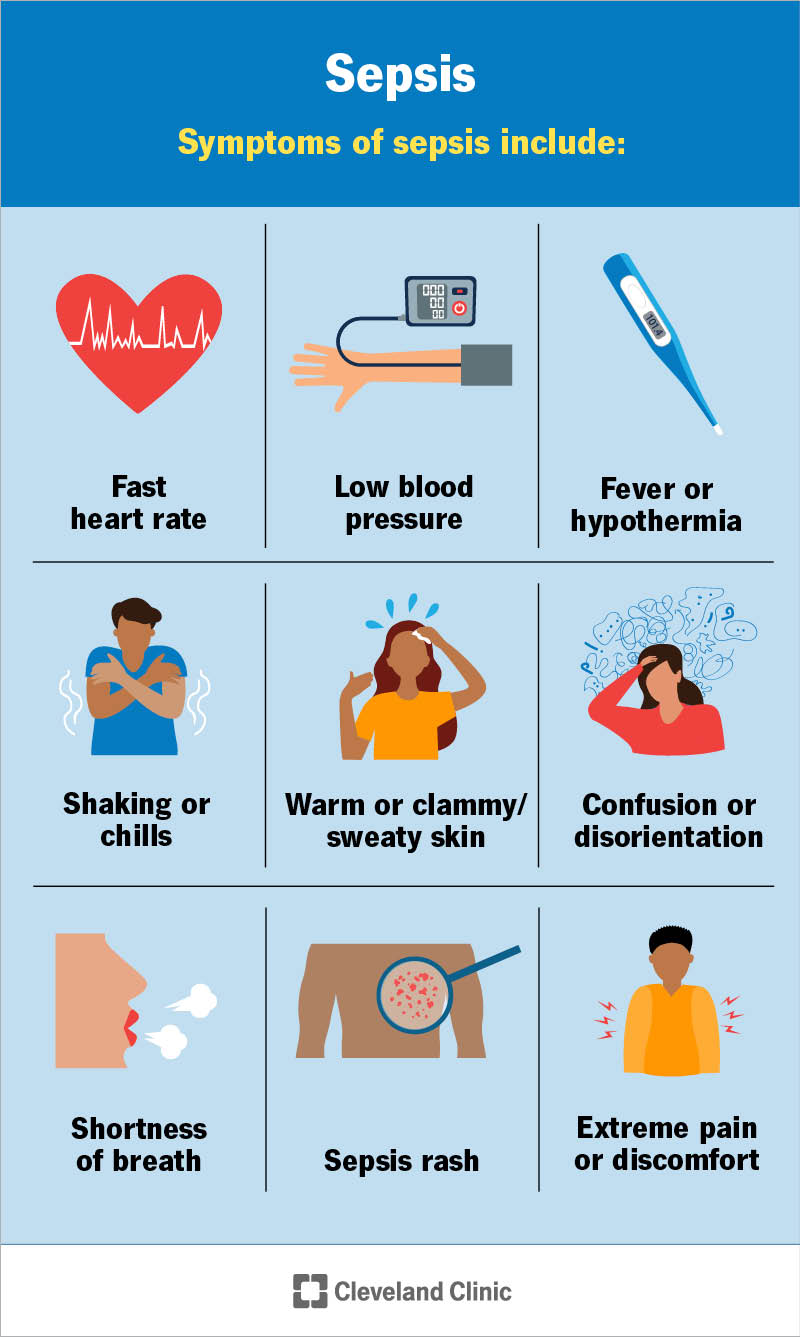
“Recovery is a marathon, not a sprint,” said the clinic’s medical team. “Patients need multidisciplinary care to address both physical and mental health challenges.” The clinic also stressed the importance of early recognition, noting that delayed treatment significantly increases mortality risk, with septic shock carrying a 30%–40% fatality rate (Cleveland Clinic).
Implications for Clinical Practice and Future Research
The convergence of these studies underscores the need for standardized protocols to identify and manage sepsis from diverse origins. The use of the SOFA score as a prognostic tool, alongside targeted antibiotic strategies, could improve outcomes for CDI patients. However, the Mayo Clinic warns that sepsis remains a leading cause of mortality worldwide, with its complexity demanding continuous research and innovation.
“We must bridge the gap between research and practice,” said the Mayo Clinic’s editorial team. “Early detection and personalized treatment plans are non-negotiable.” As the medical community grapples with rising sepsis rates, the findings from these studies offer a roadmap for reducing preventable deaths and improving patient recovery (Mayo Clinic).
