

Pneumonia remains a significant health challenge for the elderly and those with compromised immune systems, with the risk of mortality escalating when treatment is delayed. As a lung infection characterized by inflammation of the air sacs, the condition frequently results in respiratory distress, fever, and persistent coughing, requiring prompt medical intervention.
Understanding the Mechanics of Pneumonia
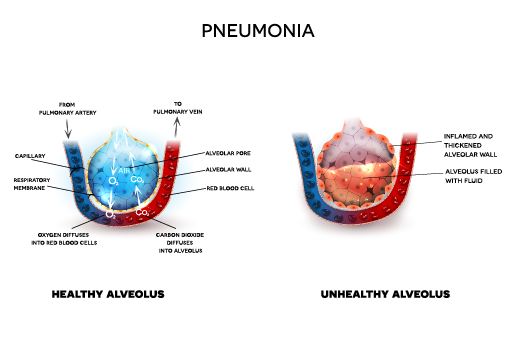
At its core, pneumonia acts as a severe disruption to the body’s respiratory engine. According to reporting from MediVoiceBD, the lungs function by extracting oxygen from the air and delivering it to the bloodstream while simultaneously removing carbon dioxide. When pneumonia occurs, the air sacs in one or both lungs become inflamed and may fill with fluid or pus, a condition described by Apollo Hospitals.

This physiological failure creates a critical deficit in the body’s oxygen supply. If the lungs cannot expel carbon dioxide or effectively intake oxygen, the patient faces a life-threatening situation. The severity of the outcome is often tied to the speed at which a patient seeks medical care; delays not only increase the financial burden of treatment but also significantly heighten the risk of mortality, particularly among older adults who may already be managing chronic health conditions. Clinical data indicates that the complexity of treating pneumonia is often compounded by comorbidities, such as diabetes or chronic obstructive pulmonary disease (COPD), which complicate the immune response to pathogens.
Transmission and Clinical Categorization
Pneumonia is not a single disease but a condition caused by various infectious agents, including bacteria, viruses, and fungi. Understanding how these pathogens spread is essential for prevention. Viral and bacterial forms of the illness are contagious, often transmitted through airborne droplets released when an infected person coughs or sneezes. Furthermore, surface contamination plays a role; touching an object exposed to these pathogens can facilitate transmission.
- Hospital-Acquired Pneumonia (HAP): This form is contracted during a hospital stay. Because the bacteria involved in HAP are often more resistant to standard medications, this category can be particularly dangerous.
- Community-Acquired Pneumonia (CAP): This refers to infections obtained outside of a medical or institutional setting.
Fungal pneumonia presents a different profile, as it is generally contracted from the environment rather than through human-to-human contact. Regardless of the type, common symptoms include fever, chills, difficulty breathing, and a cough that may produce phlegm or pus. Medical practitioners categorize these infections based on the setting of acquisition because the microbial profile—and therefore the antibiotic susceptibility—varies significantly between patients who are community-dwelling versus those who have had recent exposure to clinical environments.
Diagnostic and Treatment Protocols
The diagnostic pathway for pneumonia typically involves a physical examination followed by imaging. Clinicians utilize chest X-rays to visualize the extent of the inflammation and to distinguish between lobar pneumonia, which affects a specific section of the lung, and bronchial pneumonia, which is more diffuse. Laboratory analysis of sputum samples or blood cultures is frequently employed to identify the specific pathogen, allowing for targeted antimicrobial therapy. For patients exhibiting severe respiratory distress, arterial blood gas tests may be conducted to measure oxygen and carbon dioxide levels directly. Treatment regimens are highly individualized based on the patient’s age, the severity of the infection, and whether the patient requires inpatient supportive care, such as supplemental oxygen or intravenous antibiotics.
Managing Digital Security for Protected Files
In a separate context regarding information management, users may encounter files with a .ppdf extension. As noted by Baidu Zhidao, these are not related to medical documentation but are instead protected files generated by Microsoft’s Azure Information Protection. Accessing these files requires specific authorization and, in some cases, the installation of Microsoft rights management software. If a user receives such a file, the system may prompt for a username and password to verify viewing permissions before the content can be opened.
Prioritizing Care for Vulnerable Populations
The clinical consensus emphasizes that early detection is the most effective tool in reducing the risks associated with pneumonia. Because the condition disproportionately affects those with weakened immune systems, proactive monitoring of respiratory health in the elderly is vital. Preventive strategies, including vaccination against common bacterial pathogens and influenza, are frequently recommended by health agencies to reduce the incidence of secondary pneumonia. Patients are encouraged to maintain a regular schedule of check-ups to monitor underlying conditions that might lower their natural resistance to lung infections.
If you or someone in your care exhibits symptoms such as persistent coughing, fever, or shortness of breath, it is imperative to consult your healthcare provider immediately to determine the underlying cause and begin appropriate treatment. Do not attempt to self-diagnose or delay professional evaluation, as the progression from mild symptoms to severe respiratory failure can occur rapidly in vulnerable populations.
