

Real Madrid forward Vinícius Júnior, known as Vini Jr., is the face of a new Apple campaign featuring his signature goal celebrations. The marketing initiative, which launched this month, highlights the Brazilian athlete’s influence in sports culture and aligns his personal brand with Apple’s global push into premium sports-related content and hardware integration.
Vini Jr. and Apple’s Strategic Sports Alignment
Apple’s decision to feature Vini Jr. in its latest promotional materials marks a significant expansion of its athlete-focused marketing strategy. By centering the campaign on the player’s recognizable “dance” celebrations, Apple aims to bridge the gap between elite athletic performance and consumer lifestyle technology. This tactical choice targets the intersection of high-energy sports entertainment and the mobile-first habits of global football fans.
This partnership follows a broader trend of technology companies securing exclusive access to high-profile soccer stars to drive engagement within the Apple TV+ ecosystem, specifically through its Major League Soccer (MLS) and international sports coverage. According to recent reports, the campaign focuses on the intersection of individual expression and the technical capabilities of Apple devices, emphasizing how fans consume highlights and social media content surrounding the sport. By leveraging the visual flair of Vini Jr., Apple is positioning its ecosystem not just as a hardware manufacturer, but as a central hub for the digital consumption of professional sports.
Impact on Global Sports Marketing
The collaboration underscores the shift toward individual athlete branding as a primary driver for tech adoption. While traditional sponsorships have historically focused on team kits or stadium naming rights, Apple is prioritizing the digital persona of players like Vini Jr. This strategy recognizes that in the modern era, the “brand” of a superstar athlete often transcends the club they play for, creating a more portable and influential marketing vehicle.
Industry analysts note that this approach mirrors Apple’s strategy with other high-profile figures, such as Lionel Messi. The addition of Messi to the MLS ecosystem via his move to Inter Miami served as a catalyst for Apple’s “MLS Season Pass” subscription service, demonstrating how a singular, globally recognized athlete can drive platform-wide adoption. By focusing on the player’s specific on-field personality, the company creates a direct connection with younger demographics who prioritize social media-friendly moments over traditional broadcast advertising. The use of short-form, high-impact clips of Vini Jr.’s celebrations allows Apple to capture the virality inherent in today’s sports culture, effectively turning the athlete into a living advertisement for the capabilities of the iPhone and iPad.
Technical Integration and Future Prospects
Beyond the visual marketing, the campaign highlights the role of high-speed capture and device performance in modern sports consumption. Apple has increasingly marketed the camera and processing capabilities of its hardware as essential tools for creators and fans who document live events. The campaign is expected to influence Apple’s upcoming product showcases, particularly as the company continues to integrate sports statistics and live-stream features into its operating systems.
As of June 2026, there has been no official confirmation regarding a long-term contract or a signature product line, but market observers expect the relationship to expand as Apple continues to bid for international broadcasting rights. The company has demonstrated a consistent interest in securing high-value sports media rights, which often require complementary hardware and software features to maintain a competitive edge. These features include real-time data overlays, multi-view streaming, and high-fidelity video playback, all of which benefit from the proprietary silicon found in Apple’s latest devices.
Market Context and Competitive Positioning
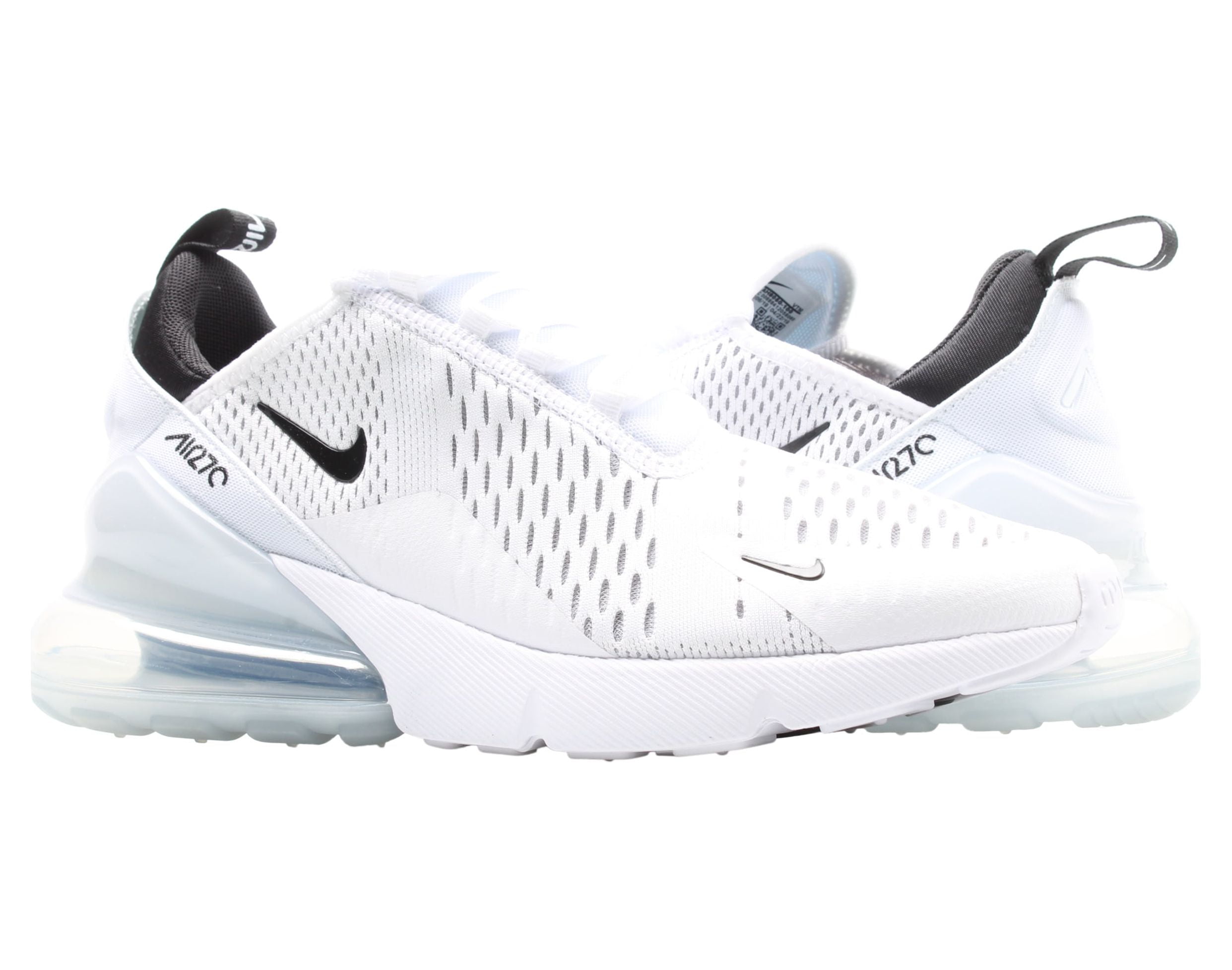
The move places Apple in direct competition with traditional sports apparel giants and other tech firms that have long dominated the athlete endorsement space. While companies like Nike have held long-standing agreements with Vini Jr., Apple’s focus on the “digital experience” of his career provides a distinct point of differentiation. Nike’s focus remains on performance apparel and footwear, whereas Apple’s focus is on the capture, editing, and distribution of the athlete’s highlights.
According to industry data, the valuation of personal brands for soccer players has reached new highs in 2026, driven by the rise of short-form video platforms where players’ celebrations are frequently shared. For Apple, the goal is to position its ecosystem as the primary environment where these moments are viewed, edited, and shared, effectively capturing the attention of the global soccer audience. This strategy is essential for Apple as it attempts to maintain its relevance among Gen Z and Alpha demographics, who are more likely to engage with sports through curated social media feeds than through traditional 90-minute broadcasts.
Future updates to the partnership will likely depend on the performance of these promotional materials in key markets, including Brazil, Spain, and the United States. Brazil represents a massive, highly engaged fan base that is crucial for global reach, while Spain remains the epicenter of the European club football scene. For now, the campaign serves as a test case for how effectively a tech firm can leverage a single athlete’s brand to penetrate the traditional sports media market. By aligning its hardware with the excitement of Vini Jr.’s on-field performance, Apple is attempting to secure a permanent place in the daily digital lives of the world’s most dedicated sports fans.
Find more reporting in our Tech section.
