

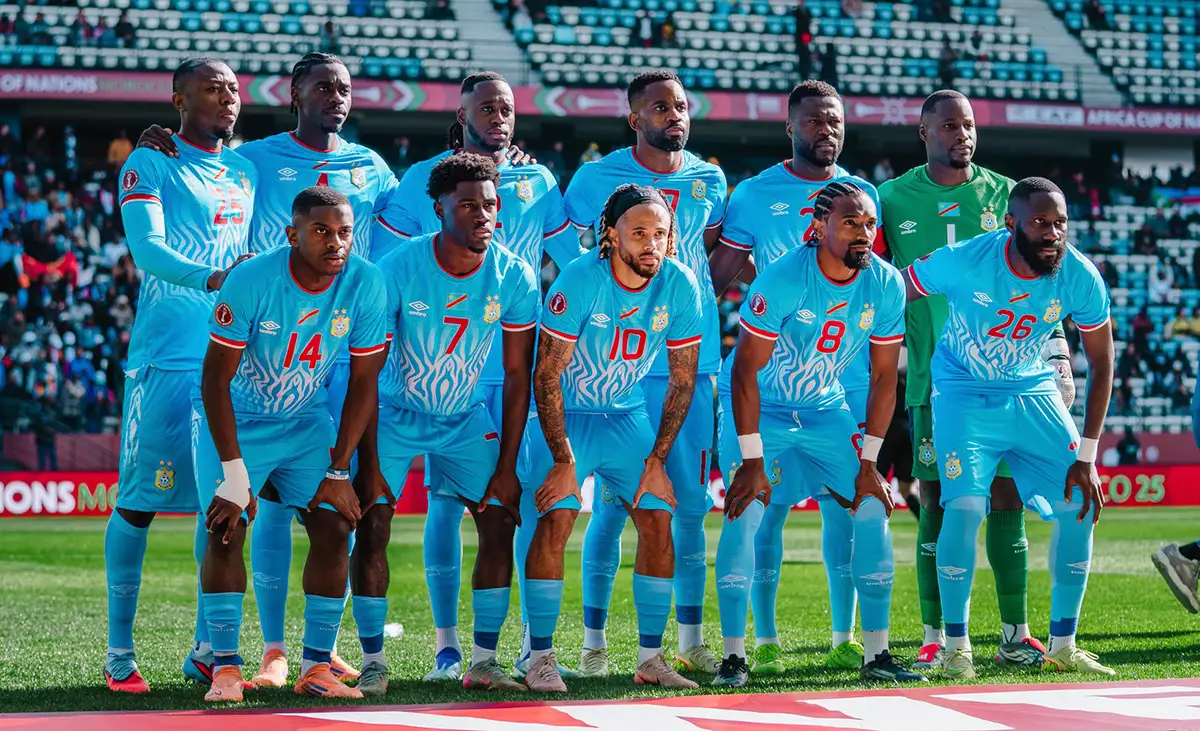
The Democratic Republic of the Congo (DRC) national football team arrived in the U.S. for the 2026 World Cup amid Ebola-related travel restrictions, with their leopard-print kits sparking global attention before a single match was played. The squad, making its first appearance in 52 years, faced delays due to a 21-day quarantine imposed after a local Ebola outbreak, but officials confirmed they cleared U.S. immigration without issues. Their arrival in Houston, Texas, on June 13, 2026, marked a pivotal moment for the team, which will face Portugal, Colombia, and Uzbekistan in Group A.
Ebola Restrictions and Travel Challenges
The DRC’s journey to the 2026 World Cup was complicated by a recent Ebola outbreak, which prompted the U.S. to enforce a 21-day quarantine for travelers from affected regions. According to Soviet Sport, the team avoided the quarantine after demonstrating they had prepared for the tournament in Europe. This resolution allowed them to arrive in Houston, where they will play their opening match against Portugal on June 17. The team’s 52-year absence from the World Cup highlights the challenges of qualifying for major tournaments, despite a roster featuring players from the English Premier League, such as Aaron Wan-Bissaka and Axel Tuanzebe.

Leopard-Print Kits and Global Reaction
The DRC’s arrival was immediately defined by their striking leopard-print kits, which became a social media sensation. Designed by designer Elvin Mak, the uniforms featured leopardskin patterns on jackets, with accessories like leopard-print bags and brooches. Sportbox noted the designs echoed Mak’s work for the 2025 Africa Cup of Nations, where the kits also generated buzz. The team’s appearance at Houston’s airport drew praise for its “perfection,” with one observer calling it “a masterpiece of detail.” Uzbekistan News reported that players’ bold fashion choices were seen as a strategic move to intimidate rivals, though some described the accessories as “strangely outlandish.”
Upcoming Matches and Group Dynamics
The DRC’s group stage schedule includes high-stakes encounters against Portugal, Colombia, and Uzbekistan. Their opener against Portugal, a team with a rich World Cup history, will test their readiness. Vietnam.vn highlighted the symbolic significance of the leopard motif, linking it to national pride and the team’s “strength, agility, and warrior spirit.” Analysts suggest the DRC’s unique identity could resonate with fans, but their success will depend on overcoming logistical hurdles and adapting to the tournament’s intensity. The team’s journey also underscores broader challenges facing African nations in global football, from health crises to infrastructure gaps.
What Comes Next?
The DRC’s presence at the 2026 World Cup has already shifted focus from the pitch to the cultural and logistical narratives surrounding the team. As they prepare for their first match, the world watches to see if their bold fashion choices and resilience will translate into on-field success. The team’s story—marked by Ebola-related delays, a star-studded roster, and a distinctive visual identity—offers a lens into the complexities of international football. With their group stage matches set to begin, the DRC’s performance could redefine expectations for African teams in major tournaments.
Find more reporting in our News section.
