

As temperatures rise this June, researchers from the National Institute for Environmental Studies in Japan have identified that clothing color significantly dictates heat absorption, with white, yellow, and gray fabrics providing the most relief. This scientific approach to wardrobe selection offers a practical alternative to heavy, heat-trapping materials during extreme summer weather.
The Science of Heat Absorption in Textiles
A research team led by Toshiyaki Ichinose recently conducted a series of controlled experiments to determine how different apparel colors influence body temperature in direct sunlight. By placing nine mannequins dressed in polo shirts of various colors—including white, black, red, yellow, blue, and shades of green—under intense solar radiation, the team measured thermal outcomes via thermal cameras.
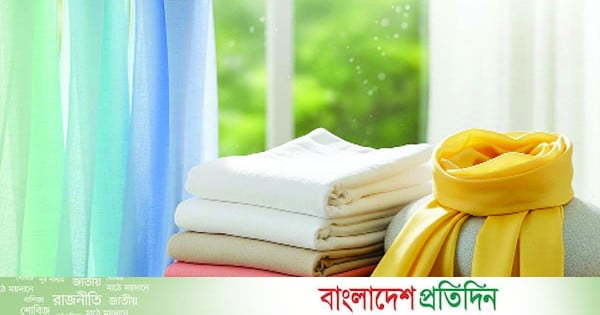
The findings, as reported by Rising Cumilla, demonstrate that white clothing acts like a mirror, reflecting the majority of solar heat. Conversely, black garments absorb and retain the highest levels of thermal energy, leading to significantly higher surface temperatures. While blue was also found to be a poor choice for heat mitigation, the study revealed a surprise: red clothing absorbs less heat than traditionally expected, making it a viable option for summer wear alongside yellow and gray.

The physics underlying these results relies on the concept of albedo, or the measure of the diffuse reflection of solar radiation out of the total solar radiation received by a body. In the context of textile science, materials with high albedo—typically lighter, brighter colors—reflect a larger portion of the electromagnetic spectrum, including the infrared radiation responsible for heat transfer. Black or dark-colored dyes absorb a broader range of wavelengths, converting that light energy into thermal energy that is then transferred to the wearer’s skin.
Selecting Fabrics for Breathability and Sustainability
Beyond color, the material composition of clothing plays a vital role in maintaining comfort during humid monsoon or extreme heat conditions. Experts suggest moving away from synthetic fibers or heavy silks, which can trap moisture and heat against the skin. According to Sangbad Pratidin, opting for cotton, linen, or bamboo-blend fabrics facilitates better airflow, allowing sweat to evaporate more efficiently.

The moisture-wicking capability of natural fibers is essential in high-humidity climates, where sweat evaporation is the primary mechanism for human thermoregulation. When ambient humidity is high, the rate of evaporation from the skin’s surface slows significantly; therefore, the choice of fabric becomes a critical factor in preventing heat exhaustion. Cotton and linen, characterized by their cellular structure, allow for greater porosity, which assists in the convective cooling of the body.
The current trend toward “relaxed fits”—such as oversized shirts and loose trousers—also serves a functional purpose. These styles prevent the fabric from clinging to the body, reducing the physical discomfort that often accompanies tight-fitting clothing in high-temperature environments. Sustainable fashion advocates emphasize investing in durable pieces that maintain their integrity after repeated laundering, rather than chasing seasonal trends that offer little utility.
Social Pressures vs. Physical Comfort
Despite the biological benefits of wearing light, breathable clothing, many individuals feel a social pressure to prioritize aesthetic trends over physical well-being. Jagonews24.com reports that the influence of social media platforms, where curated and often filtered images of “perfect” outfits dominate, can lead people to choose heavier, less appropriate clothing to avoid appearing overly simple or unfashionable.
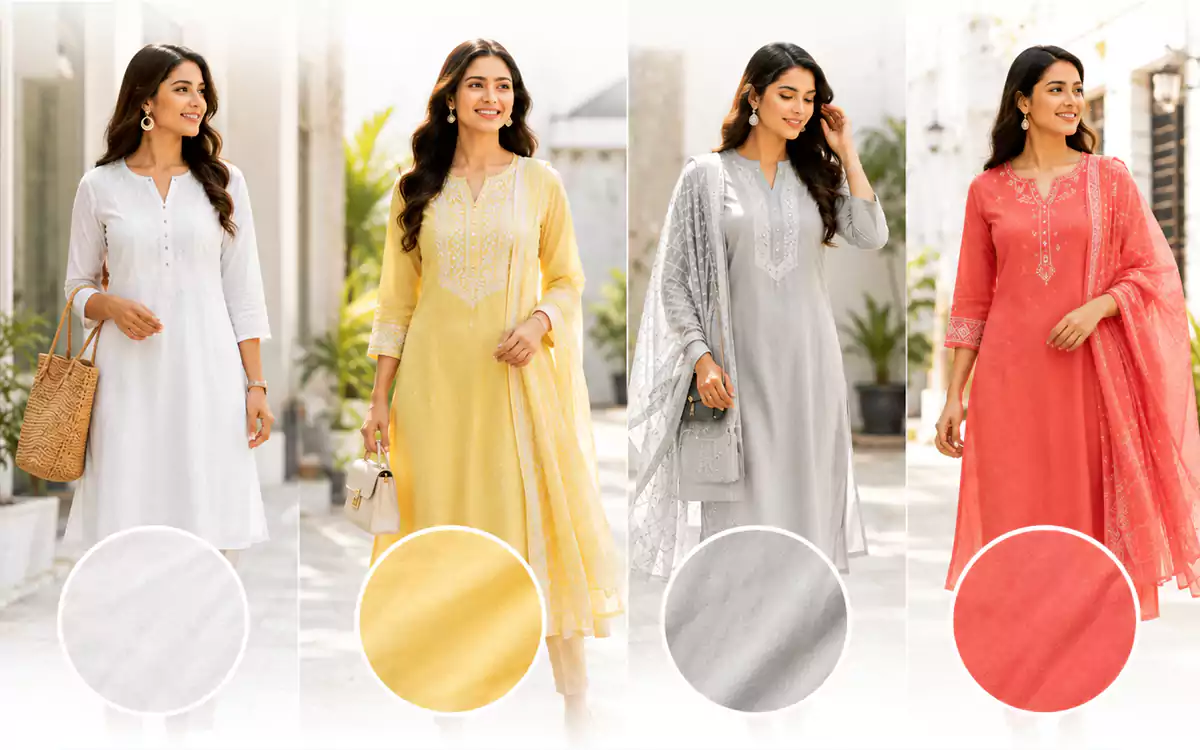
This “invisible pressure” often results in people enduring unnecessary fatigue and skin irritation. Health experts maintain that prioritizing natural fibers like linen is not just a style choice but a health-conscious decision that minimizes dermatological issues caused by prolonged exposure to heat and trapped sweat. As temperatures continue to fluctuate, the consensus among researchers, such as those cited by RTV Bangladesh, remains that color and fabric choice are the most accessible tools for personal climate control.
The tension between personal health and public presentation has been exacerbated by the rapid dissemination of fashion trends via digital media. In many urban environments, the “office-appropriate” dress code often mandates layers or dark colors, which may contradict the physical requirements for surviving extreme heat waves. Public health agencies in various regions have periodically issued guidelines during heat emergencies, suggesting that the public prioritize comfort and hydration over strict adherence to formal dress codes when temperatures exceed specific thresholds.
Summary of Thermal Performance by Color
When planning a wardrobe for extreme heat, the following thermal characteristics—as observed in the bd-pratidin.
- Best Thermal Performance: White, followed by yellow and gray.
- Surprising Utility: Red, which performs better than its reputation as a “warm” color suggests.
- Poor Thermal Performance: Black and blue, which absorb and retain significant solar heat.
The practical application of these findings suggests that consumers can mitigate the effects of global temperature increases through simple, low-cost modifications to their daily habits. By understanding the interaction between solar radiation and textile properties, individuals can create a localized defense against heat, effectively reducing the risk of heat-related illness during periods of prolonged environmental stress.
Find more reporting in our World section.
