

Recent scientific findings suggest a critical link between sleep quality and cognitive health in older adults, highlighting how a lack of deep sleep may significantly increase the risk of developing dementia. This connection underscores the vital role that restorative rest plays in maintaining long-term brain health.
The Connection Between Deep Sleep and Dementia Risk
Research indicates that a deficiency in deep sleep among older adults is associated with a higher likelihood of dementia. This discovery points to a specific cerebral mechanism that could potentially be used to anticipate the onset of Alzheimer’s disease, emphasizing the importance of monitoring sleep patterns as a preventative health measure.
experts have identified a “digital brain marker” during sleep that correlates with an increased risk of dementia. This development could allow healthcare providers to identify at-risk individuals earlier, potentially guiding more effective intervention strategies for cognitive decline.
The Impact of Sleep Aids on Brain Health
Whereas many struggle with insomnia, the tools used to treat it may have unintended consequences. According to reports from elDiario.es, certain sleeping pills may interfere with the brain’s natural “cleaning” process. This disruption of the brain’s waste-clearance system could potentially elevate the risk of Alzheimer’s disease.
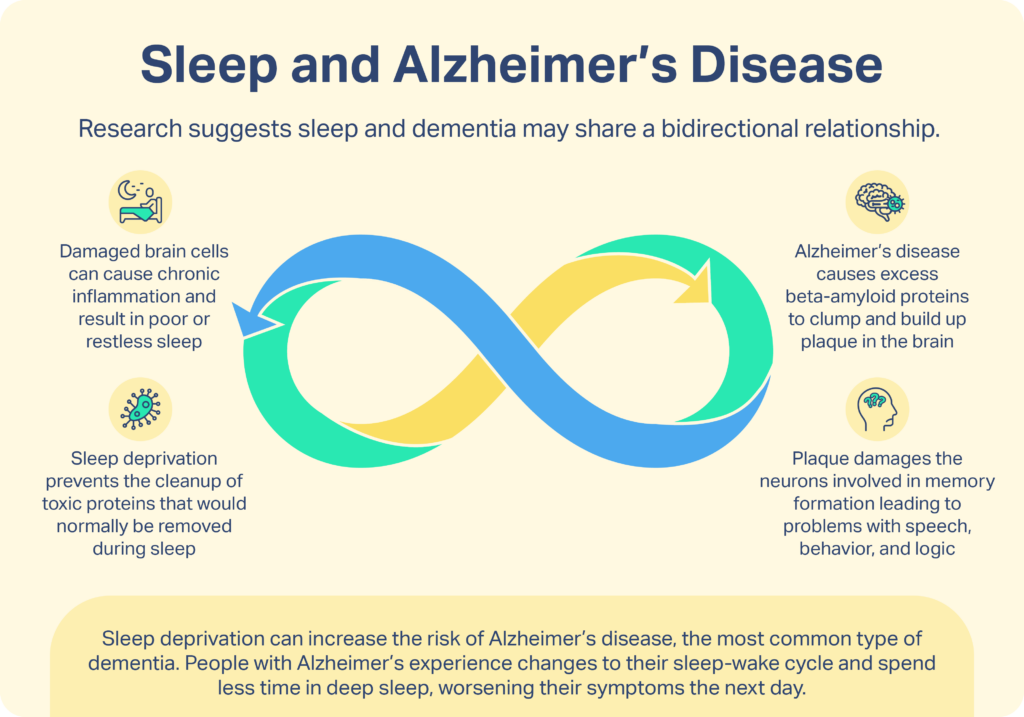
The ability of the brain to clear toxins during deep sleep is essential for preventing the accumulation of proteins associated with neurodegenerative diseases. When this process is interrupted by medication or sleep deficits, the brain becomes more vulnerable to cognitive impairment.
Key Takeaways for Public Health
The evidence presented across these studies suggests that sleep is not merely a period of rest but a critical biological process for brain maintenance. For older adults, ensuring the quality of deep sleep may be a key factor in reducing the risk of dementia and Alzheimer’s.
These findings highlight the need for a cautious approach to the use of sleep medications and the importance of prioritizing natural, deep sleep to protect neurological function in the aging population.
