

Global Liver Health Crisis: 1.8 Billion People at Risk of Fatty Liver Disease by 2050
Public health projections indicate a looming global crisis as the prevalence of “fatty liver” disease is expected to surge, with an estimated 1.8 billion people affected by the condition by 2050. According to recent data, this rise is closely linked to the increasing rates of obesity, diabetes and hyperglycemia.
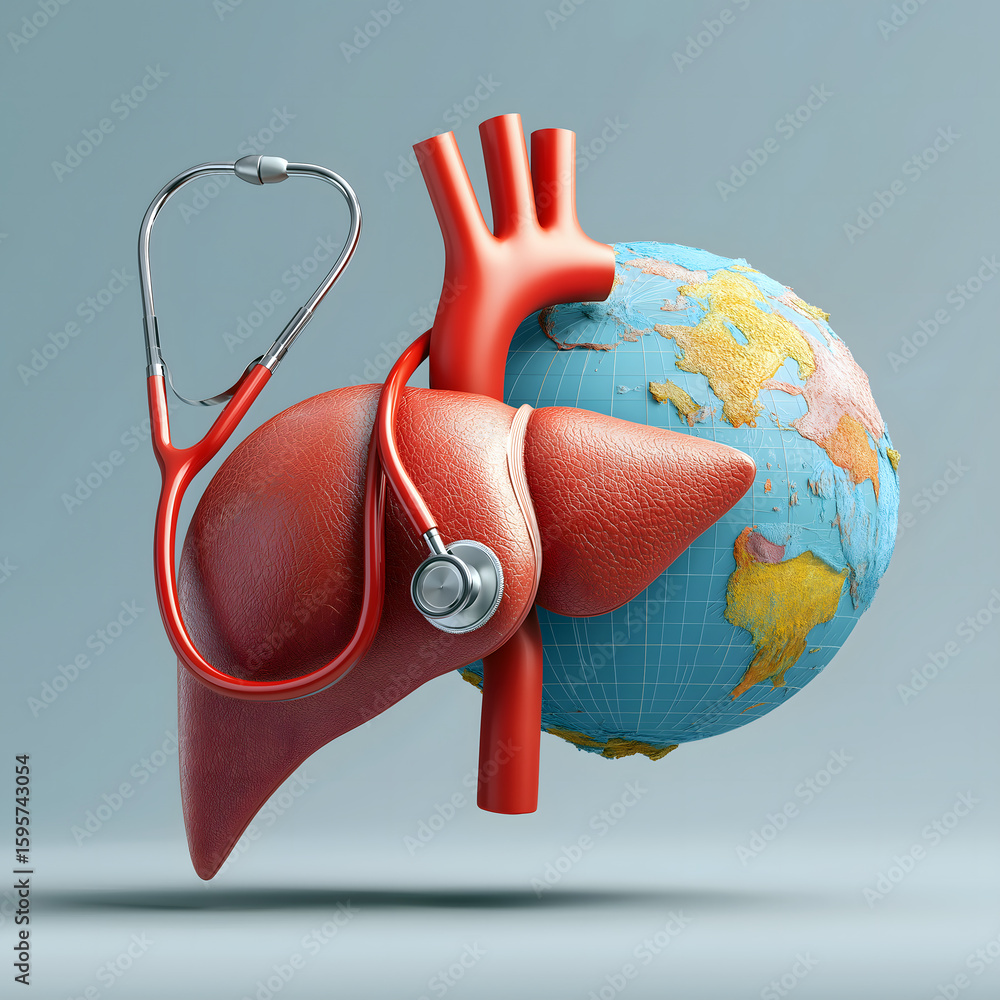
The metabolic drivers of this trend are particularly concerning in younger populations. Experts have described juvenile obesity as a “time bomb” for cardiometabolic diseases, suggesting that early-life weight struggles set the stage for chronic health failures in adulthood. This systemic challenge underscores the urgent need for preventative measures to curb metabolic dysfunction before it leads to irreversible organ damage.
While metabolic syndrome is a primary driver, lifestyle choices—specifically alcohol consumption—continue to play a critical role in liver and heart degradation. Research indicates that daily alcohol habits, even when limited to a single glass, can significantly increase the risk of heart disease. Evidence suggests that even occasional alcohol consumption can lead to physiological damage, challenging the notion that infrequent drinking is entirely benign.
To combat these risks, medical professionals are emphasizing proactive liver protection. A professor of medicine has identified four key habits that protect the liver, while dietary interventions are also being highlighted. Specifically, certain natural foods are noted for their ability to effectively reduce liver enzymes in 2026.
Public health policy is also evolving to address these metabolic threats. As part of the 2025 budget, taxes on sugary drinks are set to increase, a move viewed as beneficial for public health despite the negative impact on industrial producers. These policy shifts aim to reduce the consumption of high-sugar beverages, which contribute to the obesity and hyperglycemia driving the fatty liver epidemic.
In addition to lifestyle and policy changes, pharmacological innovations are providing new avenues for treatment. Medications such as Ozempic and its related counterparts are demonstrating beneficial effects beyond weight loss, showing promise in treating addictions, depression, and Alzheimer’s disease. These developments suggest a broader therapeutic potential for medications targeting metabolic pathways, offering hope for patients facing complex, comorbid health challenges.
