
Direct Primary Care Gains Traction as Alternative to Traditional Insurance Model
A growing number of Americans are turning to direct primary care (DPC) – a membership-based healthcare model that bypasses insurance companies – seeking more accessible and personalized medical attention.
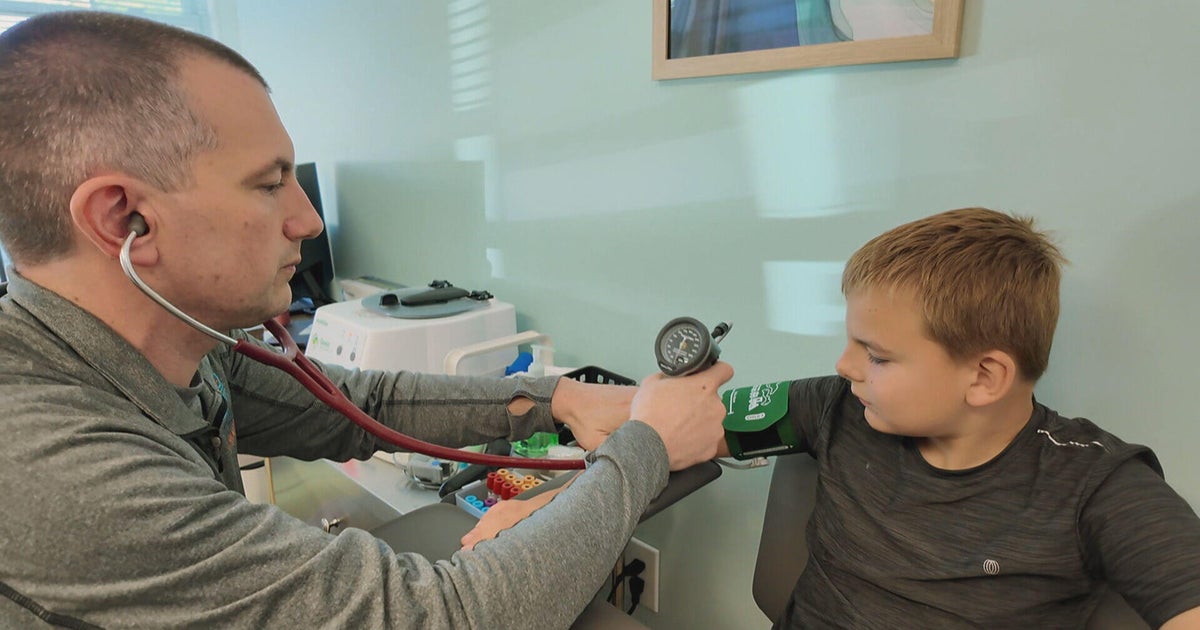
In Bangor, Maine, Geoff Clarke recently experienced a healthcare checkup he described as “exactly like my dream,” thanks to Alley and Brad Tuttle, a husband and wife team offering DPC through their practice, Apotheosis Health. Patients pay a regular monthly fee – in Apotheosis Health’s case, less than $100 – for unlimited access to basic services like physicals, blood tests, and discounted prescriptions. This model represents a potential shift in how many Americans access preventative care, which is often hindered by high costs and limited access.
The DPC model has seen significant growth in the last decade, expanding from 140 practices to nearly 3,000 nationwide, according to data from the Journal of the American Board of Family Medicine and DPC mapper. Brad Tuttle explained the appeal, stating, “Kind of going back to the family doctor feel, where you go in, you’re not rushed, really develop that relationship.” Approximately one-third of Americans currently lack a primary care provider, a statistic linked to increased rates of chronic disease, hospitalizations, and delayed diagnoses, as reported by the National Association of Community Health Centers.
Alley Tuttle, a nurse practitioner, emphasized the importance of preventative screenings, saying, “A lot of cancer is preventable with screenings, mammograms, colonoscopies. If you don’t have a primary care provider ordering these things for you, they’re not getting done.” The Tuttles also highlighted the benefits for healthcare providers themselves, noting that the DPC model allows for a better work-life balance, a growing concern in a field facing widespread burnout.
Officials at Apotheosis Health say they are currently accepting new patients and plan to expand their services based on community need.
