
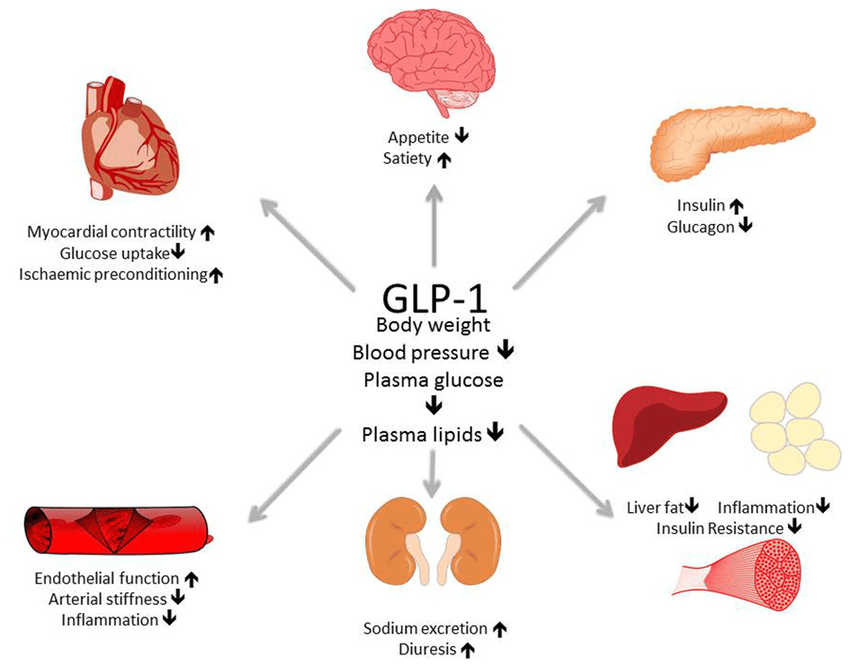
Researchers from Boston University presented findings at ENDO 2026 revealing that nearly 60% of Americans with type 2 diabetes discontinue GLP-1 medications within two years, though many restart treatment, according to a study published by news.google.com. The analysis of 60,000 patients using insurance records showed a significant start-and-stop pattern in medication use, challenging assumptions about long-term adherence.
Study Methodology and Key Findings
The study, led by Sainikhil Sontha of Boston University, analyzed U.S. claims data from January 2019 to June 2025, focusing on adults with type 2 diabetes who initiated GLP-1 medications like liraglutide, semaglutide, or tirzepatide. Discontinuation was defined as a gap of more than 60 days in prescription fills, while reinitiation occurred when patients resumed therapy. The research, presented at the Endocrine Society’s annual meeting in Chicago, highlighted that 40% of patients stopped within the first year, with 60% discontinuing by year two.
“This suggests that for many patients, these medications aren’t being abandoned permanently; use is more start-and-stop than most people assumed,” Sontha said, citing the study’s findings. The research also noted that 41.5% of those who stopped restarted within a year, and 58% did so within two years, indicating a pattern of intermittent adherence rather than complete non-compliance.
Discontinuation Patterns and Risk Factors
Several factors correlated with higher discontinuation rates. Patients on Medicaid or Medicare, Black individuals, and those experiencing gastrointestinal side effects were more likely to stop GLP-1 therapy within a year. The study also found that individuals prescribed newer medications like tirzepatide had a 41% lower risk of discontinuation compared to those on older drugs like liraglutide. Semaglutide users saw a 28% reduced risk of stopping treatment.
Patients whose first GLP-1 medication was prescribed by an endocrinologist were 10% less likely to discontinue therapy. The findings underscore the role of specialist involvement in improving adherence, though the study did not explore the mechanisms behind this trend. Sontha emphasized that “consistent use of these medications is what produces their protective effects,” warning that early discontinuation could lead to missed opportunities to prevent complications like heart attacks or kidney disease progression.
Implications for Healthcare Providers
The study’s authors argue that healthcare providers, insurers, and policymakers need targeted strategies to support patients in maintaining GLP-1 therapy. “These findings give providers an idea of which patients need more support,” Sontha said, suggesting that interventions could include patient education, monitoring for side effects, or financial assistance programs. The research also highlights the importance of addressing disparities in medication adherence among different demographic groups.
Healthcare systems may need to reevaluate how GLP-1 therapies are prescribed and monitored. For example, the study’s results could inform guidelines for follow-up care, ensuring patients receive ongoing support to navigate side effects or financial barriers. However, the research does not address how these recommendations could be implemented at scale, leaving questions about practical next steps for providers.
What Comes Next?
The study’s authors call for further research to explore why some patients restart treatment and how to sustain long-term adherence. Sontha noted that “stopping early may mean missed opportunities to prevent complications,” but the study did not track health outcomes for patients who discontinued therapy. Future studies could link medication adherence to clinical results, providing clearer evidence of the consequences of intermittent use.

Meanwhile, the findings may influence insurance policies and drug pricing strategies. With GLP-1 medications increasingly used for weight management and diabetes, payers might consider incentives for continuous use or coverage for alternative treatments for patients who struggle with adherence. However, the study does not specify how these changes could be structured, leaving the path forward uncertain.
For patients, the study underscores the importance of open communication with healthcare providers. “If you’re experiencing side effects or financial challenges, discuss them with your doctor,” said Sontha, who emphasized that restart rates suggest therapy can often be resumed if barriers are addressed. The research also highlights the need for personalized approaches to medication management, recognizing that one-size-fits-all strategies may not work for all patients.
As GLP-1 drugs continue to play a central role in diabetes and obesity care, the study’s insights could shape future conversations about treatment sustainability. With 60,000 patients’ data informing the findings, the research provides a critical snapshot of real-world adherence patterns, though its implications will depend on how stakeholders translate these insights into action.
<a href="https://www.news-medical.net/news/20260614/Study-reveals-frequent-stop-and-start-patterns-with-GLP-1-drugs.
Find more reporting in our Health section.
