

Self-compassion—the practice of treating yourself with the same kindness you’d offer a friend—is widely touted as a tool for resilience. Yet for millions, it backfires: instead of soothing, it triggers anxiety, self-criticism, or even worse. Research from two leading psychology sources reveals why some people struggle with self-compassion, and how to avoid the pitfall of “backdraft,” where good intentions make emotional pain worse.
The backdraft effect: When kindness feels like a threat
When you’re struggling, self-compassion exercises—like imagining a friend’s reassuring words—can paradoxically make things worse. This phenomenon, called “backdraft,” occurs when compassion triggers emotional memories tied to insecure attachment, according to researchers at the Greater Good Science Center (GGSC). The center’s work shows that roughly 40% of people grew up with inconsistent emotional support from caregivers, leaving them without a “safe” emotional baseline to activate during self-compassion practices.
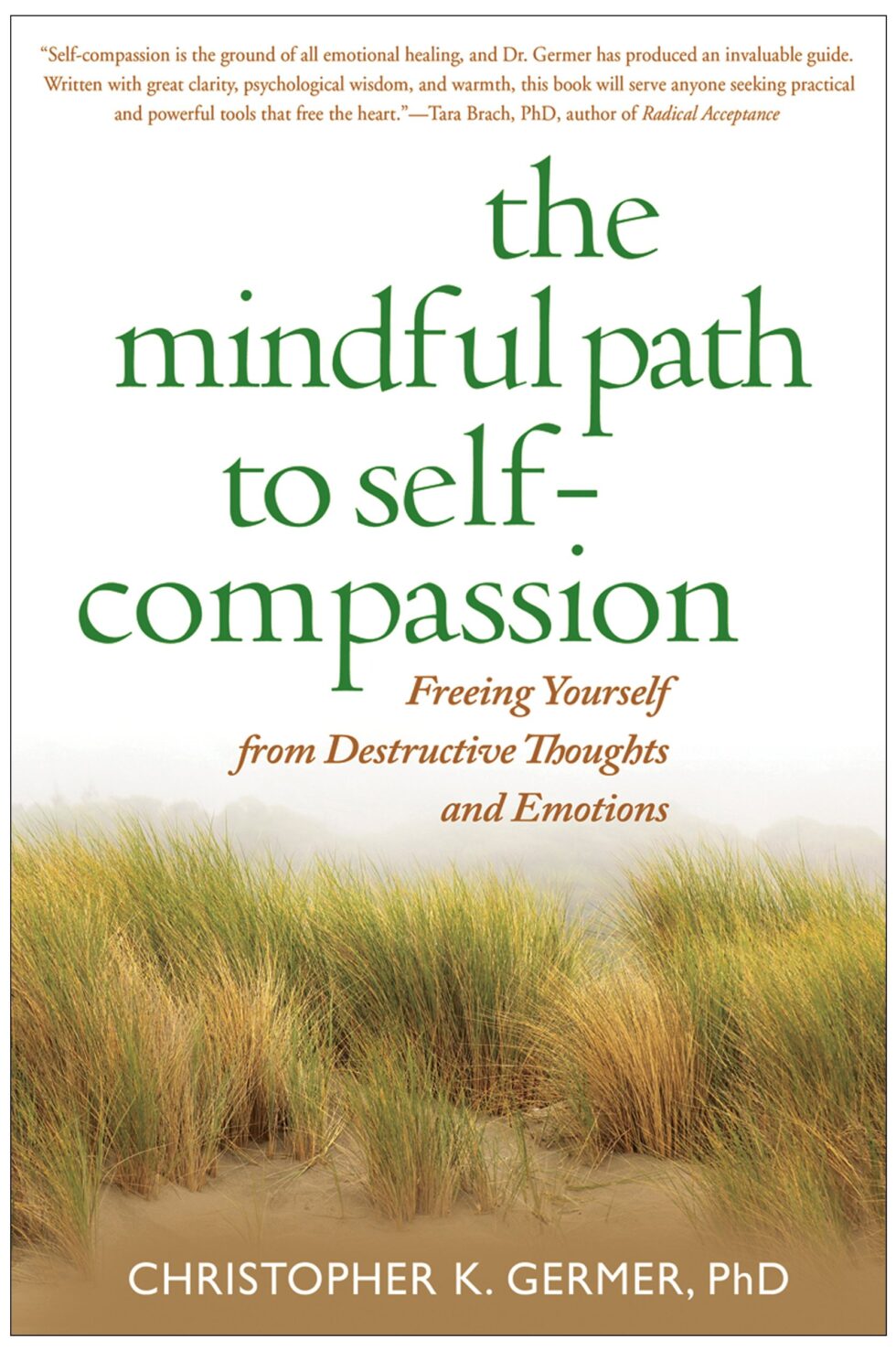
For these individuals, self-compassion doesn’t feel like comfort—it feels like a threat. The GGSC’s Chris Germer, a clinical psychologist and co-developer of the Mindful Self-Compassion program, explains that the issue stems from two emotional systems: the “contentment system” (which thrives on secure attachment) and the “threat system” (which dominates when attachment is insecure). Without early emotional safety, self-compassion exercises can’t access comforting memories, leaving the person feeling more vulnerable instead of reassured.
“It’s a normal part of practicing self-compassion.”
Perfectionism as the silent blocker
Perfectionists face an even deeper barrier: self-compassion can feel like betrayal of their high standards. A study cited by the Manhattan Therapy Collective found that perfectionists often associate self-kindness with failure, making it an “unpredictable allergen.” The collective’s psychologists note that this aversion stems from early messaging—whether from parents, schools, or cultural expectations—that tied self-worth to achievement. For these individuals, self-compassion isn’t just hard; it’s actively dangerous to their self-image.
The irony? Research shows self-compassion actually improves performance and recovery after setbacks. A 2021 study in Psychological Science found that athletes who practiced self-compassion after failure bounced back faster than those who used positive self-talk. Yet for perfectionists, the fear of “lowering standards” overshadows the benefits. The collective’s experts emphasize that self-compassion isn’t about lowering expectations—it’s about sustaining them without self-sabotage.
How to bypass the backdraft
The GGSC and Manhattan Therapy Collective agree on one critical fix: avoid mental exercises that trigger threat responses.
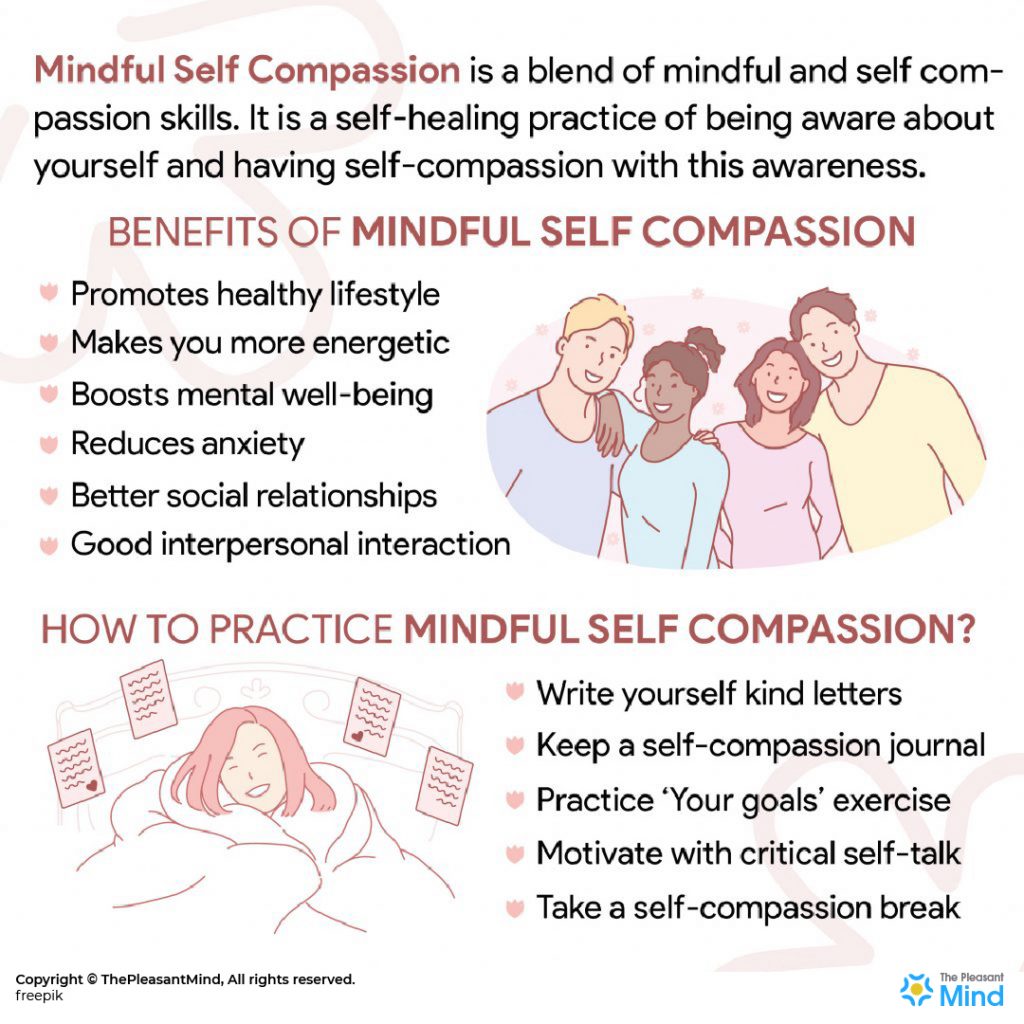
- Physical comfort first: Hold a warm drink, wrap yourself in a blanket, or sit in a cozy chair. Sensory grounding bypasses the mental block.
- Write a letter to yourself: Use neutral language (“This was hard, and I’m doing my best”) rather than forced positivity.
- Name the fear: Ask, “What am I afraid will happen if I’m kind to myself?” Often, the answer reveals deeper insecurities.
- Start small: Replace “I’m a failure” with “I’m struggling right now,” then pause before reacting.
The key is meeting yourself where you are, not where you wish you were. For those with insecure attachment, the GGSC recommends pairing self-compassion with compassion-focused therapy, which helps rewire the threat system. Meanwhile, perfectionists may benefit from reframing self-compassion as a performance tool—not a moral failure.
Why this matters: The cost of avoiding self-compassion
When self-compassion backfires, the consequences ripple outward. Chronic self-criticism is linked to higher rates of depression and burnout, while avoidance of self-kindness can deepen shame spirals. The GGSC’s research shows that people who fear self-compassion often overcompensate with self-punishment—working longer hours, neglecting health, or isolating themselves to “prove” their worth.

Yet the alternative—embracing self-compassion without triggering backdraft—offers measurable benefits. A 2019 study in Frontiers in Psychology found that participants who practiced non-judgmental self-kindness reported 30% lower stress levels after three months, compared to those who used standard positive affirmations. The difference? The former group engaged with their struggles without mental resistance.
What happens next: The science of self-compassion in 2026
As of June 2026, self-compassion research is shifting from “why it works” to “how to make it work for everyone.” The GGSC is testing neurofeedback-assisted compassion training, where brainwave monitoring helps users recognize backdraft triggers in real time. Meanwhile, the Manhattan Therapy Collective is piloting group workshops for perfectionists, using shared storytelling to normalize struggles.
The takeaway? Self-compassion isn’t one-size-fits-all. For some, it’s a balm; for others, it’s a minefield. The solution lies in personalized approaches—and recognizing that the goal isn’t to feel better immediately, but to stop making things worse. As Germer puts it: “Self-compassion isn’t about avoiding pain; it’s about meeting it without adding fuel to the fire.”
For readers exploring self-compassion tools, the GGSC offers free exercises at their resource hub, while the Manhattan Therapy Collective provides therapist-matched guidance for perfectionists.
Find more reporting in our Health section.
