
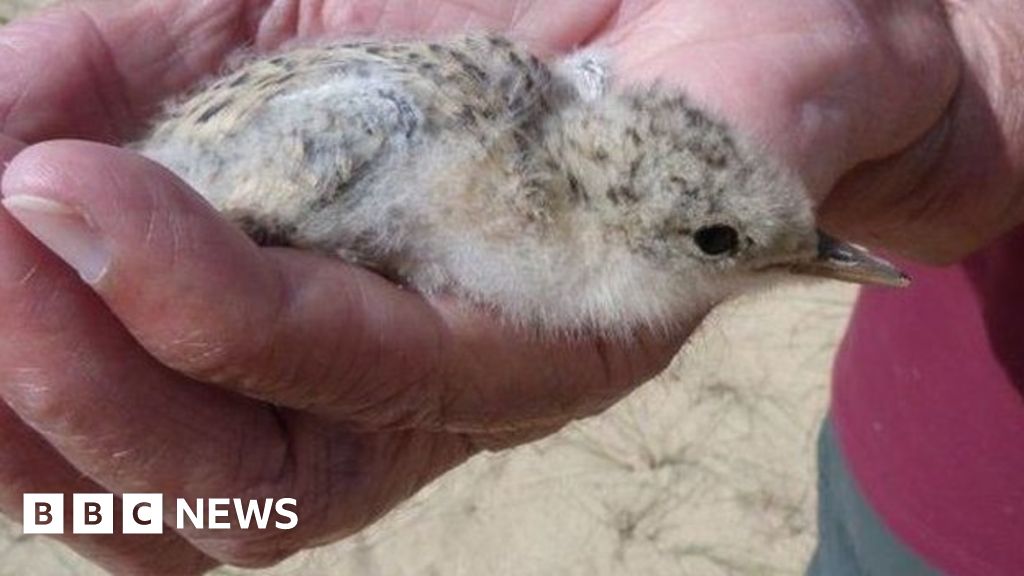
Little tern populations at the North Norfolk coast are facing significant nesting failures as of June 2026, with conservationists attributing the decline to disturbances caused by off-leash dogs. The Royal Society for the Protection of Birds (RSPB) reports that human-related activity, specifically uncontrolled pets, is suppressing the breeding success of these rare ground-nesting seabirds. These birds, the smallest of the tern species found in the UK, represent a delicate component of the coastal ecosystem, and their presence is often viewed by ecologists as an indicator of the health of wider shoreline habitats.
Impact of Canine Disturbance on Nesting Sites
The little tern, a species listed as a high conservation priority, relies on shingle beaches for nesting. Because these birds lay their eggs directly on the ground, they are highly vulnerable to crushing and displacement. Their nests are essentially shallow scrapes in the sand or shingle, offering almost no physical protection against external threats. According to the RSPB’s regional monitoring team, the presence of dogs on protected beaches causes adult birds to abandon their nests. This behavior leaves eggs and chicks exposed to both the elements—such as extreme heat or cold—and opportunistic predators like gulls or crows that may target unattended nests.
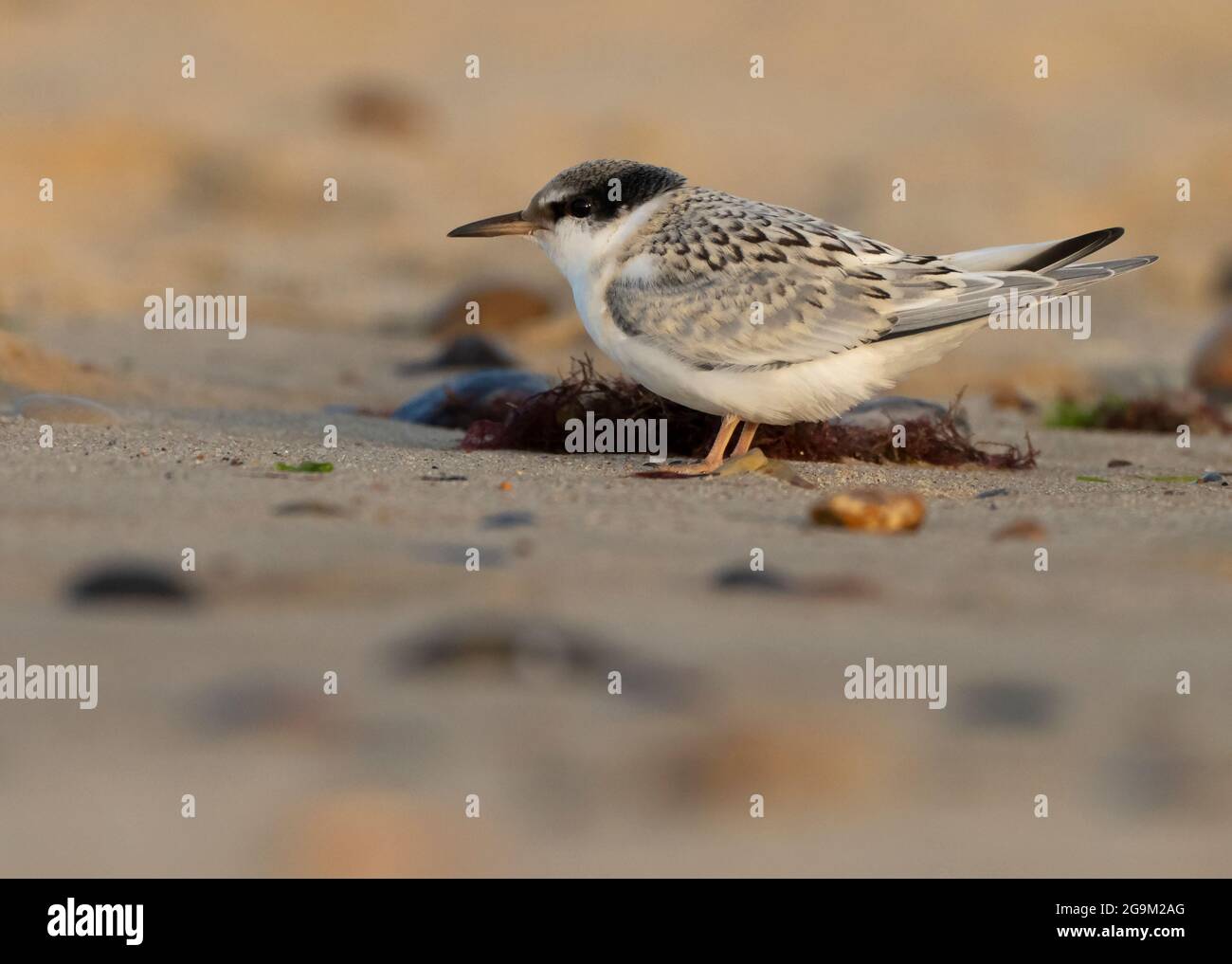

Local wardens operating along the Norfolk coastline have recorded multiple instances this season where dogs have run through cordoned-off sanctuary areas. Despite signage and public awareness campaigns, the frequency of these incursions remains a primary obstacle to population recovery. Conservation staff note that even short-term displacement can prevent the birds from successfully raising a brood during their limited summer nesting window, which typically runs from May through July. When adults are flushed from the nest repeatedly, they expend vital energy reserves that are otherwise needed for incubation and foraging, further lowering the likelihood of successful chick survival.
Regulatory Challenges and Enforcement Efforts
Managing beach access involves balancing public recreation with strict wildlife protection laws. Under the Wildlife and Countryside Act 1981, it is an offense to intentionally disturb wild birds included on Schedule 1 during their breeding season. The little tern is protected under this specific designation, which grants them the highest level of legal protection in the UK. However, enforcement remains difficult for site managers who lack the authority of law enforcement officers. Wardens often find themselves in the position of needing to negotiate with beach users rather than issuing citations, relying heavily on the goodwill and cooperation of the public.
The RSPB has called for stricter adherence to seasonal dog exclusion zones. In areas where fencing is present, the organization reports that compliance is inconsistent. Some local authorities have explored implementing Public Spaces Protection Orders (PSPOs) to mandate leashing in sensitive coastal habitats, though the implementation varies by jurisdiction. These orders, granted under the Anti-social Behaviour, Crime and Policing Act 2014, allow local councils to restrict activities in specific public areas, but they require significant administrative processes and public consultation to enact, meaning they are not always available as an immediate solution to seasonal wildlife crises.
Comparing Breeding Success and Historical Data
Data from the 2024 and 2025 breeding seasons indicate a downward trend in successful fledging rates compared to the early 2020s. While environmental factors such as tidal surges, which can wash away nests located too close to the high-tide mark, and food availability, which fluctuates based on marine fish stocks, also play a role, the RSPB emphasizes that human disturbance is the most preventable threat. Historically, successful breeding colonies have required low levels of human interference to thrive, as the birds are naturally skittish and prone to colony abandonment if they perceive the nesting site as unsafe.
The cumulative impact of dogs running through these colonies is devastating. When a dog chases a bird off its nest, it isn’t just a minor annoyance; it is a direct threat to the survival of the next generation. We are seeing a measurable drop in productivity that tracks directly with the volume of foot traffic and off-leash activity in these restricted zones.
— Mark Gurney, Site Manager, RSPB North Norfolk
Future Outlook for Coastal Biodiversity
The survival of the little tern in this region depends on the ability of conservation groups to maintain secure, undisturbed nesting sites. As the 2026 season progresses, wardens are prioritizing the expansion of temporary fencing and increasing the presence of volunteers to educate beachgoers. This educational approach is a cornerstone of the RSPB’s strategy, aiming to inform the public about the specific biological needs of the birds, such as why the birds nest on the ground and why the exclusion zones must remain clear of all pets.

The uncertainty remains whether public compliance will improve before the end of the breeding cycle in late July. The lifecycle of the little tern is tightly synchronized with seasonal food availability, and any delay in the breeding cycle caused by disturbance makes it increasingly difficult for late-season chicks to gain the weight necessary for their autumn migration. Without a reduction in disturbance, experts warn that the local population may continue to decline, potentially leading to the abandonment of traditional nesting sites that have been used for decades. The effectiveness of current mitigation strategies will be reviewed in the autumn, when final fledging counts are compiled and compared against regional targets, providing a clearer picture of the long-term viability of these specific Norfolk nesting colonies.
Find more reporting in our Tech section.
