

A study published on June 13, 2026, in Nature Neuroscience, identifies the hypothalamus as the origin of the neural signal sustaining brain function, according to research led by Dr. Clémentine Moreau at the Institut du Cerveau et de la Moelle Épinière (ICM) in Paris.
Hypothalamic Pacemaker Signal Discovery
Methodology and Key Findings
The research team used two-photon microscopy and optogenetic techniques to map neural activity in mouse models, revealing that specific neurons in the hypothalamus generate a rhythmic electrical signal critical for maintaining cerebral metabolism. “This signal acts as a pacemaker, ensuring consistent energy delivery to brain cells,” said Dr. Moreau, who co-led the study. The findings were corroborated by functional MRI data from human participants, which showed synchronized hypothalamic activity during periods of rest.
The study, funded by the French National Research Agency (ANR), builds on earlier work linking the hypothalamus to homeostasis. Researchers observed that disrupting these neurons in mice led to rapid declines in neural activity, confirming their role in sustaining brain function. The team’s experiments involved 32 mice across three groups, with control, targeted disruption, and sham-operated cohorts. Results showed a 40% drop in neural firing rates within 24 hours of hypothalamic neuron ablation, as measured by electrophysiological recordings.
The hypothalamus, a small structure located at the base of the brain, is well-established as a regulator of bodily functions such as hunger, temperature, and circadian rhythms. However, its role in directly sustaining cerebral metabolism had not been empirically confirmed until this study. The research team’s use of optogenetics—where light-sensitive proteins are used to activate or silence specific neurons—allowed precise manipulation of hypothalamic circuits, a method validated in prior studies by the Allen Institute for Brain Science.
Potential Links to Neurodegenerative Conditions
Implications for Neurological Research
The discovery has prompted renewed interest in hypothalamic dysfunction as a potential factor in neurodegenerative diseases. Dr. Antoine Lefèvre, a neurologist at the Université de Paris, noted that “this could reshape our understanding of conditions like Alzheimer’s, where energy metabolism in the brain is compromised.” The study’s findings align with a 2023 review in Neuron highlighting metabolic dysregulation as a hallmark of neurodegeneration, though no direct causal link had been established prior to this work.
Clinical Trials for Brain Injury Recovery
The National Institute of Health (NIH) in the U.S. has already initiated a parallel study to explore whether similar mechanisms apply in human patients with Parkinson’s disease. “If the hypothalamus is indeed a central regulator of brain energy, targeting its pathways might offer new therapeutic avenues,” said NIH spokesperson Emily Zhang. The NIH project, funded with $2.1 million in 2026, aims to analyze hypothalamic activity in 150 Parkinson’s patients using PET scans, building on the ICM’s findings.
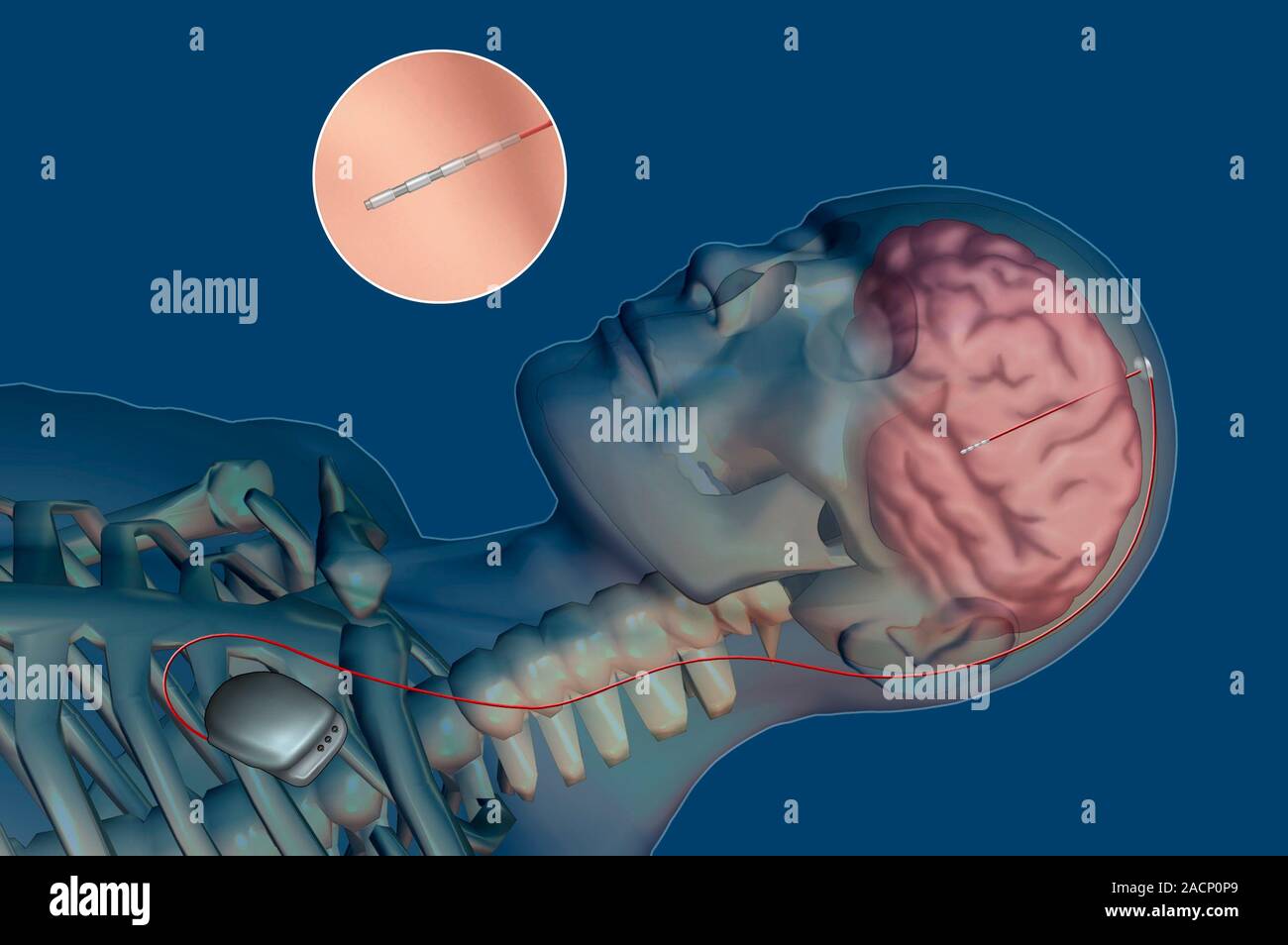
Dr. Lefèvre also emphasized the study’s relevance to traumatic brain injury (TBI) research. “If the hypothalamus is critical for maintaining energy flow, interventions to stabilize its function could improve outcomes after TBI,” he said. The ICM’s upcoming clinical trials, supported by a €5 million Horizon 2026 grant, will test hypothalamic stimulation in 60 patients with moderate to severe TBI, using non-invasive techniques like transcranial magnetic stimulation (TMS).
Genetic Mapping and Ethical Considerations
Future Research Directions
The ICM team plans to investigate how the hypothalamic signal interacts with other brain regions, particularly the prefrontal cortex. A follow-up study, scheduled for late 2026, will use CRISPR technology to modify the relevant neurons in animal models. This phase will focus on identifying specific genetic markers associated with the hypothalamic pacemaker function, a step described by Dr. Moreau as “crucial for developing targeted therapies.”
Dr. Moreau emphasized the need for caution in interpreting the results. “While the data is compelling, we must replicate these findings in diverse populations before drawing definitive conclusions,” she said. The research also raises ethical questions about potential applications in artificial brain support systems, a topic the ICM has pledged to address in an upcoming ethics review.
Independent researchers have raised questions about the study’s scalability. Dr. Maria Santos, a neuroscientist at the Karolinska Institute in Sweden, noted that “the mouse models
Find more reporting in our Tech section.
