
Dourados, a city in Brazil’s Mato Grosso do Sul state, has declared a public health calamity amid a worsening chikungunya outbreak that has overwhelmed its healthcare system and accounted for a significant share of national deaths from the virus.
According to municipal officials, the declaration follows a sharp rise in cases, with more than 6,186 probable infections reported and a test positivity rate of 64.9%, indicating widespread transmission of the mosquito-borne virus. Health authorities confirmed that hospital bed occupancy has surpassed capacity, reaching approximately 110%, which they say prevents timely care even for severe cases.
The situation has been exacerbated by concurrent pressures from other illnesses, particularly severe acute respiratory syndrome (SRAG), which has further strained available medical resources. Officials noted that the outbreak, initially concentrated in the city’s Indigenous Reserve, has now spread to urban neighborhoods, increasing demand at clinics, urgent care centers, and hospitals.
As part of the response, a Public Health Emergency Operations Center (COE) has been activated to coordinate efforts between indigenous and urban areas. The city has also begun training healthcare workers to administer vaccines, with a vaccination campaign scheduled to start on Monday, April 27, 2026.
Data from the federal Ministry of Health’s Arbovirus Monitoring Panel shows that Dourados accounts for 42% of all chikungunya-related deaths in Brazil this year. As of mid-April, 19 deaths had been recorded nationwide, with 12 occurring in Mato Grosso do Sul—eight of them in Dourados. Among the deceased were two Indigenous infants, aged one and three months.
Local health officials reported 4,959 probable cases and 2,204 confirmed infections in the municipality, yielding an incidence rate of 2,037.6 per 100,000 residents—well above the World Health Organization’s epidemic threshold of 300 per 100,000.
In addition to medical response, civil defense teams have supported vector control operations in surrounding Indigenous communities, including cleanup efforts aimed at reducing mosquito breeding sites.
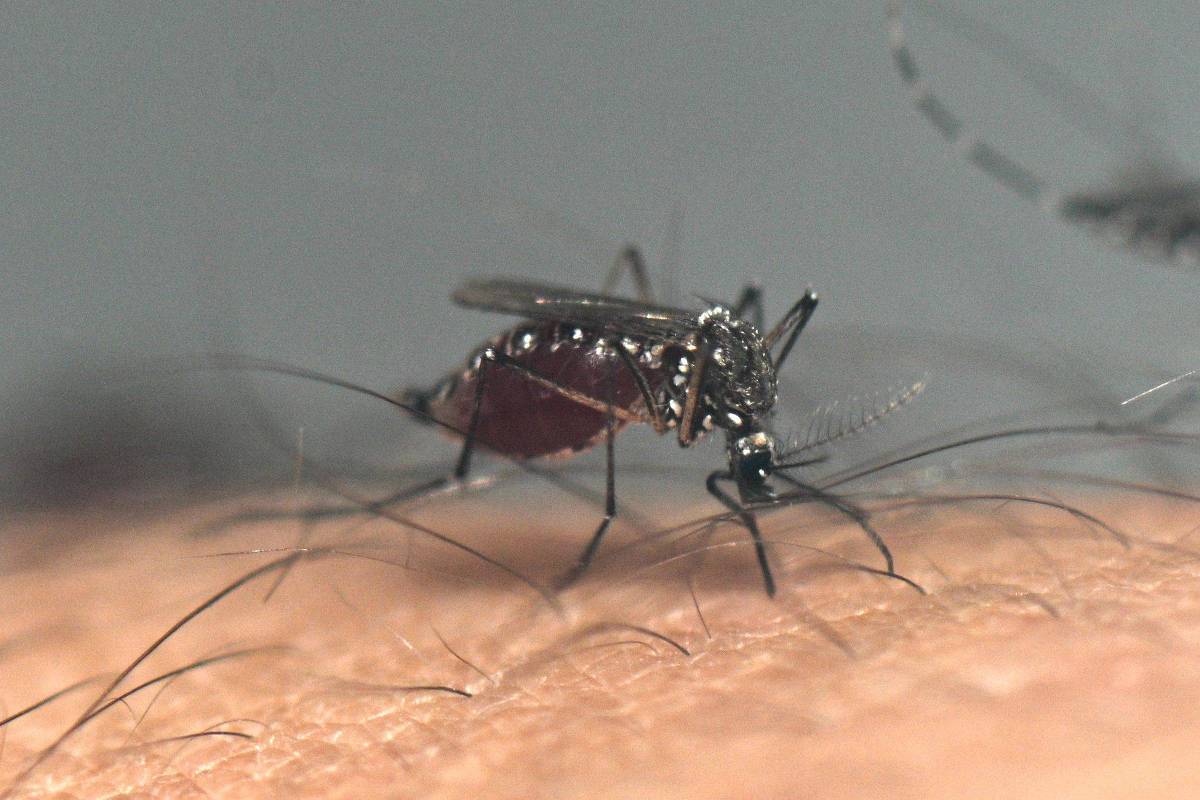
The Aedes aegypti mosquito, which also transmits dengue and Zika, remains the primary driver of the outbreak. Public health experts emphasize that such outbreaks underscore the ongoing challenges posed by arboviruses in tropical regions, particularly when healthcare systems face simultaneous pressures from multiple infectious diseases.
