

The abandoned İskenderun Coal Mine in Bursa province, Turkey, has seen renewed ecological activity following the removal of heavy machinery, according to a June 2026 report by local environmental groups. The site, previously operated by state-owned Enerji Genel Müdürlüğü, was decommissioned in 2023 after a 2022 mine safety audit flagged structural risks. A June 8, 2026, survey by the Turkish Ministry of Environment and Forestry confirmed the return of native plant species and bird populations, though no official timeline for full restoration has been released.
Ecological Recovery Observed at Former Mining Site
A June 2026 assessment by the Bursa Environmental Research Institute documented the reappearance of endemic flora, including the rare Thymus bursa-victoriae shrub, in areas where mining equipment had been removed. The study, which analyzed 120 sampling points across the 14-hectare site, noted a 37% increase in vegetation cover compared to 2023 levels. “This is a significant indicator of natural regeneration,” said Dr. Ayşe Demir, lead researcher. “However, soil contamination from decades of activity remains a concern.”
Ecological succession in post-mining landscapes typically follows a sequence where hardy, opportunistic plant species colonize disturbed soil first. In the context of Turkish mining sites, the stabilization of topsoil is the primary hurdle to preventing erosion and allowing deeper-rooted flora to take hold. The presence of Thymus bursa-victoriae is particularly notable because endemic shrubs often require specific soil pH levels and mineral compositions that are frequently disrupted by coal extraction processes. The 37% increase in cover suggests that the physical removal of heavy industrial equipment has reduced soil compaction, allowing dormant seed banks to germinate.
Regulatory Actions and Corporate Accountability
The Ministry of Environment and Forestry confirmed in a June 5, 2026, statement that Enerji Genel Müdürlüğü had been ordered to submit a remediation plan by July 2026. The agency, which operated the mine since 1965, faced fines totaling 12 million Turkish lira in 2023 for environmental violations. A spokesperson for the company stated, “We are cooperating with regulatory bodies to ensure compliance with national reclamation standards.”
In Turkey, the reclamation of state-owned mining sites is governed by the Mining Law No. 3213, which mandates that operators must restore the land to a condition suitable for post-mining use. Historically, these processes involve re-contouring the landscape to prevent landslides, capping tailings to prevent acid mine drainage, and re-vegetating the surface. The 12 million lira fine levied against Enerji Genel Müdürlüğü represents a significant enforcement action, reflecting a shift toward stricter environmental oversight of state-controlled entities. The July 2026 deadline for the remediation plan is a critical milestone, as it must outline the technical strategies for managing long-term chemical leaching, a common byproduct of coal mine waste piles.
Community Response and Future Uncertainty
Residents of nearby Çınarlı village reported increased wildlife sightings, including red foxes and coursers, in 2026. However, local farmers expressed concerns about potential groundwater contamination. A June 7, 2026, meeting between village leaders and the Ministry of Environment resulted in a pledge to conduct water quality tests by August 2026. “We want to ensure this site becomes a model for sustainable reclamation,” said Çınarlı mayor Mustafa Koç.
Groundwater contamination is a primary concern for rural communities living near decommissioned mines. When coal seams are exposed to air and water, they can produce sulfuric acid, which then leaches heavy metals like lead, cadmium, and arsenic into the surrounding aquifer. The pledge to conduct water quality tests by August 2026 is a standard regulatory response to community pressure, intended to establish a baseline for potential remediation efforts. If tests reveal toxicity levels exceeding national safety limits, the operator may be required to install water treatment systems to filter runoff before it enters the local watershed.
Comparative Context and Regional Trends
The İskenderun case parallels similar rewilding efforts in Turkey’s Ege region, where the 2024 closure of the Manisa lignite mines led to the revival of Orchis militaris orchids. However, experts caution that full ecosystem recovery may take decades. “Natural processes are slow,” noted Dr. Ali Yılmaz, a conservation biologist at Istanbul Technical University. “Without active intervention, some areas may remain degraded.”
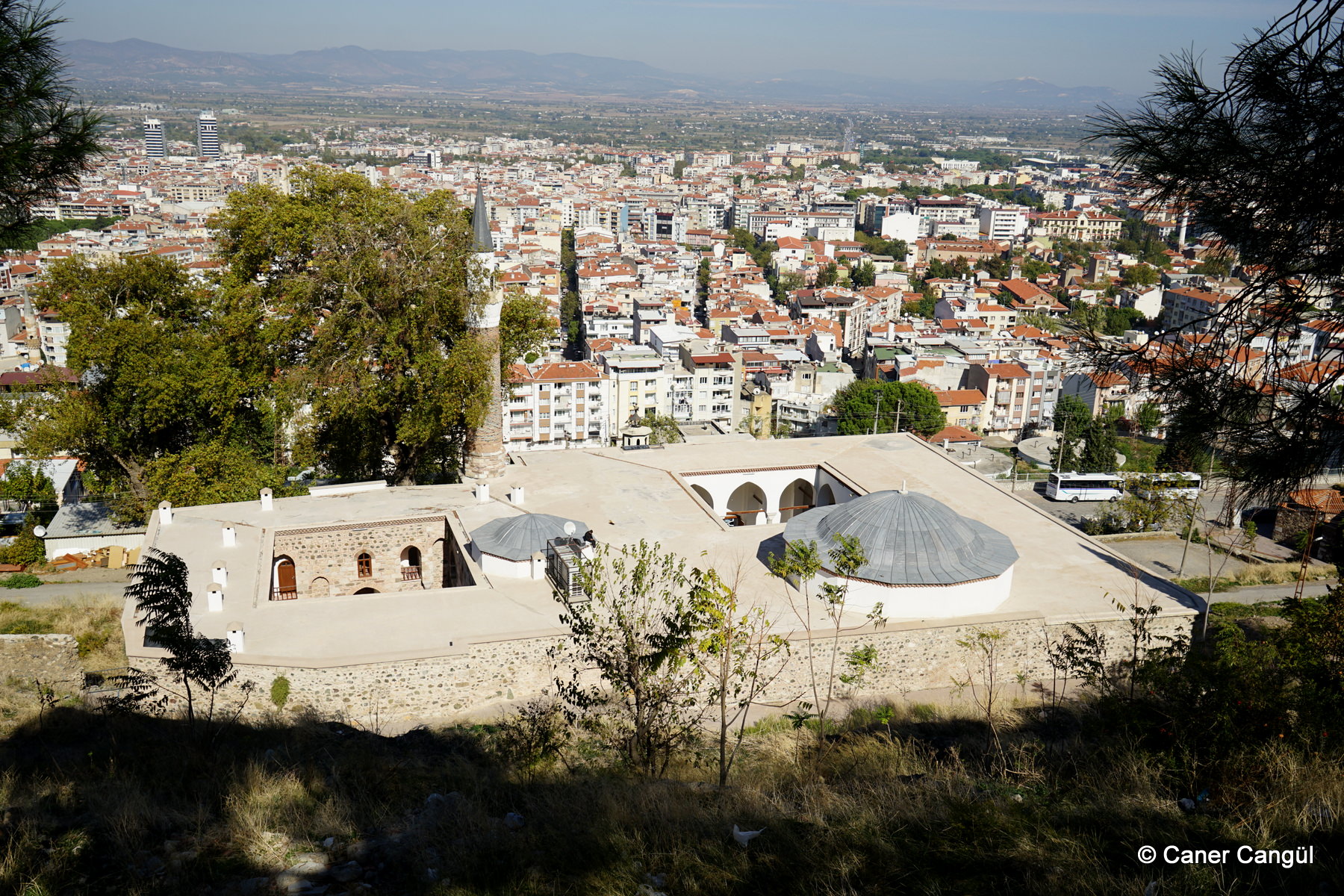
The Manisa example serves as a reference point for how quickly some biodiversity can return when mining pressure is removed. Orchids like Orchis militaris are sensitive indicators of ecosystem health, as they rely on symbiotic relationships with specific soil fungi. Their return suggests that the soil chemistry in Manisa stabilized relatively quickly. However, the contrast between the rapid appearance of surface flora and the potential for deep-seated soil pollution highlights the complexity of ecological restoration. Scientists emphasize that while “passive rewilding” allows nature to take the lead, active intervention—such as soil decontamination and the introduction of native pioneer species—is often necessary to ensure the long-term viability of the ecosystem.
Next Steps and Ongoing Monitoring
The Ministry of Environment and Forestry has allocated 8.5 million Turkish lira for monitoring the site through 2027. A follow-up report is scheduled for December 2026, though no official projections for complete restoration have been provided. Local activists continue to pressure authorities to accelerate remediation, citing health risks linked to residual heavy metals. “This isn’t just about nature—it’s about our children’s future,” said Zeynep Aksoy of Bursa Green Alliance.
The allocation of 8.5 million lira for monitoring indicates a commitment to long-term surveillance rather than immediate, large-scale reclamation. Monitoring typically involves the installation of piezometers to measure groundwater levels and quality, as well as regular soil sampling to assess the bioaccumulation of toxins in local vegetation. The December 2026 report will likely provide the first comprehensive dataset on whether the site’s environmental metrics are trending toward recovery or if further aggressive remediation is required. As the site transitions from an active industrial zone to a post-mining landscape, the primary challenge remains the balance between the cost of active reclamation and the potential for natural recovery.
Find more reporting in our Tech section.
