

UAE’s Exit From OPEC Deals Major Blow to Oil Cartel, Boosts U.S. Energy Influence
The United Arab Emirates (UAE) will officially withdraw from the Organization of the Petroleum Exporting Countries (OPEC) next month, marking a historic shift in the global oil market and delivering a strategic victory to U.S. Energy policy under President Donald Trump. The move, announced Tuesday, ends nearly 60 years of UAE membership in the influential cartel and further weakens OPEC’s grip on global oil prices.
Why the UAE Is Leaving—and What It Means for Oil Markets
The UAE’s energy minister stated that the decision would allow the country to pursue its long-term production goals with greater flexibility. The Gulf nation, which has invested heavily in expanding its oil output capacity, will no longer be bound by OPEC’s production quotas—a restriction that had increasingly clashed with its ambitions to meet rising global energy demand.
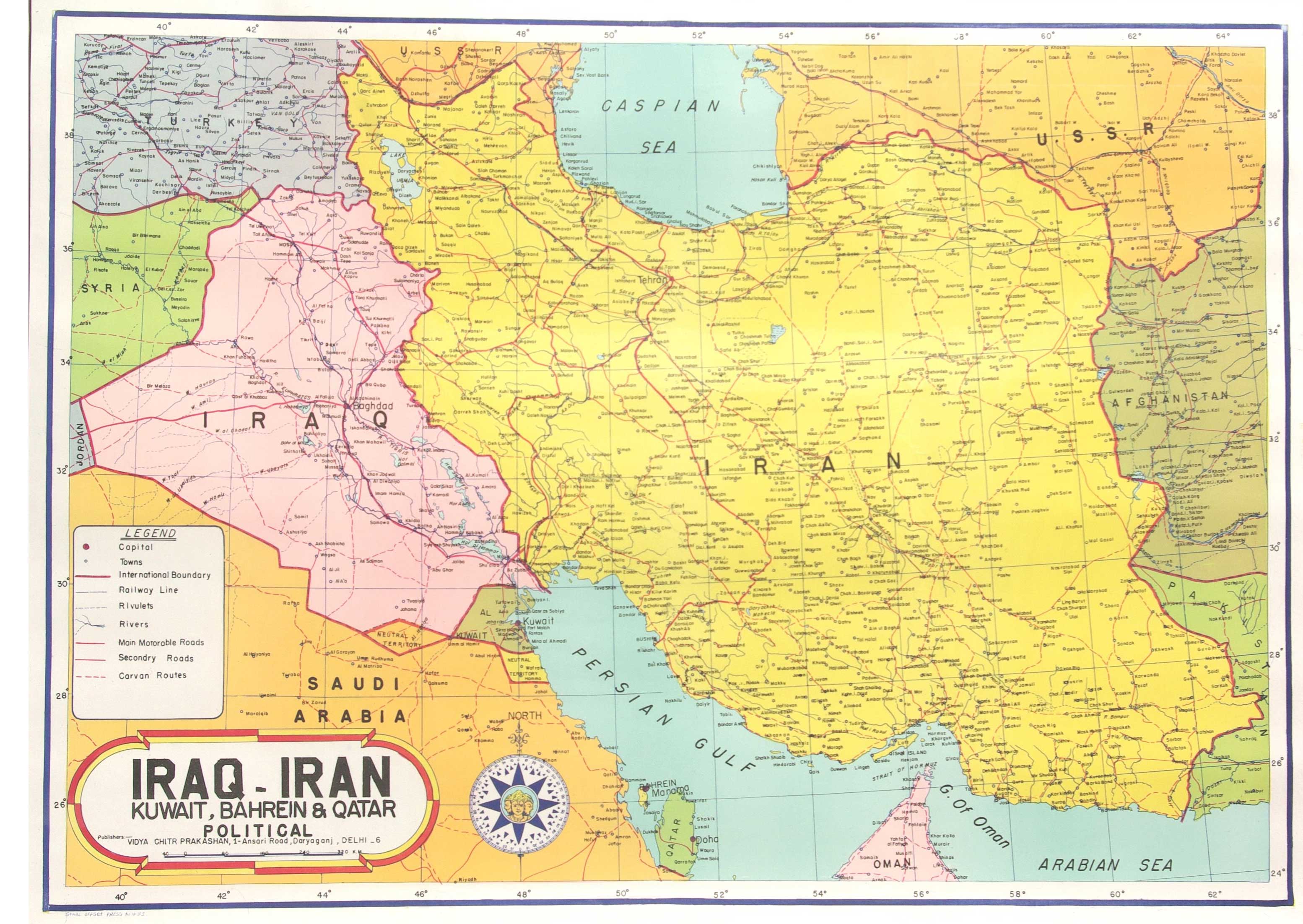
OPEC, founded in 1960 by Iran, Iraq, Kuwait, Saudi Arabia, and Venezuela, was designed to stabilize oil prices by coordinating production among its members. Over the decades, the group expanded to include 12 nations, with the UAE joining in 1967. At the start of 2026, the UAE was OPEC’s third-largest producer, pumping roughly 3.4 million barrels per day. Its departure reduces the cartel’s total membership to 11 and shrinks its collective production capacity by an estimated 13%, according to data from the International Energy Agency (IEA).
A Strategic Win for Trump’s Energy Agenda
The UAE’s exit aligns with long-standing criticism from President Trump, who has repeatedly accused OPEC of manipulating oil prices to the detriment of U.S. Consumers. In a 2018 speech before the United Nations General Assembly, Trump accused the cartel of “ripping off the rest of the world” by artificially inflating prices. The departure of a key OPEC member—particularly one as influential as the UAE—undermines the organization’s ability to control global supply and could accelerate the shift toward market-driven pricing.

Trump’s energy policies, which have emphasized U.S. Energy independence and the expansion of domestic oil and gas production, have already reshaped global energy dynamics. The rise of American shale oil has challenged OPEC’s dominance, and the UAE’s withdrawal further erodes the cartel’s influence. Analysts note that the move could embolden other members to reconsider their own commitments to OPEC, particularly as geopolitical tensions in the Middle East continue to strain alliances.
Geopolitical Tensions and Market Volatility
The timing of the UAE’s announcement comes amid heightened instability in the Middle East. OPEC’s production has already taken a hit this year, with output falling by nearly 8 million barrels per day in March—a 27.5% decline from February levels. The drop was largely attributed to disruptions caused by the ongoing conflict in Iran and the blockade of the Strait of Hormuz, a critical chokepoint for global oil shipments. Iraq and other Gulf nations have been particularly affected, with retaliatory attacks from Iran further destabilizing the region.
The UAE, which has borne the brunt of Iran’s retaliatory strikes, has struggled to maintain production stability. The lack of a unified response from Arab nations within OPEC has deepened divisions, making the cartel’s ability to coordinate policy even more challenging. The UAE’s departure could signal a broader fragmentation of the group, with members increasingly prioritizing national interests over collective action.
Who Stands to Gain—and Who Loses
For the U.S., the UAE’s exit from OPEC represents a significant geopolitical and economic opportunity. The move could ease pressure on global oil prices, benefiting American consumers and industries reliant on affordable energy. It also reinforces the Trump administration’s narrative of energy dominance, particularly as U.S. Shale production continues to grow.
Yet, the shift may pose challenges for other OPEC members, particularly those with less diversified economies. Countries like Venezuela and Nigeria, which rely heavily on oil revenues, could face greater market volatility as OPEC’s influence wanes. Meanwhile, Russia and other non-OPEC members of the broader OPEC+ alliance may identify themselves with less leverage in future negotiations.
For the UAE, the decision reflects a strategic pivot toward greater energy independence. By freeing itself from OPEC’s production constraints, the country can accelerate its plans to increase output and capitalize on long-term demand. The move also aligns with the UAE’s broader economic diversification efforts, which include investments in renewable energy and technology.
What’s Next for OPEC?
OPEC’s future now hangs in the balance. With the UAE’s departure, the cartel loses one of its most influential members, raising questions about its ability to maintain cohesion. Some analysts have described the move as “the beginning of the complete” for OPEC, suggesting that other members may follow suit if the organization fails to adapt to changing market dynamics.
For now, the focus shifts to how OPEC will respond. The group has historically relied on production cuts to prop up prices, but with its influence diminishing, it may require to adopt new strategies to remain relevant. Meanwhile, the global energy market will be watching closely to see whether the UAE’s exit triggers a broader realignment of oil-producing nations.
