
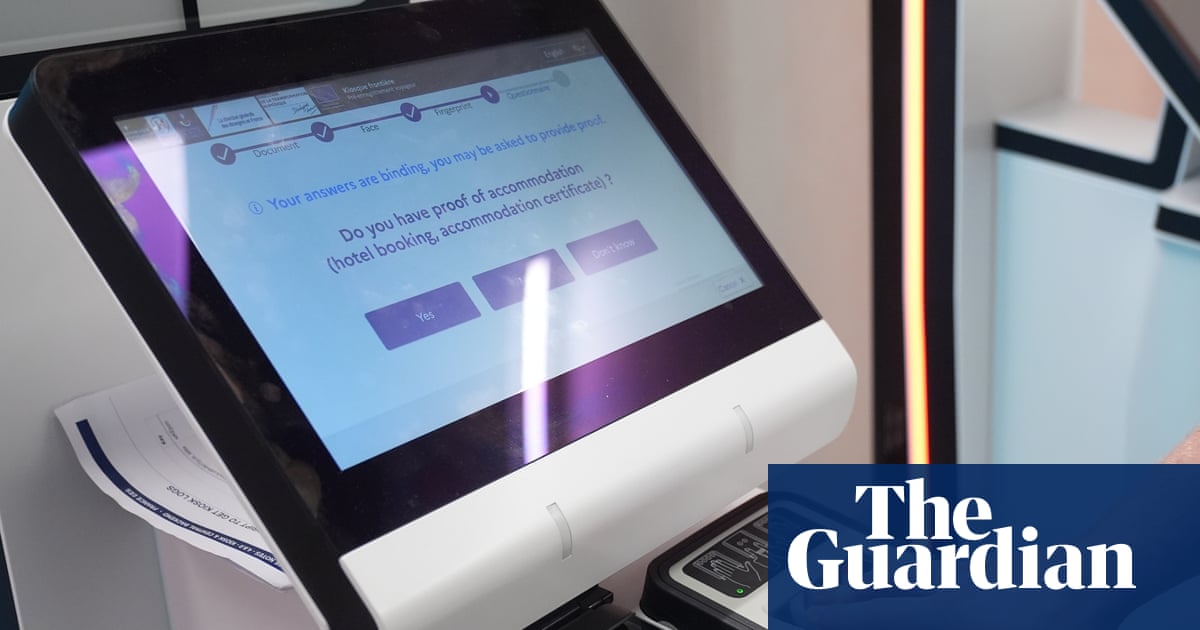
EU to Launch Digital Border System, Replacing Passport Stamps
The European Union is implementing a new digital border management system, the Entry/Exit System (EES), beginning Sunday, October 12th, which will replace traditional passport stamps for travelers from non-EU countries.
The EES will apply to citizens traveling to the 29 countries within the Schengen Area – encompassing 25 EU nations plus Switzerland, Norway, Lichtenstein, and Iceland – and will log travelers’ biometric data, including facial scans and fingerprints, alongside entry and exit dates. Ireland and Cyprus will continue to use manual passport processing, and the United Kingdom is not included in the Schengen Area. According to the EU’s official website, the system aims to “gradually replace passport stamps with a digital system that records when travellers enter and exit, making border checks faster and helping staff to work more efficiently.”
Travelers will be required to answer Schengen border code questions upon arrival, creating a record stored for three years, after which only fingerprints or photographs will be used for re-entry. While the system is free to use, the Australian government’s Smartraveller site warns of potential delays during the initial rollout. This shift towards digitized border control reflects a broader trend in international security measures and data collection. Short stays are defined as up to 90 days within any 180-day period, as detailed by Travel Europe.
The EES will be fully operational by April 10, 2026, and officials state it is also intended to prevent irregular migration and enhance security by providing border enforcement with increased access to traveler information. Travelers planning stays longer than 180 days should review visa waiver agreements with individual Schengen countries, such as Austria, Belgium, and Germany.
The EU anticipates the system will eventually streamline border crossings, but travelers should be prepared for longer queues in the initial phase of implementation.
