
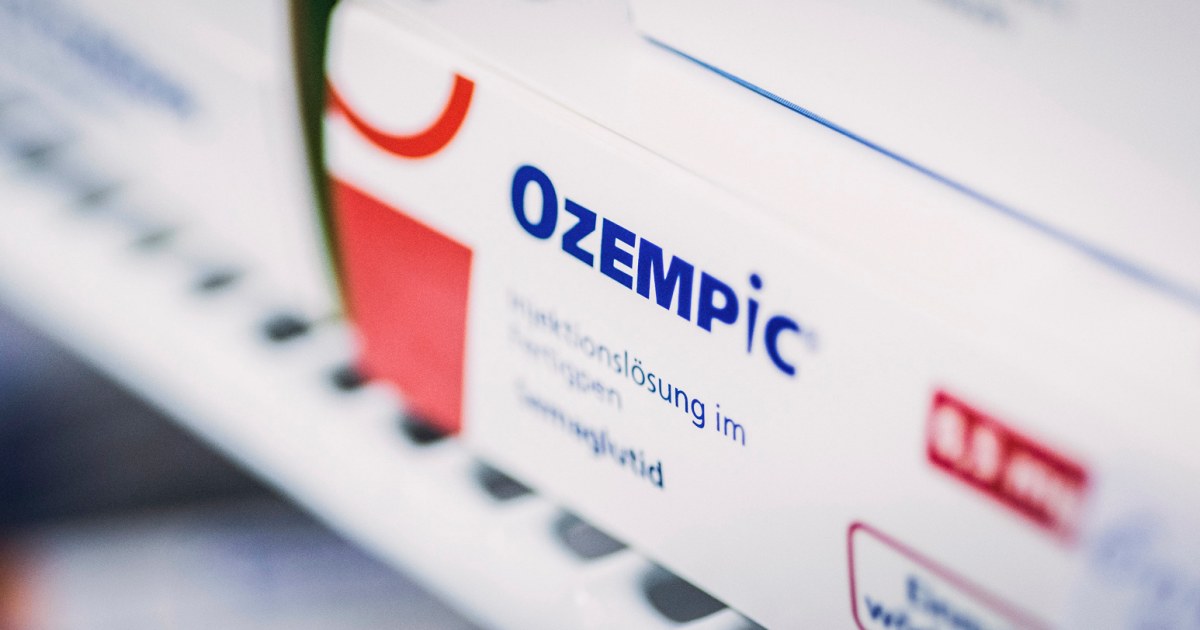
Are anti-obesity medications truly the future of weight loss, or are we overlooking potential risks? This article explores the evolving landscape of anti-obesity drugs, from the rise of counterfeit medications to innovative therapies on the horizon. Discover the trends,challenges,and ethical considerations shaping the future of anti-obesity treatments in this rapidly growing market.
The recent surge in demand for medications like Ozempic and Wegovy,initially designed for diabetes but increasingly used for weight loss,has brought both opportunities and challenges. The FDA‘s warnings about counterfeit versions highlight the complexities of this rapidly evolving market. Let’s delve into the potential future trends shaping the landscape of anti-obesity drugs.
Counterfeit Drugs: A Growing Threat
The proliferation of counterfeit Ozempic underscores a critical issue: the vulnerability of the pharmaceutical supply chain. As demand skyrockets, so does the incentive for illicit actors. This isn’t just a problem for Ozempic; other high-demand medications are also at risk. The FDA’s actions,including seizures and warnings,are crucial,but they are reactive measures. Proactive strategies are needed.
Pro Tip: Always purchase medications from licensed pharmacies and verify the authenticity of the product. Check for lot numbers and serial numbers, and report any suspicious activity to the FDA.
Compounded Medications: A Double-Edged Sword
Compounded versions of drugs like semaglutide (the active ingredient in Ozempic and Wegovy) have gained popularity, especially during shortages. While compounding can provide access to medications, it also raises concerns. The FDA regulates compounding pharmacies, but the quality and safety of compounded drugs can vary. The agency’s stance on compounded versions, particularly when commercial products are available, is evolving.
Did you know? Compounding pharmacies mix, alter, or combine drug ingredients to create a medication tailored to an individual patient’s needs. This is different from mass-produced drugs.
The Rise of GLP-1 Receptor Agonists and Beyond
GLP-1 receptor agonists,like semaglutide and liraglutide (another drug used for weight loss),have demonstrated remarkable efficacy in weight management. Though,the future of anti-obesity medications extends beyond this class. Research is actively exploring new targets and mechanisms, including:
- Combination Therapies: Combining GLP-1 agonists with other drugs, such as amylin analogs or glucose-dependent insulinotropic polypeptide (GIP) receptor agonists, to enhance weight loss and improve metabolic outcomes.
- Novel targets: Investigating new targets in the brain and gut to regulate appetite, metabolism, and energy expenditure.
- Oral Medications: developing oral formulations of GLP-1 agonists to improve patient convenience and adherence.
Addressing the Ethical and Societal Implications
The widespread use of anti-obesity medications raises ethical and societal questions. Access to thes drugs, affordability, and the potential for misuse are all significant considerations. Healthcare providers, policymakers, and pharmaceutical companies must work together to ensure responsible use and equitable access.
Reader Question: How can we ensure that these medications are used safely and effectively, and that they don’t exacerbate existing health disparities?
Data and Market Trends
The market for anti-obesity medications is booming. According to recent reports, the global weight loss drugs market is projected to reach billions of dollars in the coming years. this growth is fueled by increasing rates of obesity, the effectiveness of new medications, and growing awareness of the health risks associated with excess weight. Though, this growth also attracts counterfeiters and necessitates stricter regulations.
The Role of Technology and Personalized Medicine
Technology will play a crucial role in the future of anti-obesity treatments. Telemedicine, wearable devices, and digital health platforms can enhance patient monitoring, provide personalized support, and improve adherence to treatment plans. Genetic testing and other diagnostic tools may help identify individuals who are most likely to benefit from specific medications.
Did you know? Some companies are using artificial intelligence to analyze patient data and predict the effectiveness of different weight loss strategies.
The landscape of anti-obesity medications is dynamic and complex. By staying informed about the latest trends, challenges, and innovations, we can better navigate this evolving field and work towards a healthier future.
What are your thoughts on the future of weight loss medications? share your comments and insights below!
