
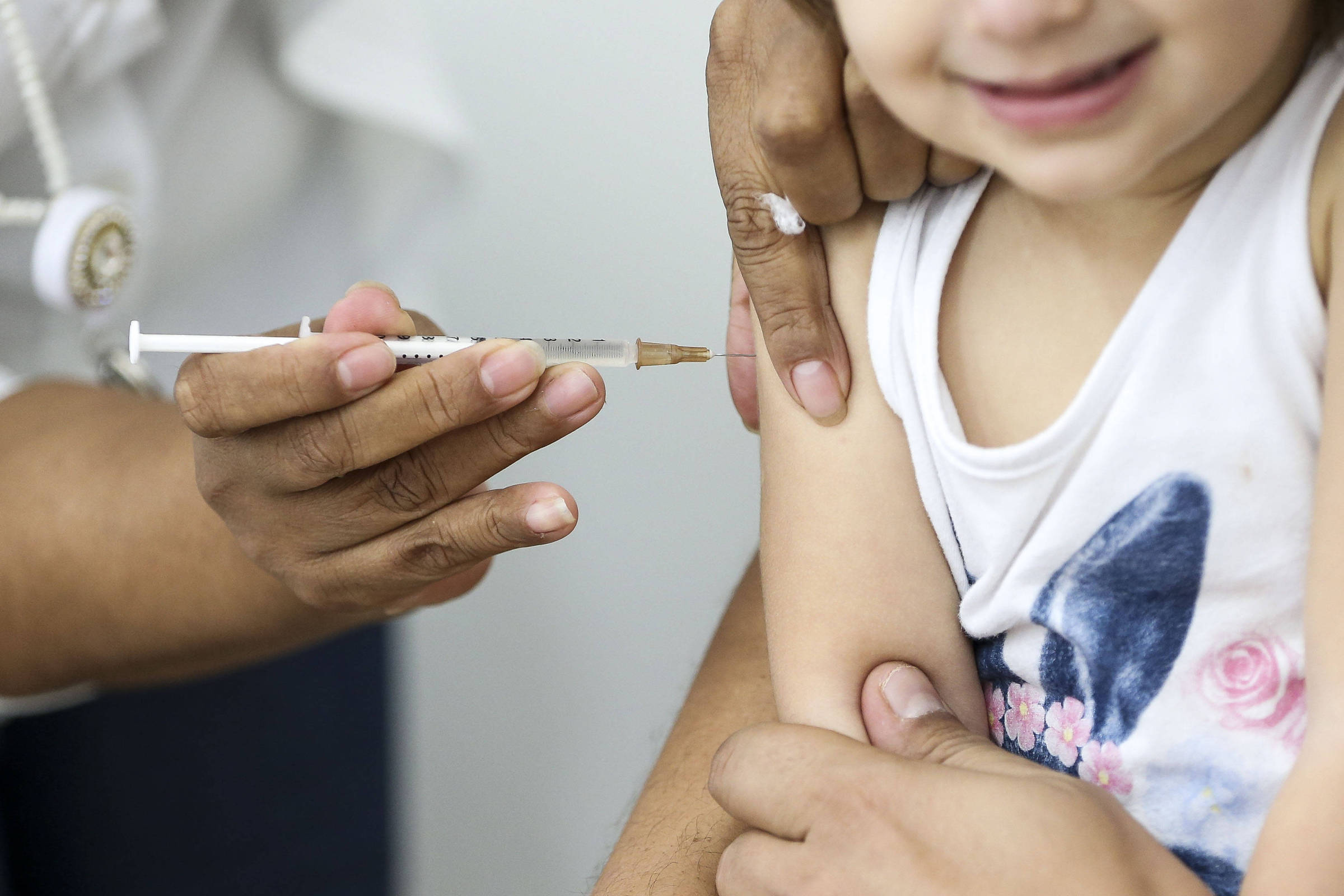
Measles Surge in World Cup Hosts: Experts Warn of Vaccine Gaps for Families Traveling in 2026

0 comments
Measles Outbreaks in Host Nations Demand Vaccine Updates Before Travel

The 2026 FIFA World Cup is less than a year away, and with it comes a surge in travel-related health risks—especially for families taking children to the games. As of Sunday, June 7, 2026, health officials across Brazil and the Americas are sounding the alarm: a resurgence of measles outbreaks in host countries (the U.S., Mexico, and Canada) threatens to turn stadiums, airports, and flights into hotspots for preventable infections. The solution? A vaccine push that’s both urgent and often overlooked by travelers.

Measles Outbreaks in Host Nations Demand Vaccine Updates Before Travel

The World Health Organization (WHO) and Brazil’s Ministry of Health have issued joint warnings: measles cases in the U.S., Mexico, and Canada have spiked in 2026, with the Pan American Health Organization (PAHO) reporting over 20,000 cases across the Americas in the first half of the year alone. The risk isn’t just theoretical—two confirmed measles cases in Brazil this year were linked to travelers returning from international destinations, and health officials say the Copa do Mundo could amplify that threat exponentially. “The virus spreads like wildfire in crowded spaces,” says a Ministry of Health spokesperson, emphasizing that airports, flights, and stadiums are prime transmission zones. The stakes are higher for children, whose immune systems are still developing, but unvaccinated adults are equally vulnerable.
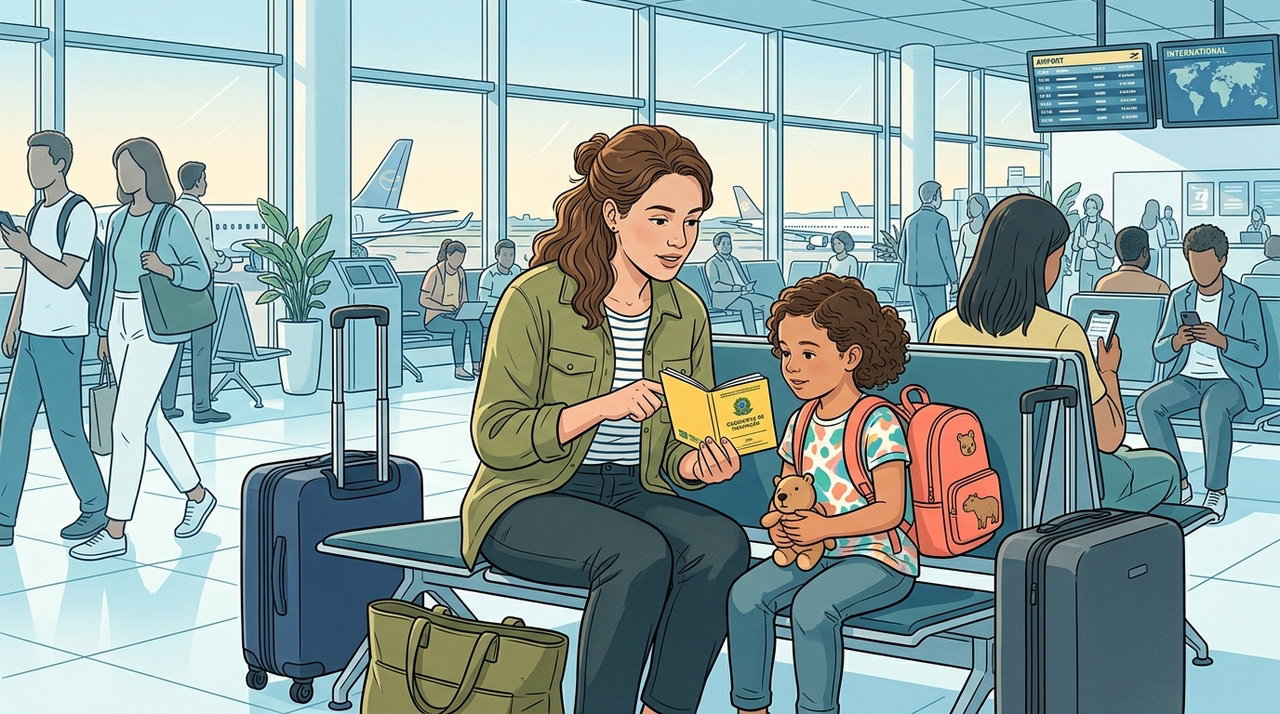
Measles Outbreaks in Host Nations Demand Vaccine Updates Before Travel
Photo: Tua Saúde
What makes this outbreak particularly dangerous is its timing. The Northern Hemisphere summer—when the World Cup kicks off on June 11—coincides with peak measles season in North America. Unlike COVID-19, which saw global vaccination campaigns, measles immunity has eroded in parts of the U.S. and Latin America due to declining vaccination rates. A 2019–2025 study published in Travel Medicine and Infectious Disease found that 70% of measles cases in international travelers during that period involved people with incomplete or no vaccination records. With the World Cup drawing millions of spectators from around the globe, public health experts warn of a “perfect storm” for cross-border transmission.

Who Needs the Measles Vaccine—and When?

Brazil’s Programa Nacional de Imunizações (PNI) has updated its guidelines for travelers, with a focus on three critical groups:

Who Needs the Measles Vaccine—and When?
Photo: Rádio Mirador
  • Children aged 6–11 months: Eligible for an “emergency dose” (not part of the standard schedule) if traveling to high-risk areas. This dose is temporary and must be followed by the full two-dose series at 12 and 15 months.
  • Individuals aged 12–29: Require two doses of the measles-mumps-rubella (MMR) vaccine. The first dose is typically given at 12 months, with the second at 15 months. Adults in this age group who lack proof of vaccination should schedule both doses.
  • Adults aged 30–59: Need at least one dose, regardless of prior vaccination history. Healthcare workers and those in high-risk professions must show proof of two doses.
  • Adults over 60: Generally considered protected if vaccinated as children, but those with uncertain records should verify their status.
The catch? The vaccine must be administered at least 15 days before travel to ensure immunity kicks in. Many parents and travelers assume they can get vaccinated at the last minute, but health officials stress that this timeline is non-negotiable. “We’ve seen cases where people show up at the airport with a fresh vaccine and still get infected,” warns João Augusto Fuck, director of Brazil’s Diretoria de Vigilância Epidemiológica (Dive). “The virus incubates for up to two weeks—by the time symptoms appear, you’ve already exposed dozens of people.”

For more on this story, see Medellín Boosts Measles Vaccination for 2026 World Cup Travelers.

For those without access to the MMR vaccine, Brazil’s public health system (SUS) offers the tríplice viral (measles, mumps, rubella) and tetraviral (adds chickenpox) vaccines. In São Paulo, vaccination sites are open seven days a week, with extended hours during peak travel periods. The city has also expanded eligibility for the pneumococcal vaccine—a critical protection against pneumonia and meningitis—for children under 5, given the high risk of respiratory infections in crowded venues.

Beyond Measles: The Hidden Risks of Stadiums and Flights

Measles isn’t the only threat. With millions of people packed into stadiums, airports, and transit hubs, respiratory diseases like influenza, COVID-19, and bacterial infections (such as pneumococcal pneumonia) are also top concerns. Eduardo Jorge da Fonseca Lima, president of the Sociedade Brasileira de Pediatria’s immunization department, highlights the often-overlooked dangers: “We’re seeing a rise in pneumococcal cases in children under 5, and with the World Cup, the risk skyrockets. The pneumococcal vaccine is especially critical for infants and toddlers, but adults with weakened immune systems should also consider it.”

Snohomish County concerned about measles spread for World Cup | FOX 13 Seattle
The SUS is rolling out an updated pneumococcal 20-valent vaccine starting mid-June, replacing older versions that covered fewer strains. This vaccine is now available to:

Beyond Measles: The Hidden Risks of Stadiums and Flights
Photo: G1
  • Children under 5 (regardless of prior vaccination status).
  • Indigenous populations over 5 with no vaccination history.
  • Adults over 60 who are bedridden or have chronic health conditions.
  • Individuals with specific clinical vulnerabilities (e.g., HIV, diabetes, or asthma).
In addition to vaccines, health officials are urging travelers to adopt basic but effective precautions:

“If any child—or anyone they’ve been in contact with—shows respiratory symptoms, handwashing becomes non-negotiable. We’ve all forgotten how powerful this simple measure is after years of COVID fatigue, but it’s one of the best defenses against viral spread.”

The quote, from a Ministry of Health official, underscores a broader shift: while masks were ubiquitous during the pandemic, their use during respiratory illness is now being revived as a key preventive measure. Experts also recommend avoiding raw foods like mayonnaise-based dishes in crowded settings—a nod to the risk of Salmonella contamination in high-heat environments.

What Happens If You Skip the Vaccine?

The consequences of skipping vaccinations aren’t hypothetical. In 2025, Brazil recorded 38 measles cases—all linked to unvaccinated travelers or contacts of infected individuals. This year, two cases have already been confirmed in different states, both in people with no vaccination records. The disease itself is highly contagious: a single infected person can spread measles to 18 others on average. Symptoms—fever, cough, red rash, and in severe cases, pneumonia or encephalitis—can take up to two weeks to appear, leaving ample time for unknowing travelers to infect others.

For families planning trips to the World Cup, the message is clear: act now. Vaccination sites in Brazil are fully stocked, and many cities (including São Paulo) have extended hours to accommodate last-minute travelers. However, the 15-day window before departure means those leaving in the next two weeks may already be too late. “We’re seeing a rush of parents bringing their kids in now, but it’s not too late for adults to get their shots,” says Fuck. “The key is not to wait until the last minute.”

The Bigger Picture: Why This Matters Beyond the World Cup

The 2026 World Cup isn’t just a sporting event—it’s a microcosm of global health challenges. The resurgence of measles in North America reflects broader trends: declining vaccination rates, misinformation about vaccine safety, and the ease with which diseases cross borders in an interconnected world. Brazil’s proactive stance—expanding vaccine eligibility, extending clinic hours, and targeting high-risk groups—serves as a model for other countries hosting large-scale events.

Yet the risk extends beyond the stadiums. As air travel and mass gatherings become the norm, public health experts warn that outbreaks like this could become more frequent. “This isn’t just a World Cup problem—it’s a reminder that infectious diseases don’t respect borders,” says Lima. “The tools to prevent them exist, but they require planning, awareness, and action before it’s too late.”

For families already packing their bags, the takeaway is straightforward: check your vaccination records, update what’s needed, and don’t assume you’re protected. The World Cup is coming—and with it, a health risk that’s entirely preventable.

You may also like

Leave a Comment

This site uses Akismet to reduce spam. Learn how your comment data is processed.

This website uses cookies to improve your experience. We'll assume you're ok with this, but you can opt-out if you wish. Accept Read More

Privacy & Cookies Policy