
Rwanda is hosting the 46th session of the Ministerial Conference of the Francophonie (CMF) November 19-20,marking the first time the east African nation has held the major diplomatic gathering in its 54-year membership with the association. Centered on the theme “Thirty Years After Beijing: The Contribution of Women in the Francophone Space,” the conference will assess progress toward gender equality across the 90-member International Organization of the Francophonie, revealing persistent challenges despite gains in areas like parliamentary representation – notably Rwanda’s global-leading 63.8% female representation. The meeting at the Kigali Convention Center comes as the Francophonie seeks to bolster its relevance amid geopolitical shifts adn reaffirm its commitment to social innovation and enduring advancement.
Rwanda is hosting the 46th session of the Ministerial Conference of the Francophonie (CMF), beginning November 19, 2025, following the 132nd session of the Permanent Council of the Francophonie on November 18. The meeting, taking place at the Kigali Convention Centre, marks the first time the East African nation has hosted the major diplomatic gathering since becoming a founding member of the organization in 1970.
The conference, which runs through November 20, is centered around the theme: “Thirty Years After Beijing: The Contribution of Women in the Francophone Space.” Thirty years on from the 1995 Beijing World Conference on Women, the 90 member states and governments of the International Organization of the Francophonie (OIF) are assessing progress, finding that full equality has not been achieved in any Francophone country. Significant challenges remain, including the fact that 32% of Francophone women aged 15 to 49 still experience gender-based violence. Parity in education remains incomplete, with persistent gaps in secondary school access, and nearly two-thirds of active women work in the informal sector without social protections. Women represent only 33% of graduates in STEM fields, though some countries, like Rwanda, are seeing success – with 63.8% female representation in parliament, a global high.
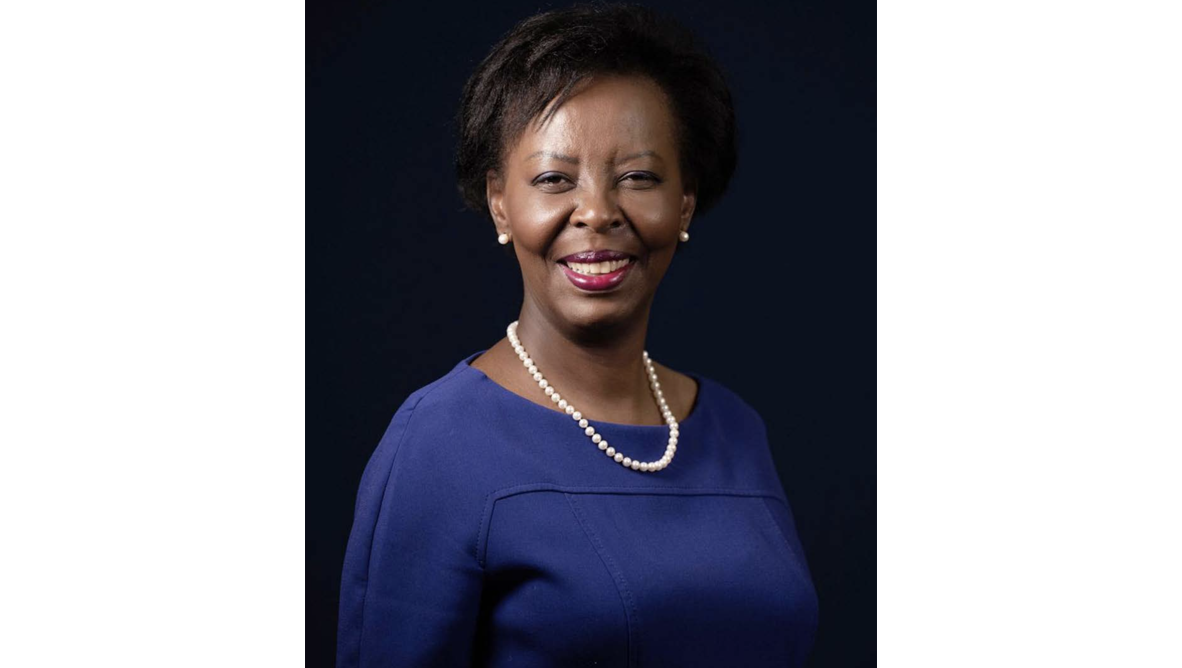
In her opening remarks, Louise Mushikiwabo, Secretary-General of the Francophonie, highlighted the importance of the session amidst a period of heightened geopolitical tensions and fragility in multilateral institutions. She stated the conference should serve to “identify where to strengthen the impact of the Francophonie, act where other institutions struggle to intervene, and listen to our members to better translate their priorities into the action of the OIF.” Despite global uncertainties, Mushikiwabo emphasized the Francophonie’s existing achievements, including improvements in education, support for the French language, entrepreneurship assistance, digital skills development, and the promotion of more inclusive societies.
Since the Beijing conference, the Francophonie has increasingly focused its efforts through an integrated approach built around five key areas: combating discrimination and violence, improving access to education and training, promoting economic empowerment, ensuring participation in decision-making, and institutionalizing gender equality. This commitment was formalized in 2018 with the adoption of the EFH Strategy – the Francophonie’s Strategy for the Promotion of Gender Equality, Women’s Rights, and the Empowerment of Women and Girls – which now guides all OIF programs.
Progress has been made. The La Francophonie with Elles Fund, launched in 2020, has supported the economic and social empowerment of nearly 100,000 women in 36 countries. Economic (2020-2025) and digital (2022-2026) strategies have expanded programs focused on training, digitalization, and female entrepreneurship. The OIF has also achieved gender parity in its leadership positions and is increasing partnerships with UN Women, the Office of the High Commissioner for Human Rights (OHCHR), and civil society organizations. The Francophone Institute for Education and Training (IFEF) has integrated equality into educational policies, notably through the “Education-Equality” standard. The Francophonie is also working to recognize the value of unpaid work performed by women, which represents up to 20% of the Francophone GDP.
The Kigali conference will culminate in the adoption of the Kigali Call to Action, which commits OIF members to strengthening data collection on gender equality, guaranteeing the protection and participation of women in all areas, recognizing the value of domestic work and unpaid care, and promoting sustainable development based on equality.
Beyond the central theme, the CMF agenda includes an opening session dedicated to the CPF report, presentations on the conference theme, a review of the OIF’s administrative and financial matters, and contributions from women scientists, entrepreneurs, artists, and institutional leaders. Ministers will also discuss dates for the 47th CMF, the 20th Francophonie Summit, and the process for electing the next Secretary-General. The handover of the presidency from France to Cambodia will conclude the proceedings, followed by an official press conference.
A live performance at the Kigali Exhibition and Conference Village, and the traditional family photo, will bring the three-day event to a close, celebrating cultural diversity, solidarity, and the French language.
With this 46th Conference, the Francophonie reaffirms its ambition to be a driving force for social innovation, equality, and sustainable development, building on the legacy of Beijing while looking towards the future. “I am confident that these two days of exchange will inspire decisions commensurate with our ambitions,” Mushikiwabo said.
