

Adherence to a Mediterranean-style diet, characterized by high intake of fruits, vegetables, and healthy fats, is associated with reduced anxiety symptoms in adolescents, according to a 2024 meta-analysis published in the journal Nutrients. Researchers identified a consistent correlation between nutrient-dense dietary patterns and improved mental health outcomes in youth populations aged 12 to 18.
Dietary Patterns and Adolescent Mental Health
A systematic review of observational studies published in Nutrients in 2024 evaluated the impact of dietary habits on the mental well-being of teenagers. The data suggests that adolescents who consume higher quantities of plant-based foods, legumes, and omega-3 fatty acids—core components of the Mediterranean diet—report lower levels of psychological distress and anxiety compared to peers consuming high amounts of ultra-processed foods.
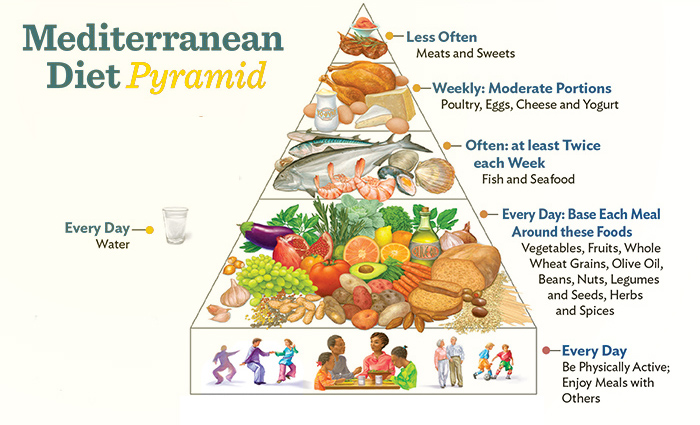
The Mediterranean diet is traditionally defined by a high consumption of olive oil, legumes, unrefined cereals, fruits, and vegetables, a moderate to high consumption of fish, a moderate consumption of dairy products (mostly as cheese and yogurt), and a low consumption of meat and meat products. In the context of adolescent development, these food groups provide a spectrum of micronutrients, including folate, magnesium, and zinc, which are frequently studied for their roles in neurological health.
While the study establishes a strong statistical correlation, it notes that longitudinal clinical trials are still required to determine direct causality. The authors emphasize that dietary interventions should be considered as a complementary approach rather than a replacement for conventional psychiatric care or psychological counseling for adolescents experiencing clinical anxiety.
Biological Mechanisms Influencing Mood
The relationship between diet and anxiety in youth is often attributed to the gut-brain axis, a bidirectional communication network between the gastrointestinal tract and the central nervous system. According to the World Health Organization (WHO) guidelines on adolescent health, the intake of essential vitamins and minerals is critical during the period of brain development occurring throughout the teenage years. The WHO emphasizes that adolescence is a unique phase of life marked by rapid physical, cognitive, and psychosocial growth, necessitating specific nutritional requirements to support long-term physiological health.
Dr. Elena Rossi, a pediatric nutritionist, notes that dietary shifts impact systemic inflammation levels, which are increasingly studied for their role in emotional regulation.
The reduction of pro-inflammatory markers through consistent intake of antioxidants and healthy fats found in Mediterranean-style meals may provide a physiological buffer against stress for developing adolescent brains.Dr.
Beyond inflammation, researchers are investigating how dietary fiber influences the gut microbiome. A diverse microbiome is essential for the production of neurotransmitters such as serotonin, a significant portion of which is synthesized in the gut. The Mediterranean diet, rich in prebiotic fibers, supports the growth of beneficial bacteria that may influence mood-regulating pathways.
Limitations in Current Research
Despite the positive associations reported, the research landscape is marked by methodological challenges. Many existing studies rely on self-reported dietary surveys, which can be subject to recall bias. Furthermore, the 2024 Nutrients review highlighted that socioeconomic factors often influence both dietary choices and mental health outcomes, making it difficult to isolate nutrition as the sole variable. Access to fresh produce, the presence of “food deserts,” and the affordability of nutrient-dense versus ultra-processed foods are significant confounding variables in public health research.
For more on this story, see Dietitian Reveals 5 Whole-Grain Carbs That Fight Chronic Inflammation.
When comparing this research to previous findings from 2022, there is a consistent trend toward recognizing nutrition as a significant lifestyle factor in mental health. However, researchers caution against oversimplifying the findings. Environmental stressors, sleep patterns, and physical activity levels remain primary variables that must be accounted for in any comprehensive assessment of adolescent anxiety. For instance, the timing of meals and the regularity of food intake are often linked to stability in blood glucose levels, which may also influence emotional resilience in teenagers.
Clinical Context and Public Health
In clinical practice, the assessment of mental health often includes an evaluation of lifestyle factors, including sleep hygiene, substance use, and physical activity. The inclusion of nutritional screening represents a shift toward a more holistic view of adolescent psychiatry. Regulatory bodies and health agencies, such as the Centers for Disease Control and Prevention (CDC), emphasize that while nutrition is a pillar of health, anxiety disorders often require multimodal treatments, which may include cognitive behavioral therapy (CBT) or, when clinically indicated, pharmacological interventions.
The distinction between “anxiety symptoms” and “anxiety disorders” is critical in this research. The 2024 review focuses on the reduction of symptoms. Clinically, an anxiety disorder is diagnosed based on specific criteria involving the duration, intensity, and functional impairment caused by the symptoms. Dietary changes should be viewed as part of a broader health maintenance strategy rather than a targeted treatment for diagnosed disorders.
Future Clinical Directions
Public health experts are currently calling for more controlled, long-term intervention studies to determine if specific dietary changes can serve as a primary preventative measure for anxiety disorders. As of June 2026, the consensus among medical researchers is that while a healthy diet supports overall neurological function, it remains one component of a multifaceted approach to mental health.
Healthcare providers are encouraged to discuss nutritional habits with patients as part of a routine mental health evaluation. This process involves identifying potential nutritional deficiencies and discussing barriers to healthy eating. However, families should not attempt to treat severe anxiety symptoms exclusively through diet, as this may delay access to necessary evidence-based medical treatments.
Consult your healthcare provider regarding any concerns about adolescent anxiety or dietary changes. A qualified professional can provide a personalized assessment, taking into account the individual’s medical history, current symptoms, and overall health needs.
Find more reporting in our Health section.
