
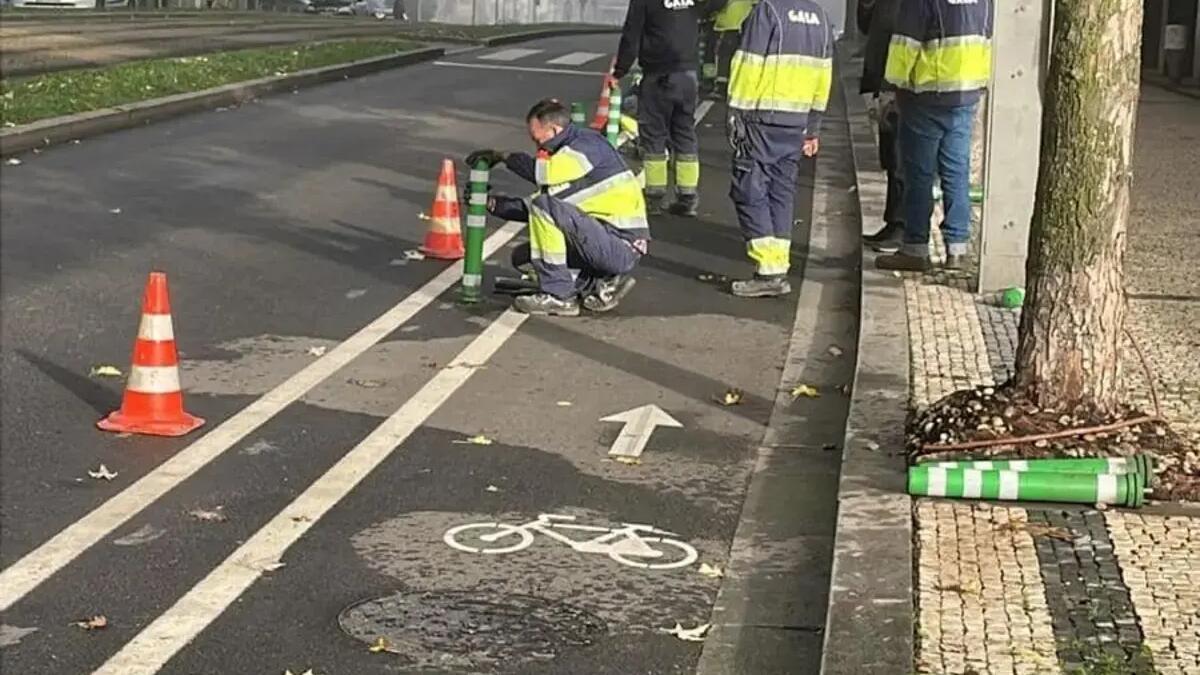
Vila Nova de Gaia’s mayor is moving to dismantle a recently constructed bike lane on Avenida da República,sparking a legal challenge from cycling advocates. teh move to revoke regulations permitting the lane comes as city workers have already begun restoring the space to vehicle parking, reigniting debates over transportation priorities in the Portuguese city. The dispute highlights a growing tension between municipalities seeking to modernize infrastructure and residents pushing for alternative transportation options [[1]], [[2]], [[3]].
The mayor of Vila Nova de Gaia, Portugal, is preparing to revoke municipal traffic regulations that permitted a bike lane on Avenida da República, following the start of its removal by the city. The contested bike lane is currently subject to legal challenge by the cycling advocacy group MUBi.
Luís Filipe Menezes intends to annul the existing ordinances governing the bike lane, effectively eliminating the legal basis for its presence on the avenue. The move comes as city workers have begun dismantling the cycling path, a project that has already drawn opposition from MUBi, which has filed a lawsuit.
In sections where the bike lane has already been removed, parking spaces for vehicles have been reinstated, according to reports. The decision to remove the bike lane and repurpose the space for parking reflects ongoing debates about urban planning and transportation priorities in the city.
The case highlights the challenges faced by municipalities in balancing the needs of cyclists, pedestrians, and drivers in densely populated areas. The removal of the bike lane underscores the potential for legal battles over infrastructure projects that impact different modes of transportation.
