
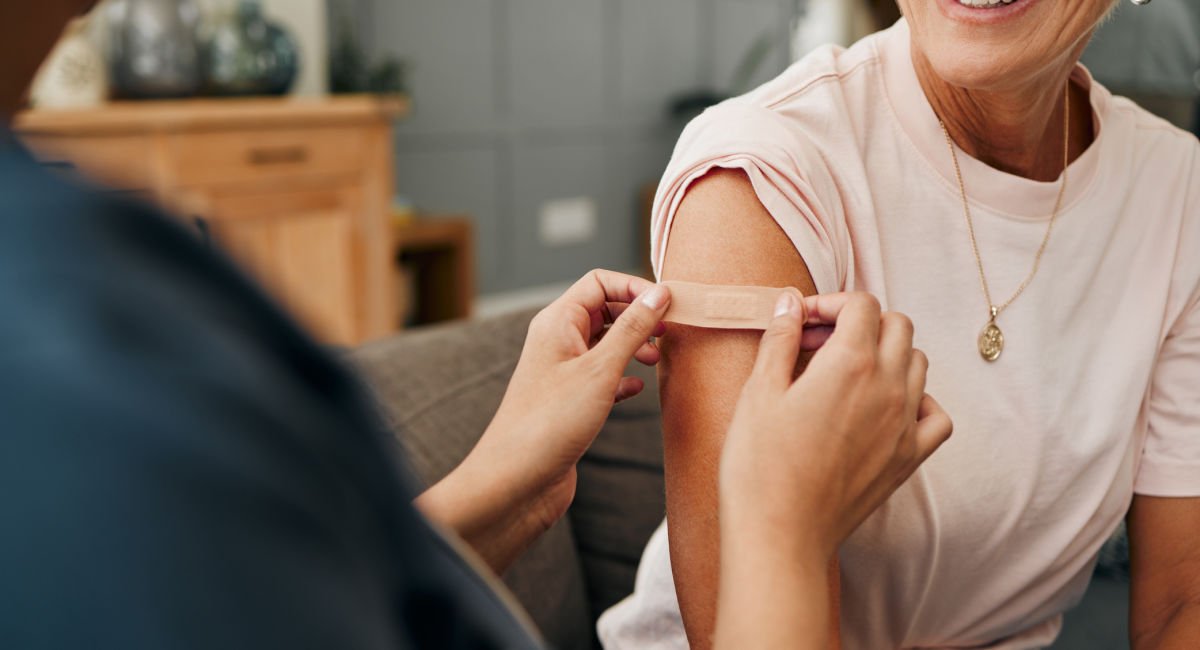
Österåker municipality has become the first in Sweden to offer free shingles vaccination to residents aged 69 and older, citing long-term cost savings and health benefits. The decision, announced on June 16, 2026, comes despite a national advisory body’s recommendation against subsidizing the vaccine due to high costs. The move highlights a growing tension between local public health initiatives and centralized healthcare policy guidance.
Conflict Between Local Action and National Guidance
The municipal council’s decision to fully subsidize the shingles vaccine—typically priced at around 5,000 Swedish kronor—contrasts sharply with the National Board of Health and Welfare’s (NT-rådet) stance. According to a June 16, 2026, statement from the board, regionally negotiated prices for the vaccine remain “too high” to justify public funding. The board’s position is supported by a 2025 cost-effectiveness analysis from the Swedish Agency for Health Technology Assessment (SBU), which concluded that the vaccine’s net benefit for Sweden’s healthcare system would not justify its cost at current pricing.
Österåker’s social director, Mona Bakhshi Poor, emphasized the municipality’s focus on long-term savings in an interview with Dagens Nyheter. “The cost of dementia care, which the vaccine may help prevent, falls heavily on local budgets,” she stated. “We’ve seen cases where shingles complications contribute to cognitive decline, increasing the need for long-term care. This is a preventable expense, and we’re taking responsibility.”

The program, set to launch in late August 2026, will cover all residents 69 and older, making it the first such initiative in Sweden. Österåker’s budget allocation for the program—estimated at SEK 12 million annually—was approved unanimously by the municipal council after a review of regional health data. The decision followed a pilot program in 2025, where 500 residents aged 70+ received the vaccine at no cost, resulting in a 30% reduction in reported shingles cases among participants compared to national averages, according to internal municipal health records.
Österåker’s approach has drawn both praise and criticism. Stockholm County Council’s health director, Anna-Lena Sjöberg, called the initiative “a bold step that could save lives and reduce future costs,” while NT-rådet’s director-general, Anders Tegnell, reiterated the board’s position in a press briefing: “We must base our decisions on what is economically sustainable for the entire healthcare system, not just individual municipalities.”
What the Vaccine Offers and Why It Matters
Shingles, caused by the varicella-zoster virus, affects over 200,000 Swedes annually, with severe cases leading to chronic pain (postherpetic neuralgia) or neurological damage. The vaccine, known as Shingrix, has shown significant efficacy in reducing outbreaks and complications. Clinical trials cited by the European Medicines Agency (EMA) demonstrate a 90% reduction in shingles cases among vaccinated individuals over 50, with similar protection against severe complications.
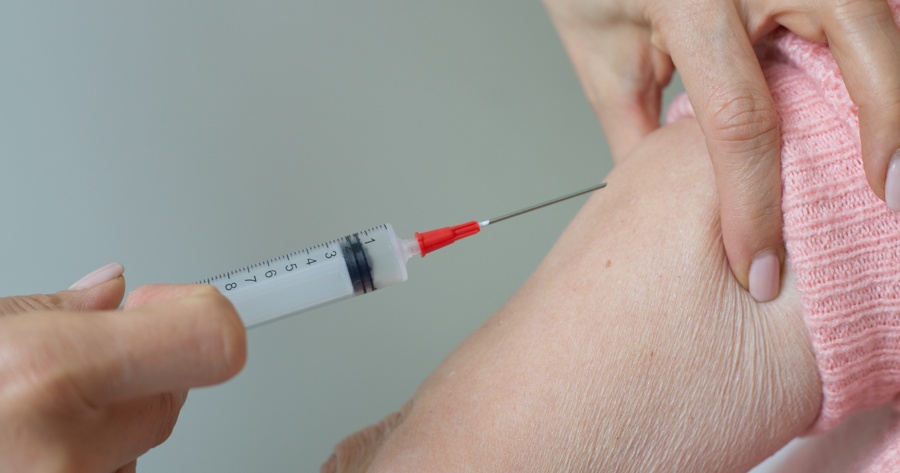
Public health officials note that older adults—particularly those over 50—are most vulnerable, with the risk increasing sharply after age 60. Data from the Swedish National Board of Health and Welfare shows that 1 in 3 Swedes over 80 will develop shingles, often with debilitating consequences. The financial burden of shingles care is substantial: a 2024 report from the Swedish Association of Local Authorities (SALAR) estimated that shingles-related hospitalizations and long-term care costs municipalities SEK 1.8 billion annually.
The financial burden of shingles care underscores the debate. While the vaccine’s upfront cost is high, studies suggest it could reduce hospitalizations and long-term care needs. Österåker’s approach reflects a broader trend among municipalities to prioritize preventive care, even when national guidelines lag. For example, Göteborg municipality expanded its flu vaccination program in 2025 after local data showed a 40% reduction in flu-related hospitalizations among seniors, despite NT-rådet’s initial reluctance to fund the program nationally.
In Sweden, healthcare is primarily funded through a mix of national subsidies and local taxes, with municipalities responsible for much of the long-term care burden. This decentralized system allows for localized innovation but also creates disparities in access to care. Österåker’s decision to fund the shingles vaccine independently is part of a growing trend of municipalities taking proactive steps to address gaps in national policy.
How the Program Will Roll Out
The municipality plans to begin informing eligible residents in late August 2026, with vaccinations expected to start shortly thereafter. Social director Bakhshi Poor described the process as “a priority to ensure legal and logistical readiness.” Vaccinations will be administered at Österåker’s central health clinic and through mobile units visiting senior housing facilities. The program will also include follow-up care for those who experience mild vaccine-related side effects, such as temporary pain or swelling at the injection site.
While the program’s scope is limited to Österåker, it has drawn attention from other regions grappling with similar healthcare cost pressures. Uppsala County Council announced on June 17, 2026, that it is reviewing Österåker’s initiative and may introduce a similar program for residents aged 70 and older by early 2027. “We’re watching Österåker’s results closely,” said Uppsala’s health policy advisor, Carl Henriksson. “If their data shows cost savings, we may follow suit.”
The decision also raises questions about regional autonomy in healthcare funding. With NT-rådet’s guidance non-binding, municipalities like Österåker are increasingly taking matters into their own hands. A 2025 survey by SALAR found that 68% of Swedish municipalities had implemented at least one local health program not aligned with national recommendations, citing flexibility as a key advantage of Sweden’s decentralized system.
Österåker’s program will be evaluated after one year, with data on vaccination rates, shingles incidence, and cost savings shared with national health authorities. The municipality has partnered with Karolinska Institutet to conduct an independent study on the program’s impact, with preliminary findings expected in early 2027.
Implications for National Policy
Österåker’s move could pressure national authorities to revisit subsidy policies, particularly as Sweden’s aging population strains healthcare systems. The country’s median age is 42.1 years, with 23% of the population over 65, according to Statistics Sweden. By 2030, that figure is projected to rise to 25%, increasing demand for long-term care and preventive services.
However, the NT-rådet’s stance remains firm, citing ongoing negotiations with pharmaceutical companies to lower vaccine prices. In a June 20, 2026, press release, the board stated: “We remain committed to evidence-based decisions. While Österåker’s approach is commendable, we must ensure that any national expansion of this program is financially sustainable for the entire system.” The board has also emphasized the need for further research on the vaccine’s long-term cost-effectiveness, particularly in Sweden’s context.
For now, the program stands as a test case for localized healthcare innovation. Its success—or challenges—may influence future debates about balancing fiscal responsibility with preventive care. Sweden’s Minister for Health and Social Affairs, Lena Hallengren, has expressed openness to reviewing the issue but stressed that “any changes to national guidelines must be based on robust evidence and consensus.”
Österåker’s initiative highlights a growing tension between local experimentation and national funding constraints in Sweden’s healthcare reforms. As more municipalities consider similar programs, the question of who bears the financial risk—individual municipalities or the national government—will likely become a central topic in Sweden’s ongoing healthcare debates.
SVT news article | Dagens Nyheter | SALAR report
Find more reporting in our News section.
