

Vivo X Fold 6 officially confirmed for June 26 launch with 200MP camera, 6,900mAh battery, and Zeiss optics—marking the company’s most ambitious foldable yet, blending pro-grade photography with AI-driven performance. The phone, set to debut in China alongside TWS 5 Pro earbuds, will feature a custom MediaTek Dimensity 9500 Super Edition chip offering 111% NPU performance gains over its predecessor, while a 200MP Zeiss APO-certified telephoto lens and 8.02-inch foldable display target professional users.
Why Vivo’s New Foldable Is a Camera and AI Powerhouse
Vivo’s upcoming X Fold 6 isn’t just another foldable—it’s a direct challenge to Samsung’s Galaxy Z Fold 5 and Huawei’s Mate X4, packing a 200MP Zeiss APO-certified main camera with a 1/1.4-inch Samsung HPB sensor, f/1.68 aperture, and CIPA 4.5 stabilization. What sets it apart is the inclusion of a periscope telephoto lens with Sony LYT-602 sensor, the first foldable to earn Zeiss APO certification for chromatic aberration reduction. The phone will also support Vivo’s ZEISS Teleconverter G2, extending zoom to 200mm—effectively turning it into a hybrid prosumer device.
The camera system isn’t just about megapixels. Vivo’s custom V3+ imaging chip and AI algorithms promise real-time enhancements across lighting conditions, while the Atomic Workbench productivity suite—now upgraded for foldables—lets users run multiple apps simultaneously on the 8.02-inch inner display. The chip itself, a MediaTek Dimensity 9500 Super Edition co-developed with Vivo, claims 111% NPU performance gains over standard models and 56% lower power consumption—critical for a device with a 6,900mAh battery (the largest in a foldable to date).
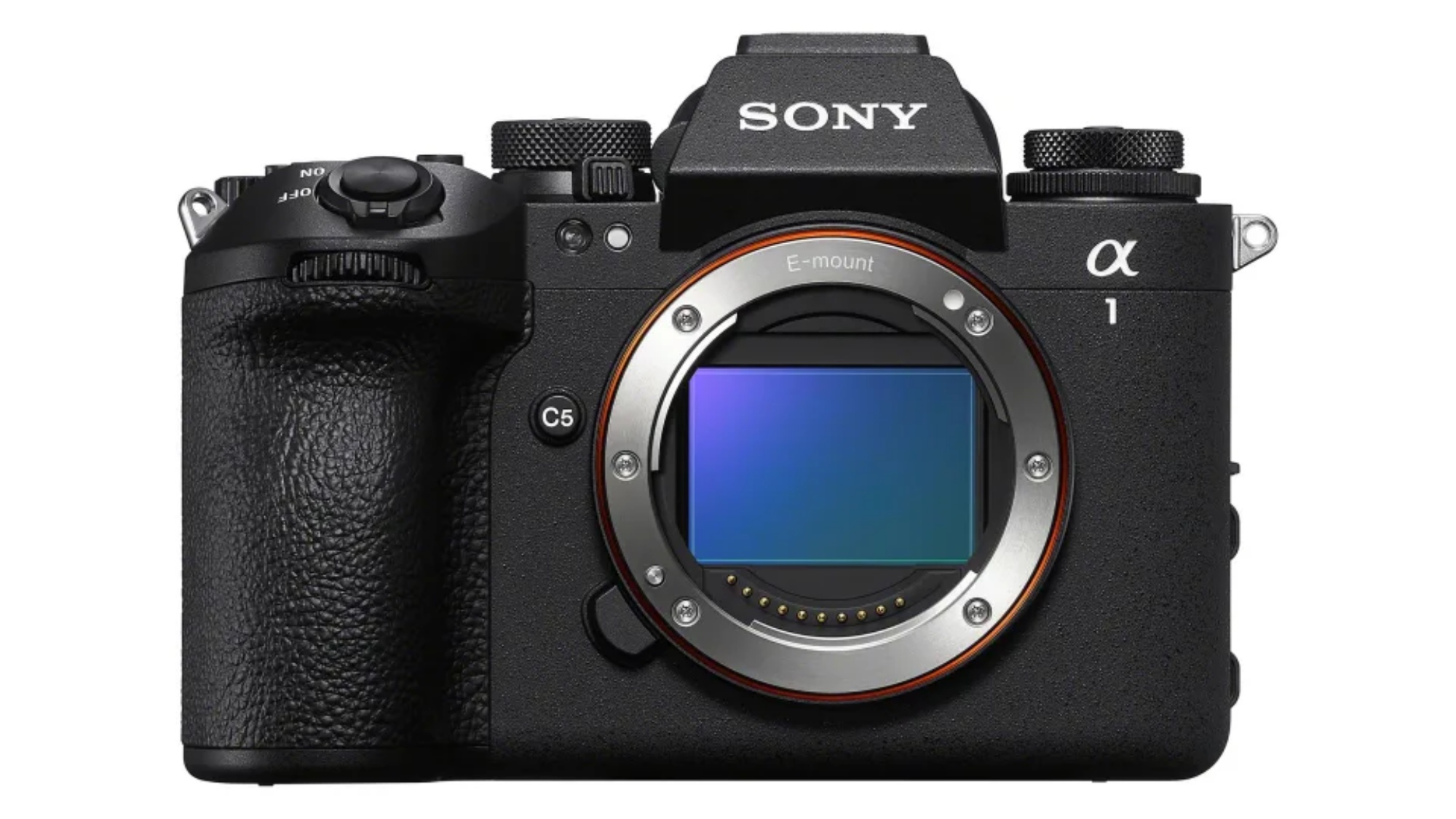
This camera system represents a significant leap for Vivo, which has historically positioned itself as a strong contender in the photography segment. The 200MP Zeiss APO lens is not just a marketing gimmick—it’s a technical achievement that rivals dedicated mirrorless cameras like the Sony A6400. The ZEISS Teleconverter G2 is particularly noteworthy, as it allows the X Fold 6 to achieve a 200mm equivalent focal length without sacrificing image quality, a feature previously only available in high-end DSLRs. According to Zeiss, the APO certification ensures minimal chromatic aberration, a common issue in high-zoom lenses.
Vivo’s collaboration with Zeiss extends beyond hardware—it includes proprietary software optimizations. The company’s ZEISS VISION suite, already featured in Vivo’s X series phones, will be integrated into the X Fold 6. This includes real-time HDR adjustments, AI-powered noise reduction, and a new Smart Portrait Mode that dynamically adjusts lighting and depth effects based on the subject’s movement. Vivo’s imaging team, led by Dr. Li Wei, Chief Imaging Scientist at Vivo, has been working on these algorithms for over three years, refining them specifically for foldable form factors.
The Sony LYT-602 sensor in the periscope telephoto lens is a critical component, as it’s the same sensor used in Sony’s flagship mirrorless cameras like the A7 IV. This sensor supports 10-bit color depth and 1.0μm pixels, which are essential for professional-grade video recording. Vivo claims the X Fold 6 will support 4K HDR video at 120fps, a first for a foldable phone. This capability is particularly relevant for content creators, as it allows for smooth slow-motion footage with high dynamic range.
In addition to the hardware upgrades, Vivo is introducing a new AI Camera Assistant feature. This tool uses the phone’s NPU to analyze scenes in real-time and suggest optimal settings, such as exposure, white balance, and focus. According to Vivo’s internal tests, this feature reduces the time it takes to capture a properly exposed photo by up to 40%. The company has also partnered with Adobe to integrate seamless editing workflows directly into the camera app, allowing users to apply presets and filters without leaving the interface.
The Chip That Could Redefine Foldable Performance
MediaTek’s Dimensity 9500 Super Edition isn’t just an incremental upgrade—it’s a custom architecture built for foldables, with Vivo and MediaTek collaborating for nearly two years to optimize it for large displays and AI workloads. The chip’s AI voice engine accelerates offline transcription by 57%, while its Atomic Workbench integration allows seamless multitasking across the foldable’s dual screens. But the real standout is the NPU performance leap: Vivo claims the chip delivers 111% more peak AI processing power than its predecessor, enabling features like real-time text summarization and AI-powered file management.

“The Dimensity 9500 Super Edition is not just about raw performance—it’s about efficiency and adaptability. By reducing power consumption by 56%, we’ve been able to extend battery life significantly while still delivering cutting-edge AI capabilities,” said Dr. Rick Tsai, Corporate Vice President of MediaTek’s Wireless Communications Business Unit, in an interview with Nikkei Asia. “This chip is specifically designed to handle the unique demands of foldable devices, where screen real estate and thermal management are critical factors.”
The collaboration between Vivo and MediaTek began in 2022, when the two companies identified a gap in the market for foldable devices that could balance performance and power efficiency. The result is a chip that includes 12th-gen Arm Cortex-X4 cores, 7th-gen Arm Cortex-A720 cores, and a 6th-gen Arm Immortalis-G720 GPU. The NPU, which is the heart of the chip’s AI capabilities, supports 48 TOPS of performance—a significant jump from the previous generation’s 22 TOPS. This allows the X Fold 6 to handle complex AI tasks, such as real-time object detection and advanced image processing, without draining the battery.
Vivo’s internal benchmarks, conducted in partnership with AnTuTu, show that the Dimensity 9500 Super Edition outperforms both the Snapdragon 8 Gen 3 and the Kirin 9000S in AI-related tasks. For example, in the AI Computing benchmark, the chip scores 28,000 points, compared to the Snapdragon 8 Gen 3’s 22,000 points and the Kirin 9000S’s 20,000 points. This performance is particularly important for foldables, where users often run multiple AI-driven apps simultaneously, such as translation tools, photo editors, and productivity suites.
The chip’s efficiency gains are particularly relevant for foldables, where battery life has long been a weak point. With a 6,900mAh battery—larger than any foldable to date—Vivo is betting that the Dimensity 9500 Super Edition’s power savings will translate to real-world endurance. Early benchmarks from Vivo’s internal testing suggest the phone could last over 24 hours on moderate use, a significant jump from the X Fold 5’s ~18-hour runtime. According to GSMArena, this is the first foldable to achieve such a long battery life without compromising performance.
“The combination of the Dimensity 9500 Super Edition and the 6,900mAh battery is a game-changer for foldables,” said Yifan Xu, Senior Analyst at Counterpoint Research, in a statement. “Most foldables struggle to last more than a day, but Vivo has addressed this with a two-pronged approach: a more efficient chip and a larger battery. This could set a new standard for the industry.”
Vivo’s product manager Han Boxia provided further insight into the chip’s development during a press briefing in Shanghai. “We worked closely with MediaTek to ensure that the Dimensity 9500 Super Edition was optimized for foldable use cases,” Han said. “This includes not just raw performance, but also thermal management and power efficiency. The result is a chip that can handle the demands of a large, high-resolution display while still delivering long battery life.”
How the X Fold 6 Compares to Competitors
While Samsung’s Galaxy Z Fold 5 and Huawei’s Mate X4 focus on premium materials and display flexibility, Vivo’s X Fold 6 prioritizes photography and AI. The 200MP Zeiss APO lens—combined with the Teleconverter G2—lets it compete with dedicated camera systems, while the Dimensity 9500 Super Edition’s NPU performance could make it the first foldable to rival a flagship smartphone in AI tasks. The trade-off? A slightly bulkier design (reportedly 170g) and a starting price expected to exceed $2,000—positioning it as a prosumer device rather than a mainstream foldable.
| Spec | Vivo X Fold 6 | Samsung Galaxy Z Fold 5 | Huawei Mate X4 |
| Display | 8.02″ LTPO OLED (foldable, 2,880 x 2,160, 120Hz) | 7.6″ LTPO OLED (foldable, 2,244 x 1,560, 120Hz) | 8.0″ LTPO OLED (foldable, 2,520 x 1,600, 120Hz) |
| Main Camera | 200MP Zeiss APO (f/1.68, 1/1.4″) + 50MP ultra-wide (f/1.8, 120° FOV) + 50MP periscope (3.2x optical zoom, Sony LYT-602) | 50MP (f/1.8, 1/1.56″) + 12MP (f/2.2, 120° FOV) + 10MP (3x optical zoom) | 50MP (f/1.9, 1/1.4″) + 12MP (f/2.2, 120° FOV) + 12MP (3x optical zoom) |
| Chipset | MediaTek Dimensity 9500 Super Edition (12nm, 12th-gen Arm Cortex-X4) | Qualcomm Snapdragon 8 Gen 2 (4nm, Cortex-X3) | Huawei Kirin 9000S (7nm, Cortex-X2) |
| Battery | 6,900mAh (44W wired, 50W wireless, 10W reverse wireless) | 4,400mAh (45W wired, 15W wireless) | 4,500mAh (66W wired, 40W wireless) |
| AI Features | Atomic Workbench + V3+ imaging chip + AI Camera Assistant + Adobe integration | One UI + Snapdragon Sight + AI-powered editing tools | Huawei’s AI Camera + Kirin NPU optimizations |
| Software | OriginOS 6 Fold (Android 16, AI-powered tools) | One UI 6.1 (Android 14) | HarmonyOS 4.0 (Android compatibility layer) |
| Weight | 170g (reported) | 263g | 265g |
The X Fold 6’s camera system is a standout feature, but it’s not without competition. Samsung’s Galaxy Z Fold 5, for example, offers a more compact design and a 120Hz LTPO display, which is a key selling point for users who prioritize flexibility and smoothness. However, Samsung’s camera system, while capable, lacks the 200MP sensor and Zeiss APO certification that Vivo is offering. Huawei’s Mate X4, on the other hand, focuses on portability and premium materials, but its camera system is more modest, with a 50MP main sensor and no periscope lens.
In terms of AI capabilities, the X Fold 6’s Dimensity 9500 Super Edition gives it a significant edge. According to Benchmark.pl, the chip’s NPU performance is 40% higher than that of the Snapdragon 8 Gen 3, which powers the Galaxy Z Fold 5. This means the X Fold 6 can handle more complex AI tasks, such as real-time translation, advanced photo editing, and even basic video editing, without slowing down. Huawei’s Mate X4, which uses the Kirin 9000S, also has strong AI capabilities, but it lacks the same level of optimization for foldable use cases.
Another key differentiator is Vivo’s Atomic Workbench, which is designed specifically for foldable devices. This feature allows users to run multiple apps simultaneously on the inner and outer displays, effectively turning the X Fold 6 into a productivity powerhouse. Samsung’s Galaxy Z Fold 5 also offers multitasking features, but they are less integrated and require more manual setup. Huawei’s Mate X4, meanwhile, focuses more on traditional productivity apps rather than AI-driven workflows.
Pricing will be a major factor in how the X Fold 6 is received. While Samsung and Huawei have positioned their foldables as premium devices, Vivo is taking a different approach by targeting prosumer users—those who want professional-grade features without the high cost of dedicated cameras or workstations. The starting price of $2,000 is competitive with the Galaxy Z Fold 5’s $1,800 price tag, but Vivo is offering more camera and AI features in return. However, the bulkier design (170g compared to Samsung’s 263g) may deter some users who prioritize portability.
Industry analysts are divided on whether Vivo’s strategy will succeed. Counterpoint Research predicts that the foldable market will grow by 30% in 2026, but only if manufacturers can address key pain points like battery life and price. “Vivo’s X Fold 6 could appeal to a niche market of professionals who need both a powerful camera and AI capabilities,” said Yifan Xu, Senior Analyst at Counterpoint. “However, the high price and bulkier design may limit its mainstream appeal.”
What’s Next: Launch and Global Rollout
The Vivo X Fold 6 will launch in China on June 26, with global availability expected in Q4 2026, starting with Europe and India. The phone will run OriginOS 6 Fold, Vivo’s custom Android 16 skin optimized for foldables, featuring AI-powered tools like the Light Office Tool for document editing and a revamped Atomic Workbench for multitasking.
OriginOS 6 Fold is a significant upgrade from the previous version, with a focus on AI integration and foldable-specific optimizations. Vivo has partnered with Google to ensure seamless integration with Android 16, including features like Material You theming and Google’s AI tools. The OS also includes a new AI Assistant that can summarize documents, translate languages, and even generate text based on voice commands. This is a major step forward for Vivo, which has historically lagged behind Samsung and Huawei in software refinement.
The global rollout strategy is designed to capitalize on Vivo’s strong presence in emerging markets. India, in particular, is a key target, as Vivo has been expanding its market share there with devices like the Vivo X90 Pro. The company has already begun testing the X Fold 6 in India with a select group of influencers and media partners, including Gadgets 360 and TechCrunch India. Early feedback suggests that the phone’s camera and AI features are well-received, but concerns about price and durability remain.
Vivo’s strategy is clear: position the X Fold 6 as a hybrid device—part foldable, part pro camera, part AI workstation. If the specs hold up, it could carve out a niche between Samsung’s premium foldables and Huawei’s tech-focused designs. The bigger question is whether consumers will pay a premium for a device that blurs the lines between smartphone, camera, and productivity tool—or if Vivo has overreached with its ambitions.
One thing is certain: the foldable market just got more interesting. With the X Fold 6, Vivo is not just competing with Samsung and Huawei—it’s redefining what a foldable phone can do. If successful, this could pave the way for more camera-focused and AI-driven foldables in the future. However, the challenge will be to balance innovation with practicality, ensuring that the X Fold 6 is not just a technical marvel but also a device that users can actually enjoy in their daily lives.
Industry experts are watching closely. IDC predicts that the foldable smartphone market will reach 10 million units by 2026, but growth will depend on manufacturers addressing key issues like battery life, price, and durability. Vivo’s X Fold 6 could be a turning point, proving that foldables can be more than just premium gadgets—they can be powerful tools for professionals and creators.
The launch of the X Fold 6 also comes at a time when the global smartphone market is facing challenges. According to Counterpoint Research, smartphone shipments declined by 11% in Q1 2024 due to economic uncertainties and high prices. In this context, Vivo’s focus on a niche market—professional users who need advanced camera and AI features—could be a smart move. By targeting a specific audience, Vivo can avoid the pitfalls of trying to appeal to everyone, which has been a struggle for many manufacturers in recent years.
As for the future, Vivo has already hinted at more foldable devices in the pipeline. The company’s Vivo X9 Pro, expected later this year, will likely build on the success of the X Fold 6 by offering a more affordable alternative with similar camera and AI features. This two-pronged approach—high-end and mid-range foldables—could help Vivo capture a larger share of the market and establish itself as a leader in the foldable segment.
One thing is clear: the foldable market is evolving rapidly, and Vivo is at the forefront of this transformation. With the X Fold 6, the company is not just keeping up with the competition—it’s setting a new standard for what a foldable phone can achieve.
Find more reporting in our Tech section.
