
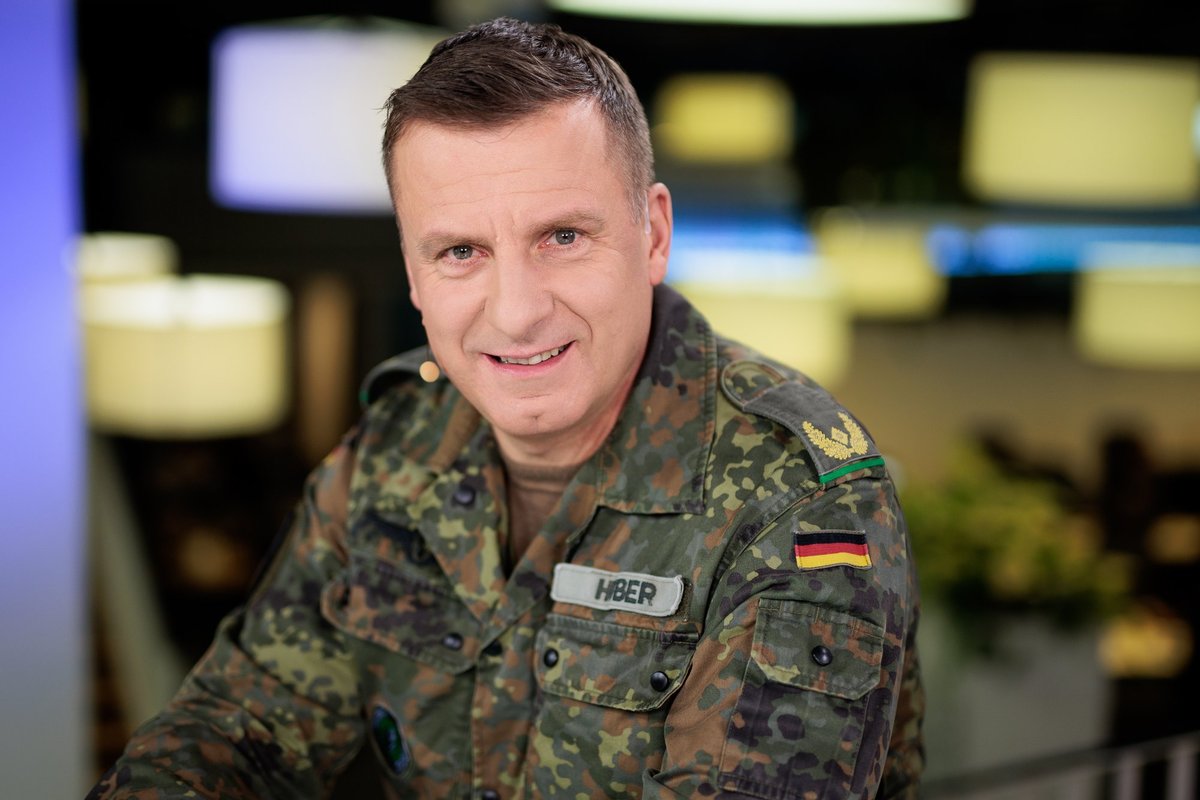
Germany’s 45th Armoured Brigade “Lithuania” is conducting its first major drills in Lithuania this week, deploying hundreds of modern tanks, armored personnel carriers, and drone warfare systems in a direct response to escalating threats along NATO’s eastern flank. The exercises—codenamed “Freedom Shield 2026-I”—involve 2,900 troops from eight NATO nations and mark a pivotal moment as the brigade prepares to transition from rotational deployments to a permanent presence by 2027. With Russian aggression in Ukraine casting long shadows over Europe, the drills send a deliberate message: Germany is doubling down on its defense commitments in the Baltics.
Why This Drill Is More Than Just Training
The scale of this week’s exercises at Lithuania’s General Silvestras Žukauskas Training Ground near Pabrade is unprecedented. According to Delfi.lt, the brigade has assembled 800 pieces of heavy equipment—including Leopard 2 tanks, Puma infantry fighting vehicles, and a mix of NATO-provided artillery and air defense systems. What makes these drills stand out isn’t just the hardware, but the tactics: for the first time, German forces are integrating kamikaze drones, counter-drone nets, and simulated electronic warfare scenarios that mirror real-world conflicts in Ukraine.
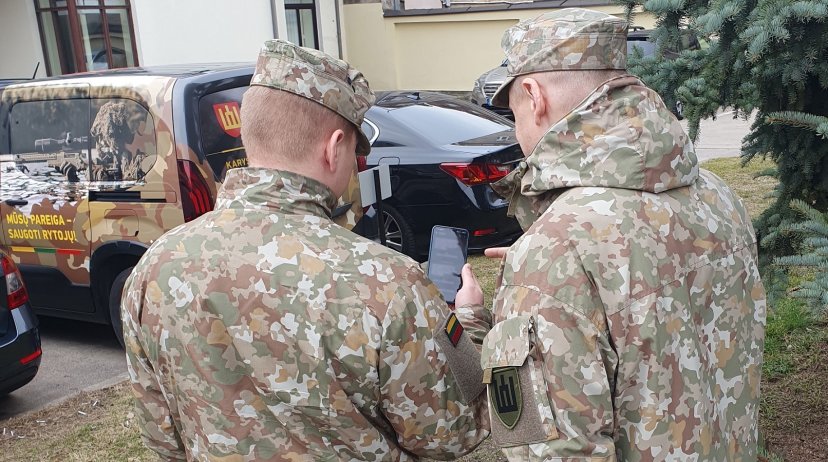
The inclusion of drone warfare reflects a hard-learned lesson from the past two years. As LRT reports, German troops are now training to counter drone swarms—a tactic that has become a signature of modern hybrid warfare. The drills feature scenarios where armored vehicles are targeted by unmanned aerial systems, forcing crews to deploy protective netting and jamming devices. This isn’t theoretical; it’s a direct response to how Russia has weaponized drones in its war against Ukraine.
A Permanent Footprint: Germany’s “Zeitenwende” in the Baltics
The deployment of the 45th Brigade to Lithuania isn’t just another NATO rotation—it’s the physical manifestation of Germany’s post-2022 defense overhaul, dubbed the “Zeitenwende” (turning point). As Germany’s ambassador to Lithuania, Cornelius Zimmermann, told reporters, the brigade’s full operational capability by 2027 will be “the clearest possible signal” of Berlin’s commitment to Europe’s security. The move follows a decade of German hesitation, but the invasion of Ukraine forced a reckoning.

Historically, Lithuania and Germany share deep military ties dating back to the country’s fight for independence in 1919, when German volunteers—known as the “Saxon Brigade”—played a key role in repelling Bolshevik forces. Fast-forward to today, and the relationship has evolved into a full-scale defense partnership. A new exhibit at the Vytautas the Great War Museum in Kaunas, detailed in Kaunas Pilnas Kultūros, traces this bond from the early 20th century through NATO integration and the modern era. The museum’s curators note that the 45th Brigade’s permanent stationing in Lithuania is as much about deterrence as it is about historical continuity.
The brigade’s transition from rotational deployments to a permanent base—housing around 5,000 German troops and civilians by 2027—is a logistical and strategic gamble. Lithuania is providing infrastructure, including a new military town under construction in Rukla, while Germany is investing in cutting-edge systems like the AGDUS simulation platform used in this week’s drills. The cost? Estimates from German officials suggest billions in long-term commitments, but the message to Moscow is clear: any attempt to challenge NATO’s eastern border will face a unified response.
The Drills’ Hidden Details: What’s Being Tested Beyond Tanks and Drones
While the Leopard tanks and Puma vehicles draw immediate attention, the real innovation lies in the brigade’s integration of multi-domain capabilities. As Alkas.
- Counter-drone warfare: German forces are testing new systems to detect, jam, and destroy enemy drones—critical after Russia’s heavy reliance on these systems in Ukraine.
- Electronic warfare: Simulated jamming of communications and GPS signals to disrupt enemy command structures.
- Rapid reinforcement: The brigade is practicing how to quickly deploy from Lithuania to other NATO frontlines, such as Poland or the Baltic Sea region.
- Civilian-military coordination: Scenarios involving the evacuation of civilians under fire, a nod to Ukraine’s experience with hybrid warfare.
The drills also serve as a stress test for Lithuania’s own military. Local forces are participating alongside German units, ensuring interoperability—a necessity if NATO ever needs to rapidly mobilize in the region. The exercises are scheduled to run through June, with a second set of drills planned for later this year before the brigade’s full transition to permanent status.
The Message to Moscow: Is It Working?
Germany’s decision to station a full brigade in Lithuania is a direct response to Russia’s military buildup near its western border. While Russian officials have not publicly commented on the drills, the presence of modern Western hardware—especially in a country that shares a border with Belarus—is unlikely to go unnoticed in Moscow. The question is whether this deployment, combined with similar moves by the U.S. and other NATO members, will deter further aggression.
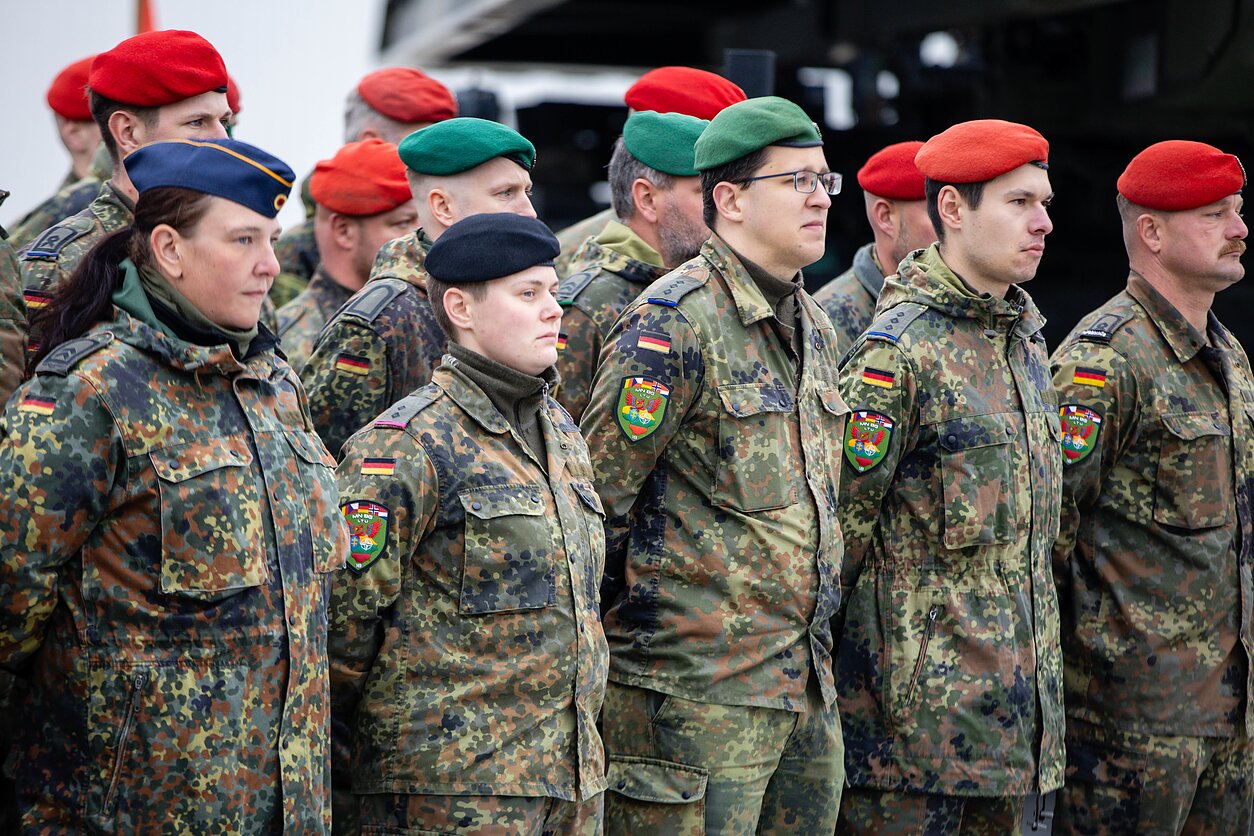
Historically, Russia has tested NATO’s resolve by probing weak points—such as Georgia in 2008 and Ukraine in 2014. The Baltics, with their small populations and reliance on NATO for defense, have long been seen as potential targets. By stationing a permanent brigade in Lithuania, Germany is effectively raising the cost of any Russian incursion. As Brigadier General Christoph Huber, commander of the 45th Brigade, told reporters, “If anyone dares to attack Lithuania or NATO, we are here to defend it shoulder to shoulder with our Lithuanian and NATO allies. That’s what we’re training for.”
The timing of these drills—just months after Germany’s federal election—also carries political weight. The new government, led by Chancellor Olaf Scholz, has faced criticism for slow defense spending in the past. The brigade’s deployment is a tangible demonstration of Berlin’s shift toward a more assertive foreign policy, one that prioritizes deterrence over diplomacy.
What Comes Next: The Brigade’s Roadmap to 2027
The next 18 months will be critical for the 45th Brigade’s mission.
- Late 2026: Full relocation of the brigade’s artillery battalion and additional armored units to Lithuania, including the latest German drone systems.
- 2027: Completion of the permanent base in Rukla, allowing the brigade to operate independently without relying on rotational deployments.
- Ongoing: Expanded joint training with Lithuanian forces, including simulations of large-scale conventional warfare scenarios.
Beyond the hardware, the real challenge will be integration. Lithuania’s military, while capable, operates with limited resources. The German brigade’s arrival will test logistics, command structures, and cultural adaptation. If successful, it could serve as a model for other NATO nations looking to bolster their eastern defenses.
The drills in Pabrade this week are more than a show of force—they’re a dress rehearsal for a potential conflict. With Russia showing no signs of de-escalation in Ukraine, and NATO’s eastern flank remaining a flashpoint, Germany’s commitment to Lithuania is a calculated bet: that deterrence still works, and that Europe’s security depends on it.
