
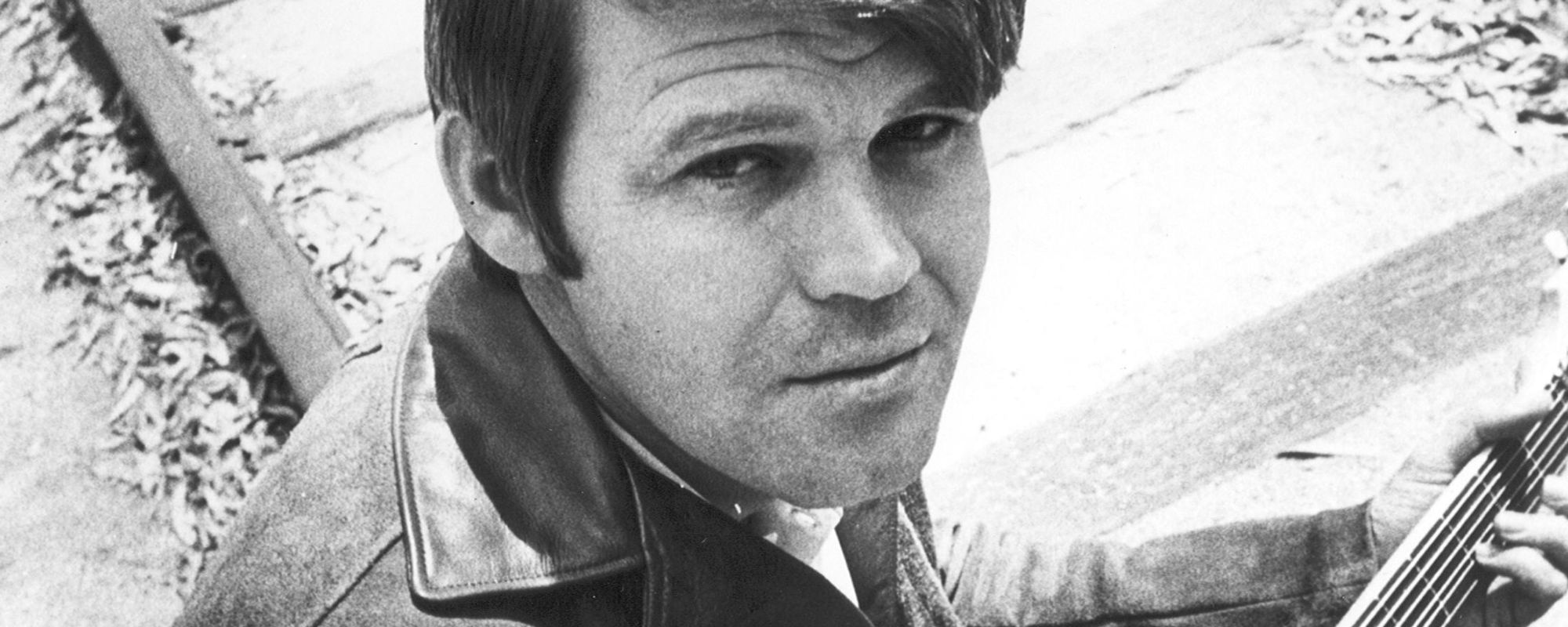
“Wichita Lineman” Evoked Powerful Emotional Responses From Musicians, Singers
The iconic song “Wichita Lineman,” a No. 1 hit for Glen Campbell, elicited strong visceral reactions from those involved in its creation, revealing the power of music to connect on a deeply personal level.
Campbell, seeking to replicate the success of his earlier collaboration with Jimmy Webb, “By the Time I Get to Phoenix,” specifically requested another song with a geographical theme. Upon first hearing “Wichita Lineman,” Campbell was overcome with emotion, recalling, “I cried…It made me cry because I was homesick. Every hair follicle stood up on my body. It’s a masterfully written song.” The song depicts a lineman working in rural Kansas, longing for a distant lover, and resonated with Campbell’s own upbringing in Arkansas.
The emotional impact wasn’t limited to the singer; Carol Kaye, the bassist for the Wrecking Crew who played on the track, described a similar physical response. “When he starts singing, the hair kind of stood up on my arms,” Kaye recalled. “I heard ‘Wichita Lineman’ at a drugstore one time, and it just brought tears to my eyes.” Orchestral arranger and producer Al DeLory also connected with the song, visualizing his uncle who worked as a lineman in California. This connection highlights how seemingly simple songs can tap into universal experiences and memories. The song’s enduring popularity demonstrates the lasting impact of relatable storytelling in music; you can learn more about the history of the Wrecking Crew here.
“Wichita Lineman” reached No. 1 on both the Billboard Hot Country Songs and Adult Contemporary charts, and peaked at No. 3 on the Hot 100, confirming the widespread appeal of Webb’s lyrics and Campbell’s delivery. The song continues to be celebrated as a masterpiece of songwriting and arrangement.
Officials stated that the song’s continued airplay and critical acclaim ensure its place as a cornerstone of American popular music.
