

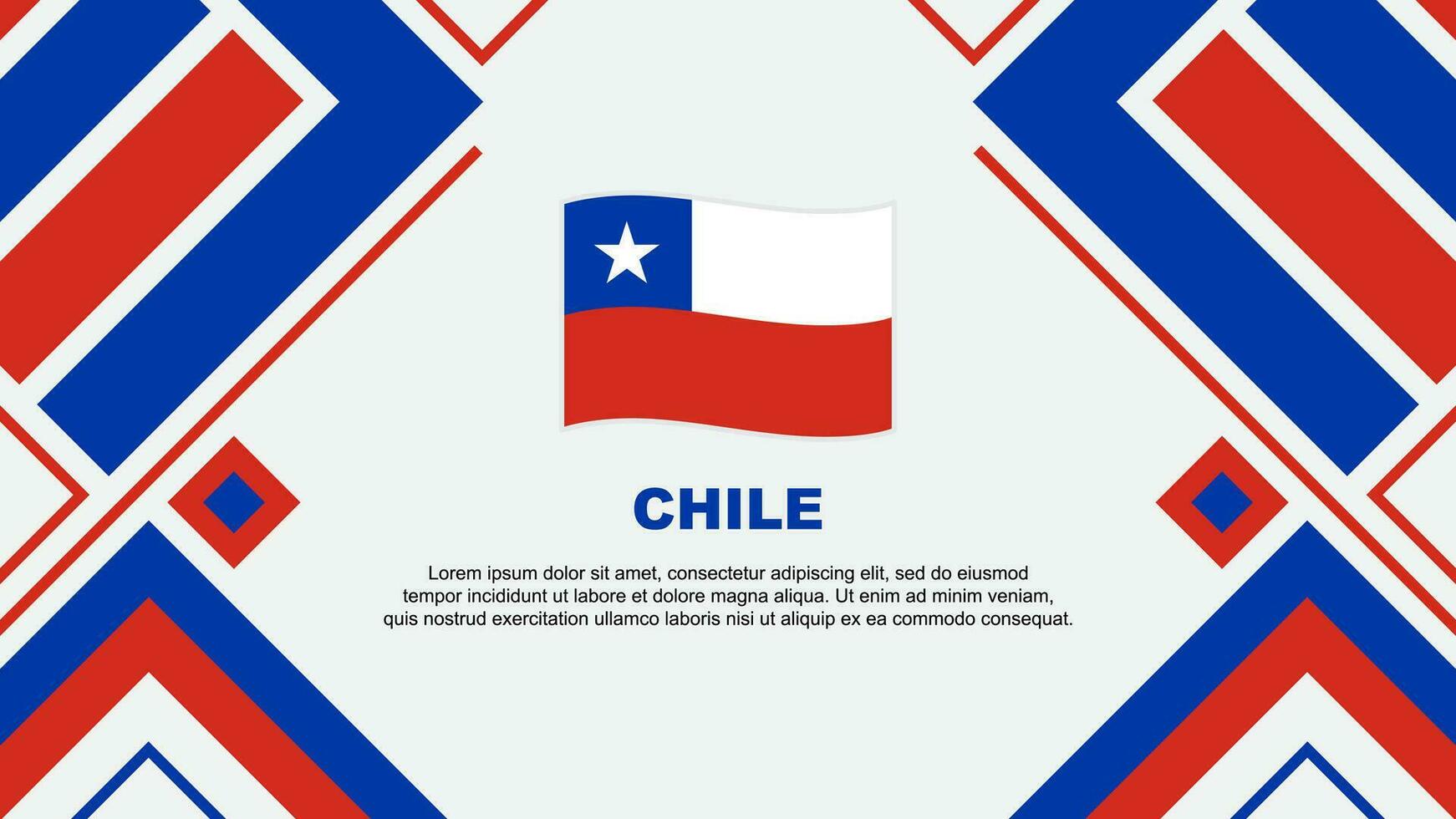
The Republic of Chile holds the title for the world’s most beautiful flag according to a recent international survey conducted by the Spanish travel magazine Condé Nast Traveler. The publication’s readers ranked the Chilean flag ahead of those representing Peru and the United States, citing its design as a standout among global entries.
The Global Ranking of National Flags
The recognition of the Chilean flag, known locally as La Estrella Solitaria or “The Lone Star,” emerged from a reader-driven poll featured in the Spanish edition of Condé Nast Traveler. The magazine invited its audience to evaluate national flags based on aesthetic appeal and symbolic design.
In the final tally, Chile secured the top position. The survey results placed the flag of Peru and the flag of the United States in subsequent positions, though the magazine did not provide specific numerical margins for the gap between the entries. The ranking reflects public sentiment among the publication’s readership rather than a formal vexillological study or government-sanctioned contest.
Design and Symbolism of the Chilean Flag
The flag of Chile, officially adopted on October 18, 1817, consists of two horizontal bands of white and red, with a blue square in the upper hoist-side corner containing a single white five-pointed star. According to historical descriptions, the blue represents the sky and the Pacific Ocean, the white symbolizes the snow of the Andes Mountains, and the red serves as a tribute to the blood spilled by national heroes during the country’s fight for independence.
The magazine’s editorial team highlighted the simplicity and historical weight of the design as primary factors in its popularity among voters. By outperforming flags from nations with larger global profiles, such as the United States, the result drew significant attention within Spanish-language media, which framed the outcome as a point of national pride for Chile.
Contextualizing the Poll
While the ranking has been widely circulated, it is important to distinguish this consumer-led poll from academic or international diplomatic designations. Condé Nast Traveler presented the list as a subjective travel-oriented feature intended to engage its readership.
The inclusion of Peru and the United States in the top tier of the same survey indicates a high level of competition among flags from the Americas. The survey results remain a reflection of current popular preference among the magazine’s demographic as of June 2026. No changes to the official status or design of the flag have been proposed or enacted by the Chilean government as a result of this ranking.
Geopolitical and Cultural Resonance of the Flag
The flag of Chile, which has remained largely unchanged in its fundamental design since its adoption in the early 19th century, carries significant weight in the country’s civic identity. The specific arrangement of its colors—red, white, and blue—mirrors the tricolor traditions common to many republics in the Western Hemisphere, yet its unique configuration of a single star in a blue canton distinguishes it from others. The survey’s focus on the aesthetic qualities of the flag has sparked conversations regarding the intersection of national branding and public perception in the digital age, particularly as travel and tourism publications increasingly influence international views on national identity.
The attention garnered by the Condé Nast Traveler ranking serves to underscore the enduring nature of national symbols in a globalized world. Despite the lack of an official government mandate behind the poll, the sentiment expressed by the magazine’s readership highlights a perceived elegance in the Chilean design that resonates with international audiences. Observers within the region have noted that such rankings, while informal, contribute to the broader “soft power” and cultural visibility of nations when they appear in widely circulated international media.
Methodological Considerations in Reader Polls
The methodology employed by Condé Nast Traveler relies entirely on the subjective preferences of its active subscriber base and website visitors. By soliciting votes on aesthetic appeal, the magazine prioritizes visual impact and historical resonance over technical vexillological standards. This approach contrasts sharply with professional organizations such as the North American Vexillological Association (NAVA), which typically evaluates flags based on criteria like simplicity, meaningful symbolism, and distinctiveness. The magazine’s decision to publish the list as a travel feature underscores that the primary goal was audience engagement rather than a rigorous or scientific assessment of national symbols.
The ranking of Chile, Peru, and the United States as the top three entries suggests a strong regional bias or preference among the magazine’s Spanish-speaking readership, as all three nations are located in the Americas. This concentration of top-performing flags suggests that the survey results may be highly dependent on the geographic distribution of the magazine’s voting audience. As of June 2026, there have been no official diplomatic communications from the governments of Chile, Peru, or the United States regarding the rankings, confirming that the list remains an exercise in cultural commentary rather than a matter of state protocol or international relations.
