
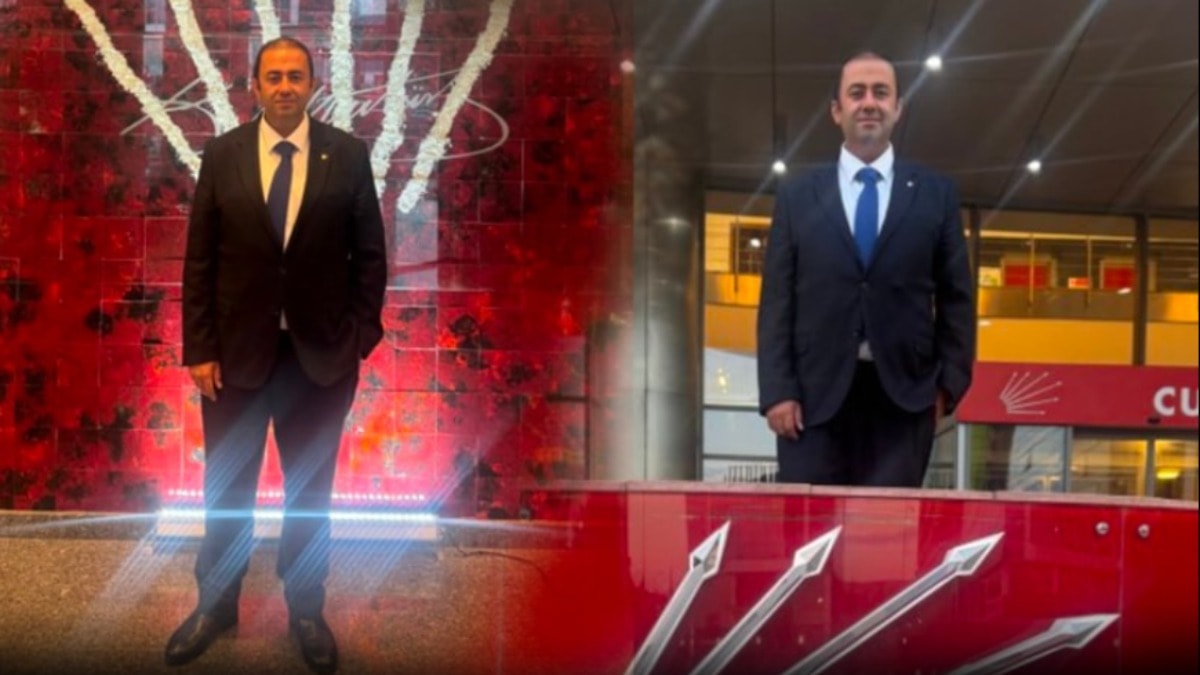
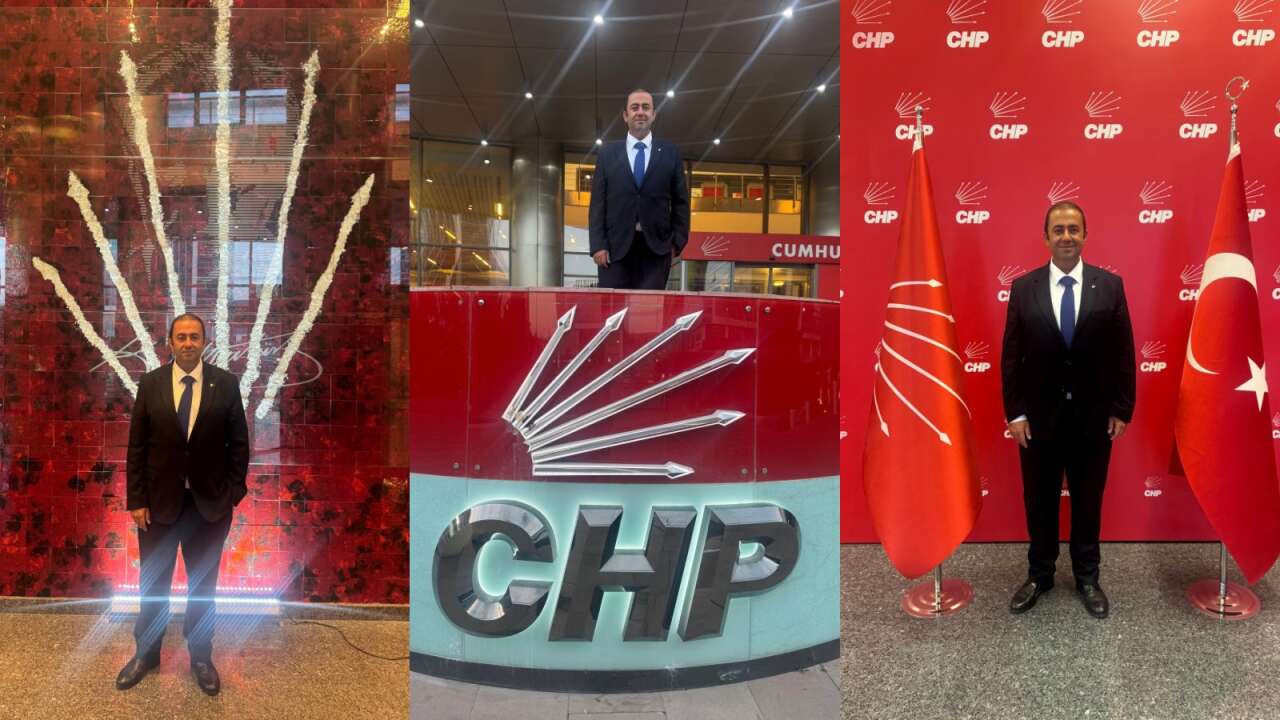
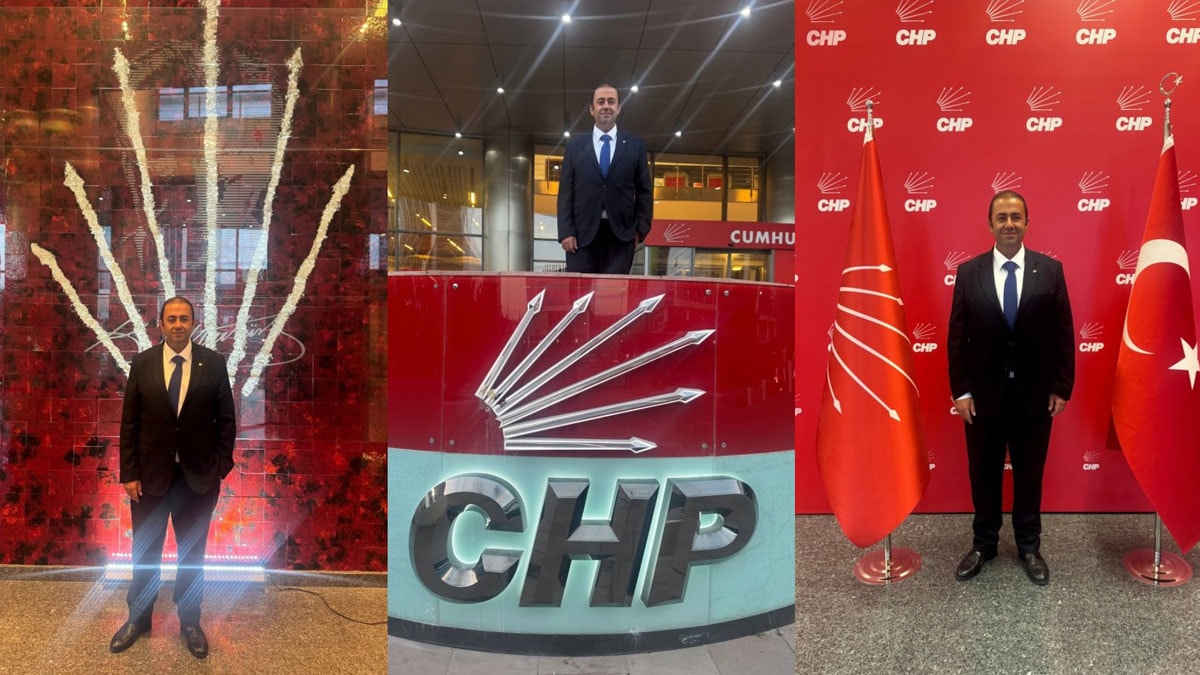
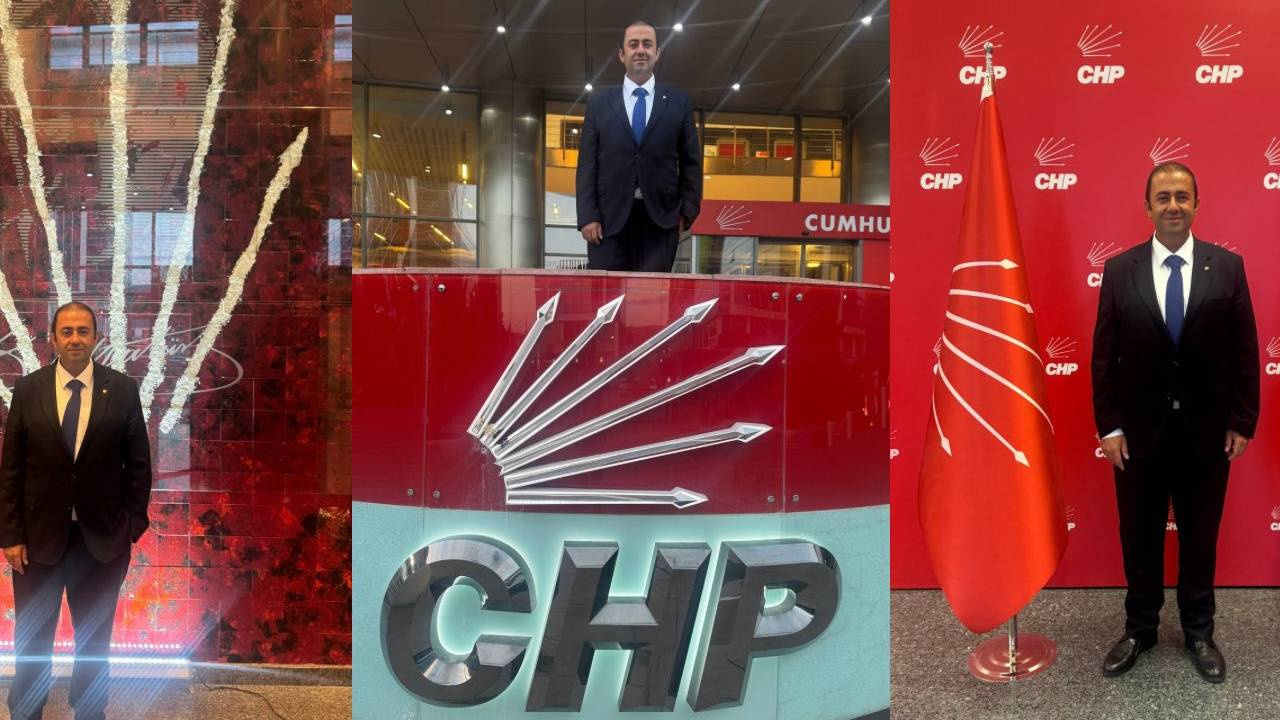
A self-described “roving accuser” who has become a polarizing figure in Turkey’s political landscape appeared at the headquarters of the Republican People’s Party (CHP) on Sunday, June 7, 2026, posting a photo with the caption: “We are at our father’s home. We did not come new; we returned.” Tolgahan Erdoğan, a man whose testimony has fueled multiple high-profile corruption investigations against CHP officials, has now become a lightning rod in debates over credibility, political loyalty, and the blurred lines between accusation and evidence in Turkey’s legal system.
Who Is Tolgahan Erdoğan, and Why Does His Visit Matter?
Erdoğan, widely known in Turkish media as the “roving accuser” (*seyyar iftiracı*), has been a central figure in at least three major investigations targeting CHP and Istanbul Metropolitan Municipality (İBB) officials. His testimony—often lacking direct evidence—has led to arrests, including that of Onur Soytürk, a former İBB official accused of receiving bribes. Yet his credibility has been repeatedly questioned, most recently when key details of his claims unraveled under scrutiny.
According to Sözcü, Erdoğan’s sudden appearance at CHP headquarters—just days after the party’s controversial “absolute nullification” (*mutlak butlan*) ruling—has reignited debates about his motives. While CHP officials have framed his visit as a symbolic return to the party’s roots, critics argue it underscores deeper divisions within the opposition ranks over transparency and accountability.
The 50 Million Dollar Claim That Collapsed Under Cross-Examination
Erdoğan’s most infamous allegation—a claim that 50 million dollars was transferred during CHP’s 2021 congress—has become a case study in how Turkish courts handle hearsay evidence. In a statement to Halk TV, he initially testified that he had witnessed cash movements at four currency exchange offices on the day of the event. But when pressed in court, Erdoğan admitted he had heard the claim from an Uber driver in Moda while sitting in a café—hardly the kind of direct testimony judges typically accept.
The court’s skepticism was further fueled when Erdoğan’s other claims—such as the assertion that 10 million dollars in bribes were funneled through Adnan Oktar’s villa—collapsed under scrutiny. Investigators discovered that the supposed recipient of the funds had died in 2021, and the bank he was alleged to have used had no branches in Greece. Onur Soytürk, the İBB official accused of receiving the money, denied the allegations entirely, stating in a Korkusuz report: “I never went to Athens. I have no account at that bank. My father-in-law passed away four years ago.”
“I never went to Athens. I have no account at that bank. My father-in-law passed away four years ago.”
From Whistleblower to Political Pariah: How Erdoğan’s Testimony Fueled Arrests
Despite the lack of concrete evidence, Erdoğan’s testimony has had real-world consequences. His claims about İBB corruption led to the arrest of five officials, including former Boğaziçi Imar Müdürü Elçin Karaoğlu and former Mezarlıklar Dairesi Başkanı Ayhan Koç. The Gazete Pencere investigation revealed that prosecutors relied heavily on his statements—even as legal experts questioned whether they met the standard for admissible evidence.
Erdoğan’s shift from anonymous accuser to a figure appearing at CHP headquarters reflects a broader strategy: positioning himself as a “returning son” to the party he once helped target. Yet his visit has also exposed CHP’s internal fractures. Some party members see him as a useful tool in their fight against perceived corruption; others view him as a liability whose testimony has done more harm than good.
The Symbolism of the Visit: Why CHP’s “Father’s Home” Message Resonates
Erdoğan’s photo op at CHP headquarters carries multiple layers of meaning. The party’s leadership, led by Kemal Kılıçdaroğlu, has framed his return as a sign of unity—emphasizing that CHP remains a bastion of democratic values despite external pressures. The caption “We are at our father’s home. We did not come new; we returned.” suggests a narrative of continuity, even as Erdoğan’s past allegations have left deep scars.
Yet the timing is telling. CHP is currently embroiled in legal battles over its 2021 congress, with prosecutors alleging irregularities. Erdoğan’s sudden reappearance—just as the party faces renewed scrutiny—raises questions about whether his testimony could resurface in future proceedings. Legal experts warn that if his claims are reintroduced without stronger evidence, they risk further undermining CHP’s credibility rather than strengthening it.
What Happens Next? The Legal and Political Fallout
- Legal Reckoning: If prosecutors attempt to use Erdoğan’s testimony again in ongoing cases, CHP’s legal team—led by attorney Çağlar Çağlayan—will likely challenge its admissibility, citing his reliance on hearsay and lack of direct evidence.
- Political Capital: CHP may seek to leverage Erdoğan’s return as proof of its commitment to transparency, but his history of unverified claims could backfire if the party is seen as endorsing questionable sources.
- Media Backlash: Erdoğan’s past defamation case against journalist İsmail Saymaz—where he was ordered to pay 15,000 Turkish liras in damages—may resurface, further damaging his reputation.
- Public Skepticism: Polls suggest many Turks view Erdoğan’s testimony with deep skepticism, particularly after his claims about the 50 million dollars and the Athens bank fell apart.
The bigger question is whether Erdoğan’s visit signals a broader shift in CHP’s strategy—or whether it’s merely a tactical move in an increasingly polarized political environment. One thing is certain: in Turkey’s legal and political battles, perception often matters as much as evidence. And for now, Erdoğan’s photo at CHP headquarters is as much about optics as it is about substance.
A Pattern of Unverified Claims—and the Cost of Being a “Roving Accuser”
Erdoğan’s case is not unique in Turkey’s political landscape. Over the past decade, multiple whistleblowers and anonymous sources have made explosive allegations against high-profile figures—only for many of those claims to later unravel. What sets Erdoğan apart is his persistence: despite his testimony failing to hold up under scrutiny, he continues to insert himself into high-stakes legal battles.
Legal experts argue that his role highlights a troubling trend in Turkish courts: the willingness to act on unverified testimony when it aligns with a prosecutor’s narrative. In Erdoğan’s case, his claims about CHP’s congress and İBB corruption led to arrests, even as judges later dismissed his lack of direct evidence. This raises critical questions about due process—and whether Turkey’s legal system is being used as a weapon in political struggles rather than a tool for justice.
For CHP, the challenge now is to navigate this minefield without further damaging its reputation. Erdoğan’s visit may be a calculated move, but if his past patterns hold, it could also become another chapter in Turkey’s ongoing saga of contested allegations, legal maneuvering, and the blurred line between accusation and proof.
As of June 7, 2026, the story remains fluid. What is clear is that in Turkey’s high-stakes political and legal battles, the line between whistleblower and opportunist is thinner than ever.
