
сылка
Political uncertainty in the United States, tied to the upcoming election and the presidency of Donald Trump, has added to expectations of lower interest rates, eroding demand for the dollar. A weaker dollar makes metals – priced in the U.S. currency – relatively cheaper for international investors, driving up prices.
oro dólar reservas.jpg
3. Tensiones geopolíticas y búsqueda de activos refugio
Table of Contents
- 3. Tensiones geopolíticas y búsqueda de activos refugio
- 4. Compras récord de bancos centrales y desdolarización
- 5. Explosión de la plata: déficit estructural y demanda industrial
- 6. Inquietud financiera global y rotación de carteras
- 7. El cobre y los metales industriales: aranceles, transición energética y oferta ajustada
- 8. China reduce la producción de cobre: desequilibrios de oferta
Escalating geopolitical risks have once again placed metals in the spotlight. Tensions between the United States and Venezuela, including a military deployment in the Caribbean and a naval oil blockade, have reactivated demand for safe-haven assets.
In this environment, gold and silver have resumed their historical role as a refuge from uncertainty, a dynamic that strengthens whenever conflicts escalate or threaten global trade, energy supplies, or supply chains.
Bancos centrales reservas de oro 2025
BestBrokers.com
4. Compras récord de bancos centrales y desdolarización
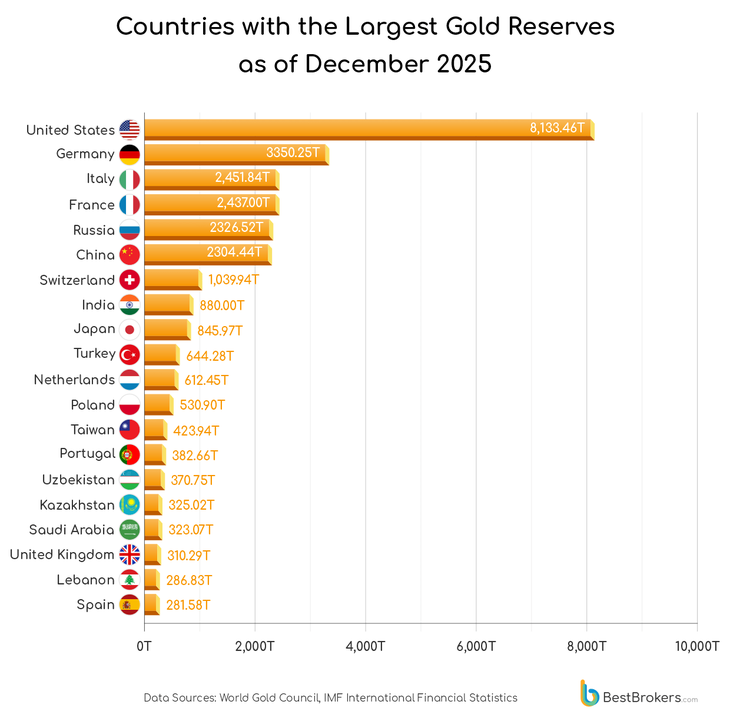
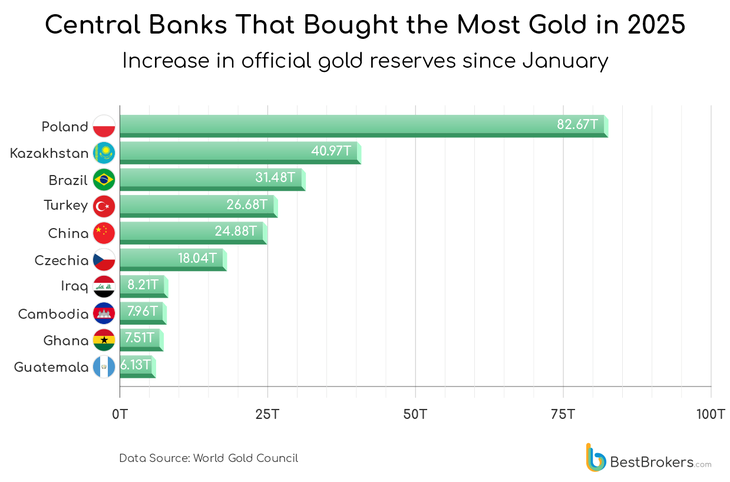
A key, less speculative driver of the rally is sustained demand from central banks, which are accumulating gold as part of their international reserves. This process is associated with a broader strategy of diversification and de-dollarization, particularly in emerging economies.
Institutional buying provides a stable, long-term demand base, reducing volatility and reinforcing the upward trend of the yellow metal, which has already accumulated an annual gain of 72%, its largest advance in more than four decades.
Países que más compraron oro 2025
BestBrokers.com
5. Explosión de la plata: déficit estructural y demanda industrial
While gold is performing strongly, silver is truly shining. The metal reached historic highs near USD $79 per ounce and has accumulated a jump of nearly 170% so far this year, significantly outperforming gold in terms of returns.
The reasons are more structural: silver faces persistent supply deficits, expanding industrial demand – particularly linked to solar energy, electronics, and electrification – and its recent inclusion on the list of U.S. critical minerals, which has elevated its strategic value.
Unlike gold, silver combines its financial role with growing industrial use, amplifying the effects of any imbalance between supply and demand.
Gustavo Martínez.jpeg
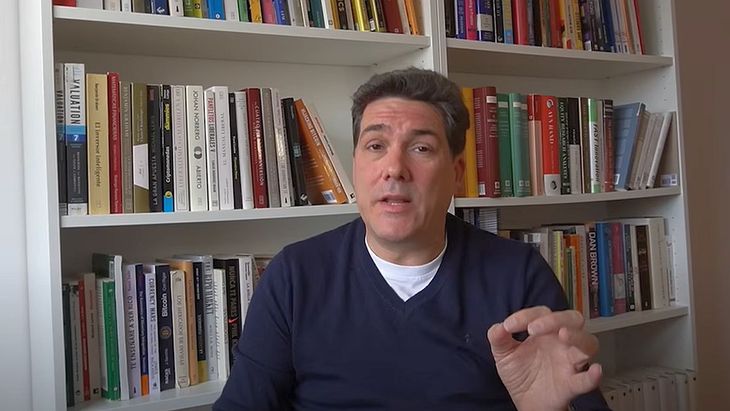
Commodities analyst and metals expert Gustavo Martínez, in a post on his LinkedIn profile, addressed the potential extent and end of the silver rally. “I believe the way the rally could end is precisely through repeated increases in COMEX margin requirements,” the financial commentator stated.
He detailed: “That would force leveraged longs (the majority) to put up more capital or close positions, generating forced sales and cooling the futures market. Essentially, in a context where the rally is increasingly driven by real physical demand (industrial, investment in tangible metal, hoarding in Asia), buyers lose interest in ‘paper promises.’”
According to Martínez, a professor of Finance at the Universidad Francisco Marroquín, “progressive margin increases shake out the weaker hands, especially when yields on sovereign bonds or safer alternatives attract capital away from high-risk speculative positions.”
In line with this, the specialist noted that “futures, in the end, are a hedging tool, not an infinite vehicle for speculative leverage. Therefore, when the tension shifts from paper to metal, people prefer not to sell their tangible silver: they simply retain it and take it away from futures. This explains why, even with prices at all-time highs, there is no massive wave of physical sales to take profits.”
In summary, Martínez concluded: “I’m betting that the end of the rally (of silver) will probably not come from a collapse in physical demand, but from a forced de-leveraging in the paper market.”
6. Inquietud financiera global y rotación de carteras
The rise in metals also reflects a defensive portfolio rotation. Investors are watching with concern the growth of public debt in major economies, fiscal fragility, and the possibility of a bubble in the artificial intelligence sector.
Faced with this scenario, many funds have opted to diversify positions, increasing exposure not only to gold and silver, but also to other metals such as platinum, palladium, and copper, considered real assets against potential financial corrections.
Martínez succinctly summarizes the situation on his social media: “Don’t get it wrong, folks: gold, silver, platinum, palladium, and copper are not all simultaneously in a bubble. What we are experiencing is simply the consequence of a messed-up system, expelling all the liberticidal garbage accumulated after years and years of financial repression.”
7. El cobre y los metales industriales: aranceles, transición energética y oferta ajustada
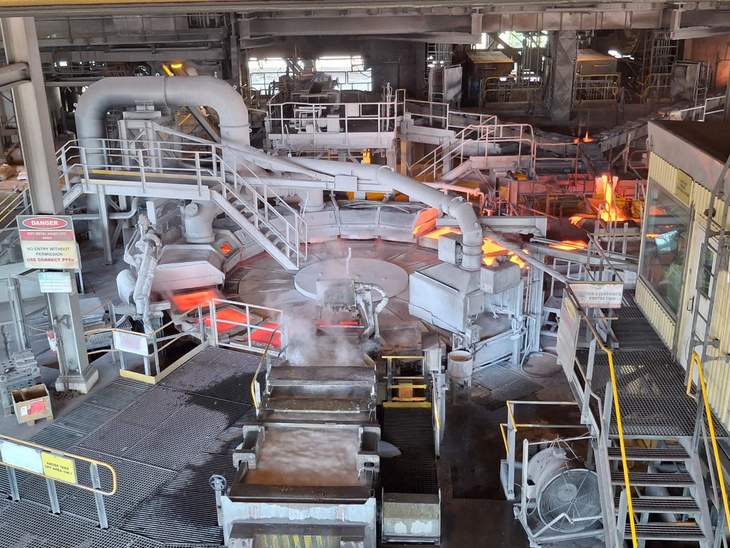
The rally isn’t limited to precious metals. Copper surpassed USD $12,000 per tonne, driven by fears of U.S. tariffs, the energy transition, and a lack of new large-scale mines.
Like platinum and palladium – which also marked strong gains – copper reflects a structural problem: supply is growing more slowly than demand, in a world that needs to electrify transportation, networks, and industrial systems.
Platinum has accumulated a gain of 160% this year and palladium is up over 90%, driven by supply shortages, trade uncertainty, and a rotation of investments from gold to other metals.
Planta de fundición de cobre mina Kansanshi Zambia Solwezi
Sebastián D. Penelli
8. China reduce la producción de cobre: desequilibrios de oferta
The performance of copper in global markets also cannot be explained without considering the leading role of China, the largest consumer and refiner of this strategic metal, which has had a direct impact on prices and the dynamics of supply and demand.
China produces more than half of the world’s refined copper and its vast manufacturing industry, construction, and investments in electrical infrastructure continue to absorb growing volumes of the metal, tightening the global balance between supply and demand. Estimates suggest its refined production will increase even amid concentrate shortages, increasing its share in the global market and consolidating its weight in the copper supply chain.
This appetite, coupled with public investments in electrical networks and copper-intensive manufacturing, puts upward pressure on prices by reducing the availability of copper for other markets.
Additionally, recent moves by major Chinese smelters to agree to a reduction of more than 10% in refined copper production for 2026 have contributed to the supply imbalances that have driven the metal to historic highs, adding an element of uncertainty and speculation to the markets.
While recent data shows slight declines in China’s copper imports due to high prices, the structural factor of its demand remains one of the main supports for the copper rally, solidifying the Asian giant as the undisputed engine behind the year’s highest quotes.
