
Are you looking for innovative ways to celebrate history in your community? This article explores the latest trends in community recognition, from interactive digital memorials to community-driven nomination processes, and reveals how thes initiatives are shaping our understanding of local narratives. Discover how you can implement these powerful strategies to create more inclusive and engaging historical celebrations.
The Future of Honoring History: Trends in Community Recognition
Table of Contents
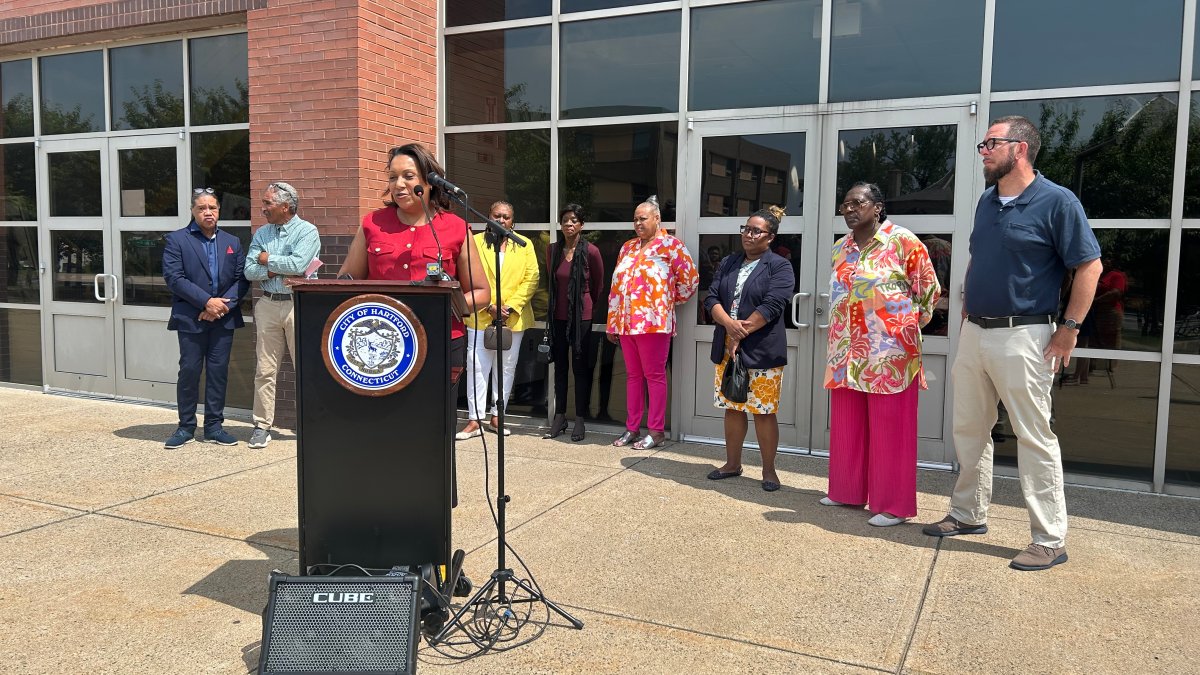
The unveiling of the Black Heroes Trail in Connecticut/comments/1cqy98x/the_fall_of_the_great_american_cities_hartford/” title=”The fall of the great American cities: Hartford. Truly sad to see what …”>Hartford, Connecticut, offers a compelling case study in how communities are increasingly recognizing and celebrating their past figures.This trend is not just about remembering the past; it’s about inspiring the future. Let’s explore the emerging trends in community recognition and how they’re shaping our understanding of history and identity.
Digital Memorials and Interactive Experiences
One of the most meaningful shifts is the move towards digital and interactive memorials.The Black Heroes Trail, such as, coudl be enhanced with augmented reality (AR) experiences, allowing visitors to learn more about each honoree through their smartphones. Imagine pointing your phone at a plaque and instantly accessing biographies, historical photos, and even audio recordings. This technology makes history more accessible and engaging, especially for younger generations.
Pro Tip: Consider creating a virtual tour of your local historical sites. Use platforms like Google Maps or dedicated app builders to create interactive maps with embedded multimedia content.
Community-Driven Nominations and Selection Processes
The hartford initiative highlights the importance of community involvement. Future trends will likely see even greater emphasis on community-driven nomination processes. This ensures that the individuals honored truly reflect the values and contributions of the local population. Online platforms and public forums can facilitate nominations, allowing a broader range of voices to be heard.
Did you know? Some cities are using online voting systems to determine which historical figures are recognized, ensuring democratic participation in the process.
Focus on Diverse Representation
The Hartford trail showcases a diverse group of individuals, from journalists to musicians and community leaders. This focus on diversity is crucial. Future initiatives will likely prioritize recognizing a wider range of contributions, including those from marginalized communities.This includes honoring women, people of color, LGBTQ+ individuals, and others whose stories have been historically overlooked.
Integration with Educational Programs
Historical recognition initiatives are increasingly being integrated with educational programs. Schools and community centers can use these memorials as learning tools, providing students with opportunities to explore local history and connect with role models. This can involve field trips, curriculum development, and interactive workshops.
Data-driven insights and Impact Measurement
As these initiatives grow, there will be a greater focus on measuring their impact. Data analytics can be used to track website traffic, social media engagement, and community participation. This data can definitely help organizers understand which strategies are most effective and make informed decisions about future projects. For example,tracking the number of students visiting a memorial site or the number of people attending related events.
Case Study: The legacy Project
The Legacy Project, a national initiative, is a prime example of these trends. They use a combination of digital platforms,community nominations,and educational programs to honor unsung heroes across the country. Their success demonstrates the power of a multi-faceted approach.
FAQ
Q: how can I start a similar project in my community?
A: Start by identifying local historical figures who deserve recognition. Form a committee, create a nomination process, and explore funding options.
Q: What are the benefits of honoring local heroes?
A: It fosters community pride,inspires future generations,and preserves crucial historical narratives.
Q: How can technology enhance these initiatives?
A: Technology can provide interactive experiences, expand accessibility, and facilitate community engagement.
Q: How can I get involved?
A: Volunteer with local historical societies, participate in nomination processes, and support initiatives that celebrate local history.
Q: What are the key elements of a prosperous historical recognition project?
A: Community involvement, diverse representation, educational integration, and the use of technology.
Q: How can I ensure the project is sustainable?
A: Secure funding, establish partnerships with local organizations, and create a long-term plan for maintenance and updates.
Q: What are some common challenges?
A: Funding, community buy-in, and ensuring diverse representation.
Q: How can I promote the project?
A: Use social media, local media outlets, and community events to raise awareness.
Q: How can I measure the project’s impact?
A: Track website traffic, social media engagement, and community participation.
Q: What are the legal considerations?
A: Ensure compliance with local regulations and obtain necessary permits.
Q: How can I address controversies?
A: be transparent, engage in open dialog, and be prepared to address concerns.
Q: How can I ensure the project is inclusive?
A: Involve diverse community members in the planning and execution of the project.
Q: How can I make the project accessible?
A: Provide information in multiple languages,offer accessible formats,and ensure physical accessibility.
Q: How can I collaborate with other organizations?
A: Partner with local historical societies, museums, and community groups.
Q: How can I secure funding?
A: Apply for grants, seek donations, and organize fundraising events.
Q: How can I create a lasting legacy?
A: Establish a long-term plan for maintenance, updates, and community engagement.
Q: How can I ensure the project is relevant?
A: Regularly update the project with new information and engage with the community.
Q: How can I celebrate the project’s success?
A: Organize events, share stories, and recognize the contributions of those involved.
Q: How can I address criticism?
A: Listen to feedback, be open to change, and address concerns in a respectful manner.
Q: How can I ensure the project is ethical?
A: Follow ethical guidelines, respect privacy, and be transparent.
Q: How can I create a sense of community?
A: Organize events, share stories, and encourage participation.
Q: How can I inspire future generations?
A: Share stories of resilience, courage, and achievement.
Q: how can I make the project fun?
A: Incorporate interactive elements, organize events, and celebrate achievements.
Q: How can I ensure the project is sustainable?
A: Create a long-term plan, secure funding, and engage the community.
Q: How can I create a positive impact?
A: Celebrate diversity, promote inclusivity, and inspire future generations.
Q: How can I make the project accessible to all?
A: Provide information in multiple languages, offer accessible formats, and ensure physical accessibility.
Q: How can I ensure the project is relevant?
A: Regularly update the project with new information and engage with the community.
Q: How can I celebrate the project’s success?
A: Organize events, share stories, and recognize the contributions of those involved.
Q: How can I address criticism?
A: Listen to feedback, be open to change, and address concerns in a respectful manner.
Q: How can I ensure the project is ethical?
A: Follow ethical guidelines, respect privacy, and be transparent.
Q: How can I create a sense of community?
A: Organize events, share stories, and encourage participation.
Q: How can I inspire future generations?
A: Share stories of resilience, courage, and achievement.
Q: How can I make the project fun?
A: incorporate interactive elements, organize events, and celebrate achievements.
The Future is Inclusive
The future of honoring history is radiant, with a focus on inclusivity, accessibility, and community engagement. By embracing technology, diverse representation, and educational integration, we can create a more vibrant and meaningful understanding of our shared past.Let’s work together to ensure that the stories of all heroes are told and celebrated.
Ready to make a difference? Share this article and start a conversation about recognizing the unsung heroes in your own community. What initiatives are you excited about? Let us know in the comments below!
