
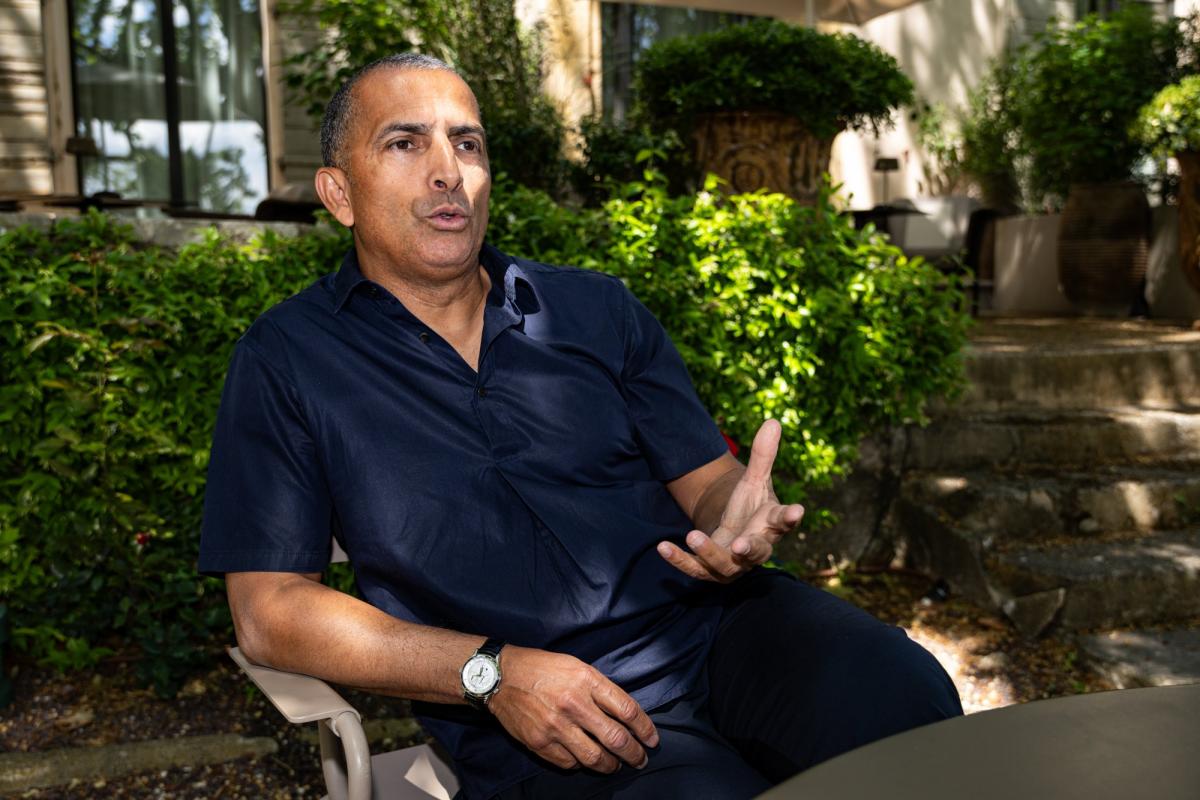
After a 5-1 loss to Sweden in their opening match of the 2026 FIFA World Cup, Tunisia’s national team head coach Sabri Lamouchi was replaced by Hervé Renard, according to multiple French media reports. The decision, announced by the Tunisian Football Federation, came hours after the defeat, with Renard set to take charge for the remainder of the tournament. The move marks one of the few instances in World Cup history of a coach being dismissed during a tournament, echoing a 1998 incident involving Tunisia.
Immediate Replacement and Tournament Context
The Tunisian Football Federation confirmed the change on June 15, 2026, just hours after the team’s heavy loss to Sweden. According to Le HuffPost, the federation’s president, Moez Nassari, announced an agreement with Hervé Renard to take over for the rest of the World Cup. Renard, a French coach with a history of leading African teams, was scheduled to arrive in Monterrey, Mexico, where Tunisia’s squad is based, by June 16. The decision followed a “mutual agreement” to end Lamouchi’s tenure, which had lasted since January 2025.
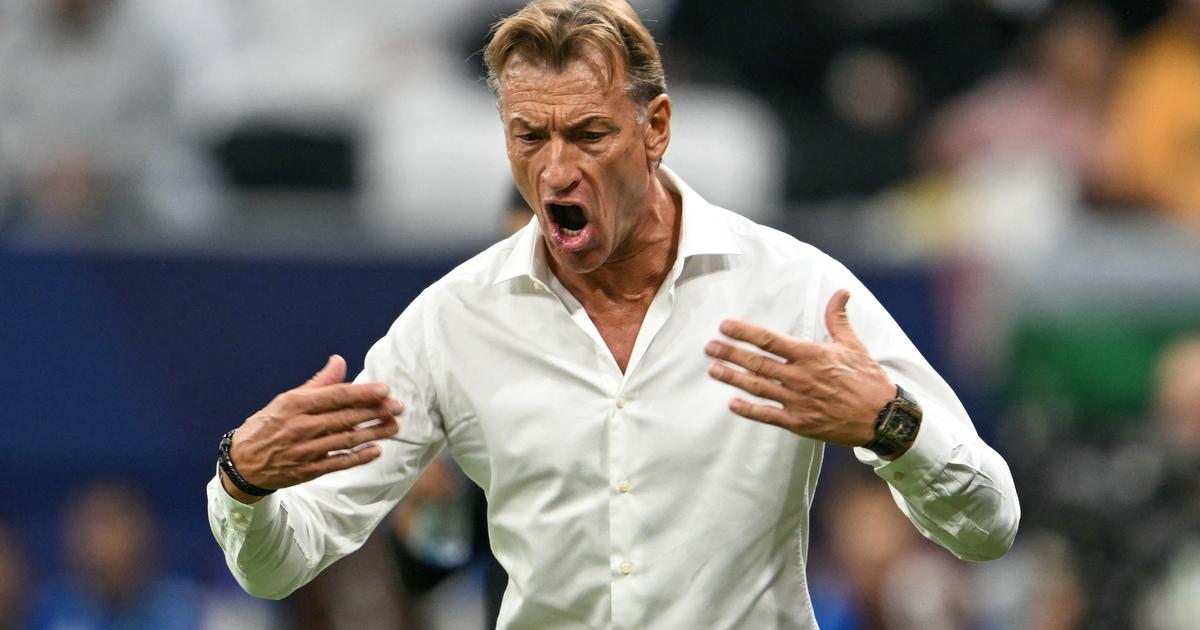
The 5-1 defeat to Sweden on June 14, 2026, was the first of Tunisia’s group stage matches in the 2026 World Cup. The result left the team in a precarious position ahead of their next games, though the federation’s swift action underscored the high stakes of the tournament. Le Figaro noted that Lamouchi’s dismissal was the first of its kind in the 2026 World Cup, though it echoed a similar move in 1998 when Henryk Kasperczak was sacked by Tunisia after two group-stage losses.
Historical Precedents and Coaching Turnover
The dismissal of Lamouchi is part of a broader trend of coaching changes during major tournaments. In 1998, Kasperczak’s exit came after Tunisia’s 1-0 loss to Romania and a 3-0 defeat to Brazil, though the team advanced to the second round. Le Figaro highlighted that Kasperczak’s replacement, Georges Leekens, led Tunisia to the Round of 16 that year. The 1998 World Cup also saw the sacking of South Korea’s Cha Bum-kun and Brazil’s Carlos Alberto Parreira, both after early exits.
Renard, who previously coached the Ivory Coast and Algeria, brings experience in high-pressure tournaments. His appointment has raised questions about his ability to stabilize Tunisia’s squad after such a dramatic mid-tournament change. Le HuffPost noted that Renard’s arrival in Monterrey was expected to coincide with the team’s next training session, though his immediate impact remains uncertain.
Implications for Tunisia’s World Cup Campaign
The timing of Lamouchi’s dismissal has sparked debate about the federation’s decision-making process. Critics argue that the 5-1 loss, while significant, may not have warranted a mid-tournament change, especially given Tunisia’s historical struggles in World Cups. However, the federation’s statement emphasized the need for “a fresh approach” to maximize the team’s chances in the remaining group matches. L’Équipe reported that the federation had previously considered a coaching change but had not acted until the Sweden match.

Renard’s appointment also raises questions about his familiarity with Tunisian players. While he has worked with African teams, his experience with the Tunisian squad is limited. The federation’s decision to replace Lamouchi just days after his tenure began has drawn comparisons to other high-profile coaching changes in international football, such as the sacking of Sven-Göran Erikson by England in 2000. Le HuffPost noted that Renard’s immediate task will be to unify a team still reeling from the defeat and the managerial upheaval.
What Comes Next for Tunisia and the World Cup?
Find more reporting in our News section.
