
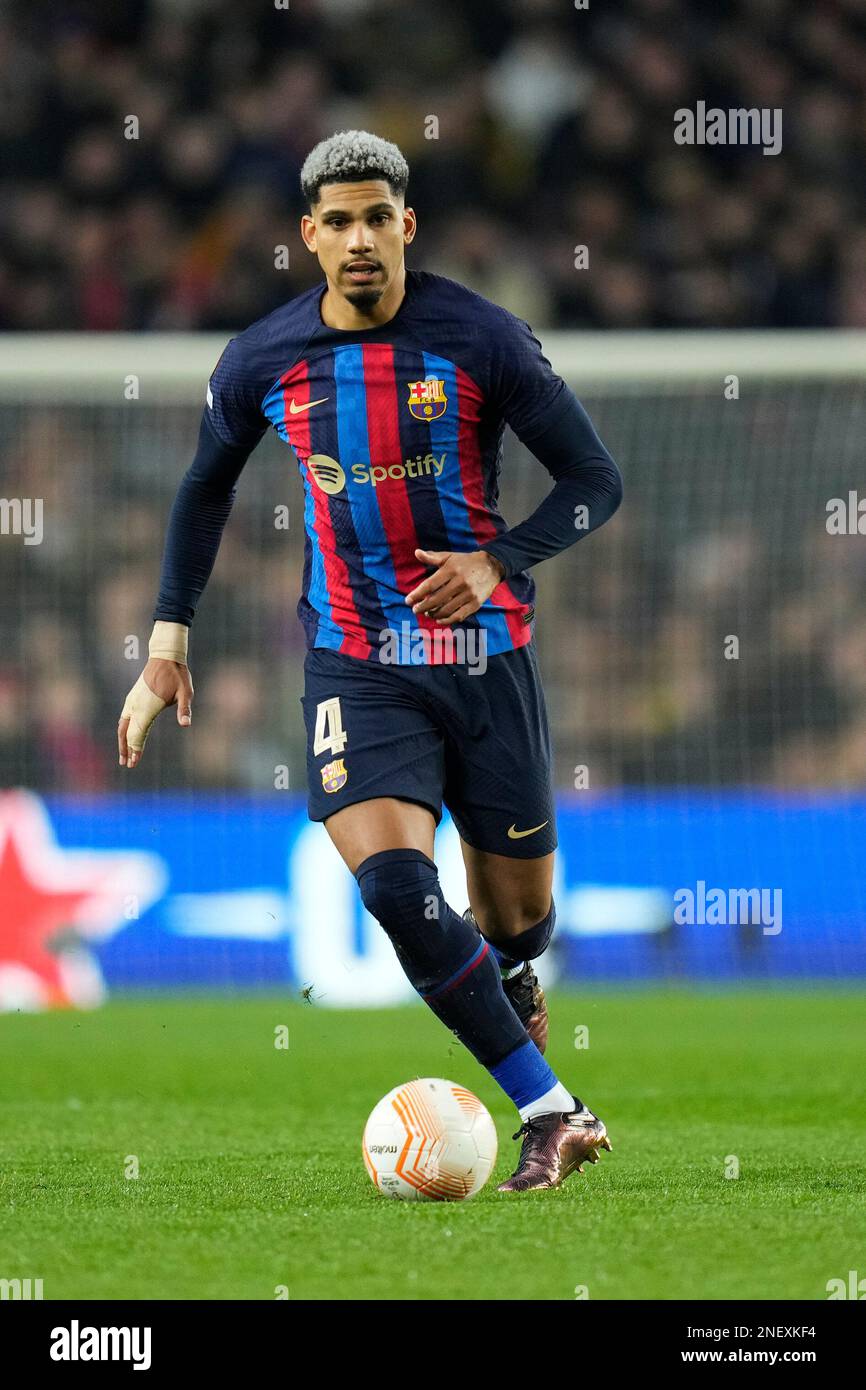
Uruguay defender Ronald Araujo scored a decisive goal to secure a 1-1 draw against Saudi Arabia in an international friendly match held on Tuesday, June 16, 2026. The equalizer, arriving in the second half, neutralized an earlier strike by the Saudi side, ending the contest in a stalemate at the neutral venue.
Match Recap and Tactical Flow
The match saw Saudi Arabia take an early lead in the first half through a disciplined counter-attacking sequence that caught the Uruguayan defense off guard. Uruguay struggled to regain momentum during the opening 45 minutes, often finding their passing lanes disrupted by a compact Saudi midfield. This tactical setup by Saudi Arabia was designed to minimize the space Uruguay’s creative midfielders could exploit, forcing the South American side to recycle possession across the backline rather than penetrating the final third.
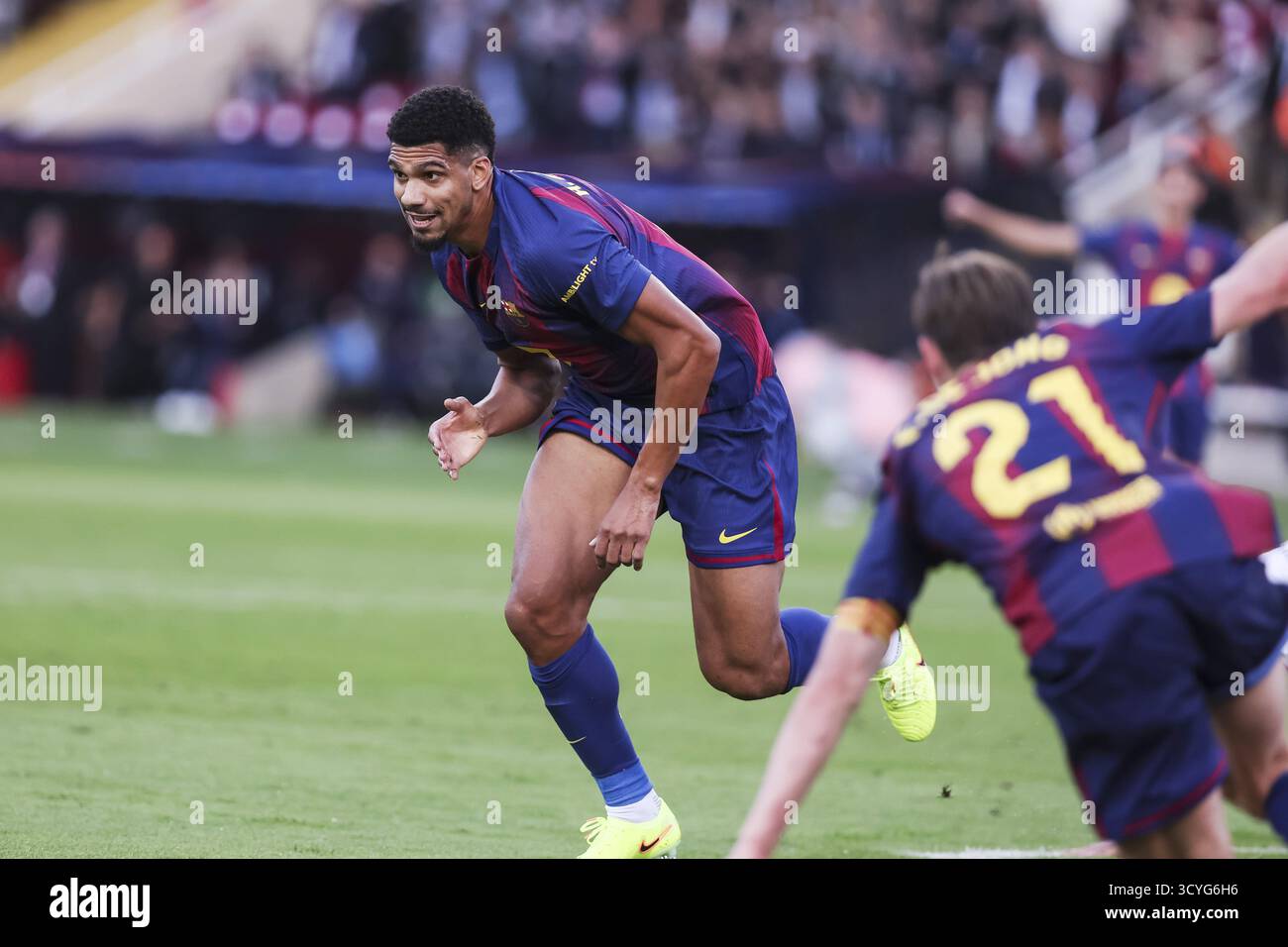
The tide turned shortly after the interval. Uruguay increased the pressure on the flanks, forcing the Saudi defense to commit to deeper positions. The breakthrough came in the 68th minute when Ronald Araujo capitalized on a set-piece delivery. Positioning himself at the edge of the six-yard box, the defender rose above his marker to head the ball into the corner of the net. The goal followed a period of sustained pressure where Uruguay had earned consecutive corner kicks, eventually stretching the Saudi defensive structure to its breaking point.
Araujo’s Impact on the Defensive Line
Araujo’s role in this fixture highlighted his dual utility as both a defensive anchor and a threat in the opposition’s penalty area. Throughout the 90 minutes, he maintained a high pass completion rate while managing the defensive transitions against Saudi Arabia’s quick breaks. His ability to recover ground during moments of numerical disadvantage was a focal point of the Uruguayan defensive strategy.
According to match statistics provided by the broadcasting crew, Araujo led his team in aerial duels won, a factor that proved essential in neutralizing Saudi aerial threats during the final ten minutes of the game. His goal serves as a continuation of his recent form, where he has frequently been deployed as a target man during dead-ball situations. This tactical adjustment—utilizing a center-back as an auxiliary forward during set pieces—is a hallmark of modern international play, particularly when teams face low-block defenses that are difficult to break down through open play.
Comparison of Team Performance
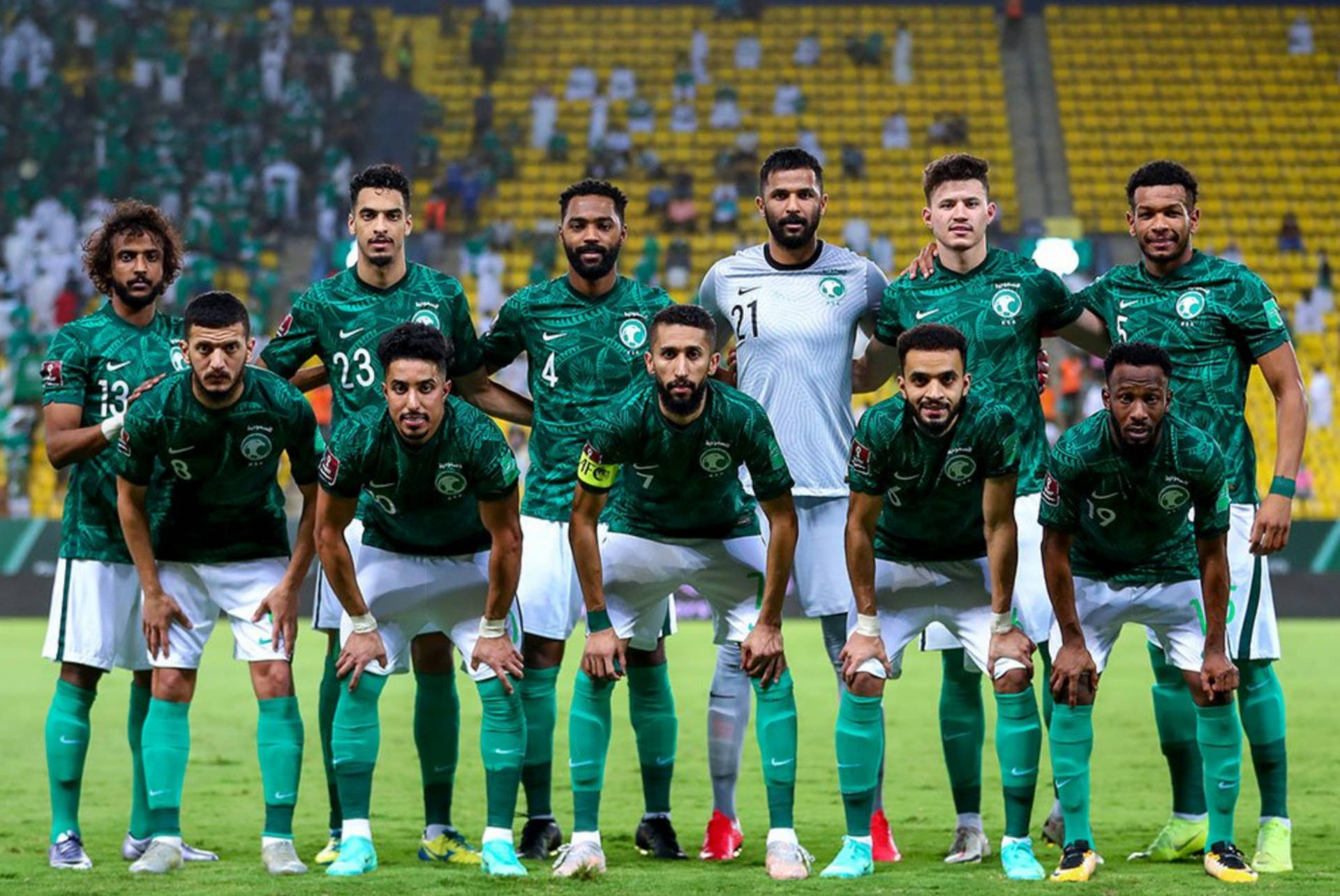
The game offered a tactical contrast between the two squads. Saudi Arabia prioritized a low-block defensive strategy, relying on individual speed to exploit space behind the Uruguayan wing-backs. In contrast, Uruguay maintained higher possession figures, attempting to break down the opponent through patient build-up play. This clash of styles is common in international friendlies, where teams often use these matches to test their resilience against specific tactical challenges they expect to face in competitive tournaments.
While Uruguay dominated the shot count, the efficiency of the Saudi counter-attack remained a constant challenge. Uruguayan head coach Marcelo Bielsa noted in the post-match press conference that his side struggled to find clinical finishing in the final third until the set-piece opportunity arrived. The match served as a diagnostic tool for Bielsa, highlighting the difficulty of maintaining offensive pressure without conceding space for transition attacks.
We lacked the necessary precision in the first half to overcome their defensive structure. It was a test of patience, and Ronald provided the necessary spark to bring us back into the game.
Marcelo Bielsa, Uruguay National Team Head Coach
Context: The Nature of International Friendlies
International friendlies held outside of FIFA-sanctioned windows or immediately preceding major continental tournaments often serve as “dress rehearsals.” For Uruguay, this match provided an opportunity to integrate squad members and refine set-piece routines. For the Saudi Arabian national team, the match offered a rare chance to compete against a high-ranked South American side, allowing them to test their defensive discipline against elite-level forwards.
In international football, the transition from defensive organization to offensive counter-attack is often the primary metric for coaching staffs. The Saudi strategy of utilizing a low block is a common approach for teams looking to neutralize opponents with superior technical ability. By packing the middle of the pitch, Saudi Arabia forced Uruguay to utilize width, which in turn allowed the Saudi wingers to exploit the gaps left by overlapping Uruguayan fullbacks.
Looking Ahead to Upcoming Fixtures
For Uruguay, this draw serves as a final tune-up before the upcoming continental tournament. The coaching staff is expected to review the defensive lapses that led to the early goal, specifically focusing on the transition from attack to defense. These reviews typically involve analyzing video footage of the match to identify where players were caught out of position during the Saudi counter-attack.
Saudi Arabia, meanwhile, continues its preparations for the next stage of World Cup qualifiers. The performance against a top-tier South American opponent is viewed by the Saudi Football Federation as a metric of progress for the squad’s tactical discipline under their current management. Both teams are scheduled to depart their current training base by the end of the week, with further friendlies expected to be announced in the coming days as teams finalize their schedules for the remainder of the calendar year.
Find more reporting in our News section.
