
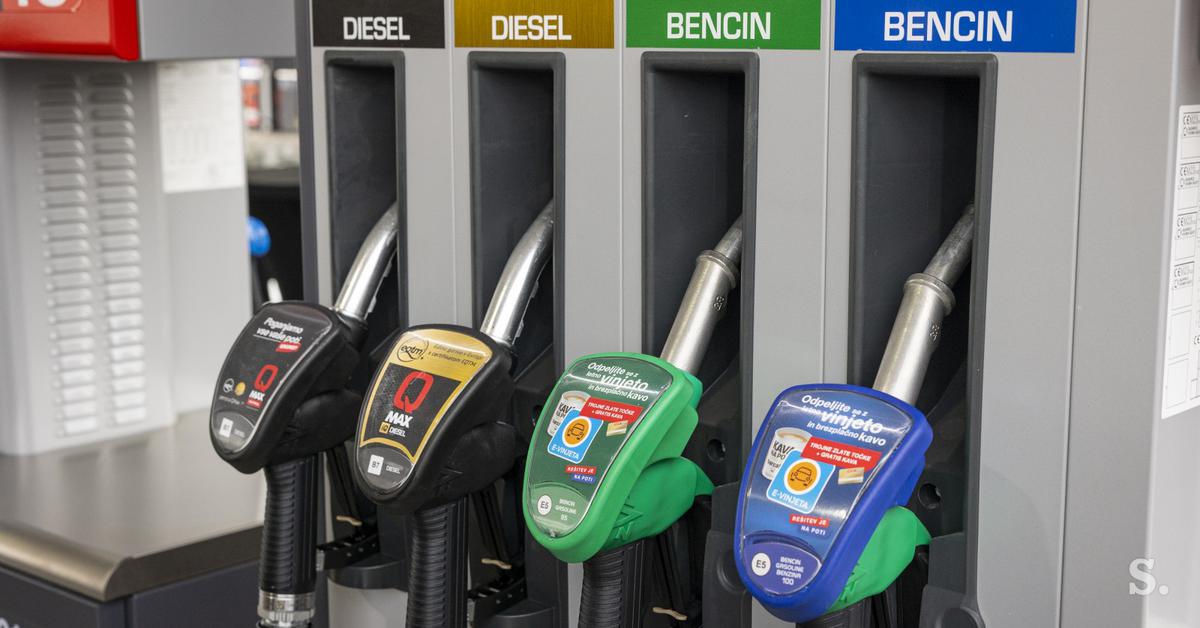
The Slovenian government has extended its regulation of fuel prices for another six months, effective June 16, 2026, while concurrently increasing the maximum allowed retail margins for fuel retailers. While gasoline prices remain unchanged at 1.592 euros per liter, diesel and heating oil prices will rise, following adjustments to excise duties and operational cost allowances.
New Price Structures and Regulatory Changes
Starting Tuesday, June 16, 2026, the maximum retail prices for petroleum products in Slovenia will shift as part of a government-mandated price control extension. According to data released by the Ministry of the Environment and Spatial Planning, the price for 95-octane gasoline remains fixed at 1.592 euros per liter, supported by an excise duty adjustment to 0.41759 euros per liter.
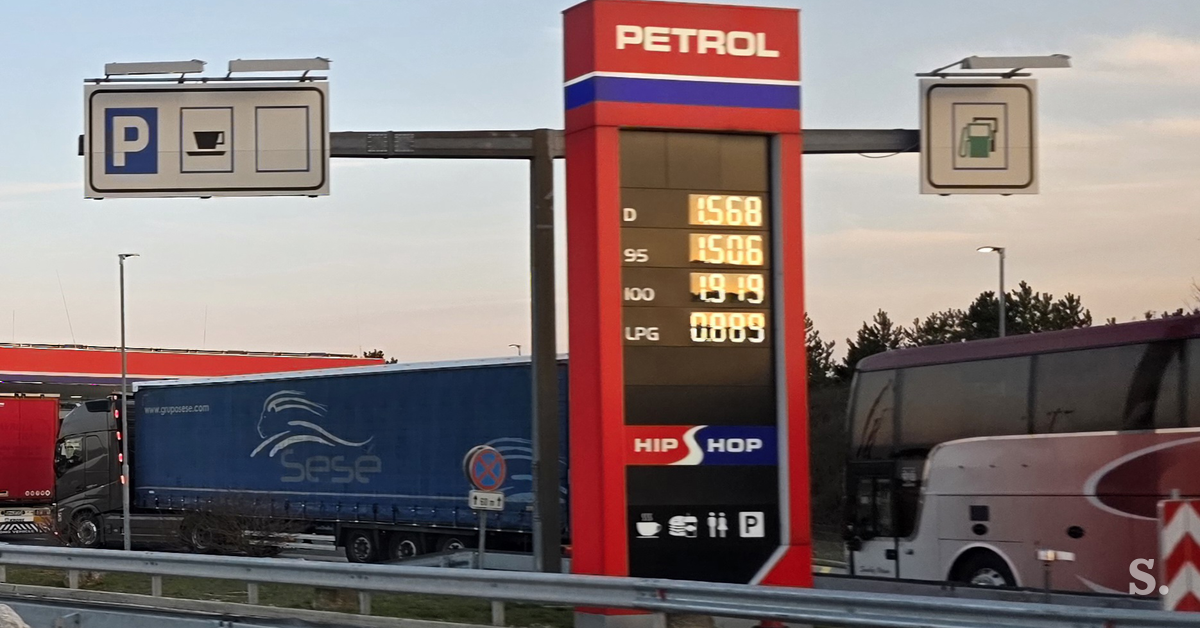
Diesel prices will see an increase to 1.718 euros per liter, up from the previous 1.685 euros. Heating oil is also set to rise to 1.318 euros per liter, compared to the previous 1.312 euros. For a standard 50-liter tank, consumers will pay 79.60 euros for gasoline and 85.90 euros for diesel, while a 1,000-liter delivery of heating oil will cost 1,318 euros before transportation expenses.

This regulatory extension is part of a broader, multi-year strategy by the Slovenian government to mitigate the impact of global energy market volatility on domestic inflation. By keeping retail prices under government control, the Ministry aims to provide predictability for households and small businesses that rely heavily on diesel for transport and heating oil for seasonal climate control. The process involves bi-weekly or periodic reviews of global oil market trends, specifically Platts Mediterranean benchmarks, which the government then adjusts using excise tax fluctuations to keep final consumer prices within a predetermined band.
Retailer Perspectives on Margin Adjustments
The government has raised the maximum allowed retail margin for all three fuel types to 0.1150 euros per liter. Previously, these margins were capped at 0.0983 euros for diesel, 0.0994 euros for gasoline, and 0.08 euros for heating oil, as reported by Siol.net. Despite the increase, major retailers argue the adjustment remains insufficient to cover rising operational expenses.
Petrol, the largest domestic retailer, noted that Slovenian margins remain significantly lower than those in neighboring markets. As RTV Slovenija reported, the company has consistently advocated for a margin structure that better reflects the actual costs of logistics, labor, and infrastructure maintenance required to operate a national fuel distribution network.
“Medtem ko regulirane maloprodajne marže v primerljivih državah praviloma dosegajo med 15 in 19 centov na liter, regulirana marža v Sloveniji znaša 11,5 centa na liter.”
Petrol, via RTV Slovenija
Shell Adria echoed these sentiments, labeling the margin hike a “positive shift” that partially addresses operational cost pressures but warned that it still falls short of European Union averages. The company emphasized that further detailed analysis is required to determine the exact financial impact on their business, noting that regulatory measures must remain aligned with market realities.
Market Stability and Political Reaction
The government’s decision includes adjustments to how biocomponents are calculated in diesel, specifically through the introduction of HVO (hydrotreated vegetable oil) and increased transport cost recognition. Industry players suggest these changes move the regulatory framework toward greater stability, acknowledging that modern fuel blending requirements—mandated by EU environmental directives—add a layer of complexity to cost calculations that the previous, simpler margin caps did not fully account for.
However, the political reception has been critical. Alenka Bratušek, chair of the National Assembly’s Commission for Oversight of Public Finance, characterized the move as an attempt to favor corporate interests over those of the public. She alleged during parliamentary proceedings that the government’s policy was focused on “filling the pockets of rich friends” rather than alleviating costs for average citizens. This highlights the ongoing tension between the government’s desire to maintain social stability through price caps and the commercial necessity for energy companies to maintain profitability in a high-inflation environment.
Impact on Consumer Costs
The Ministry of the Environment maintains that despite the price hikes, regulation continues to offer consumer protection. Without these price caps, the ministry estimates that retail prices would be significantly higher. Based on current market projections, the government asserts that the intervention prevents sudden, sharp spikes that would otherwise occur if retailers were left to pass on wholesale price fluctuations immediately.
| Fuel Type | Regulated Price | Estimated Unregulated Price |
|---|---|---|
| 95-Octane Gasoline | 1.592 €/l | 1.696 €/l |
| Diesel | 1.718 €/l | 1.822 €/l |
| Heating Oil | 1.318 €/l | 1.422 €/l |
For a 1,000-liter tank of heating oil, the ministry claims consumers save 104 euros compared to market-based pricing. While retailers continue to advocate for full deregulation to allow for more “efficient, timely and market-based adjustment of price mechanisms,” the current government mandate ensures that prices remain capped through at least December 2026. The adjustment still leaves Slovenian retailers at a competitive disadvantage, particularly when accounting for higher local transportation and regulatory costs compared to regional peers, according to industry analysis.
The broader significance of this policy lies in the delicate balance Slovenia must strike. By extending the regulation, the government signals that it views the current energy climate as too volatile to return to a fully liberalized market. However, the opposition’s vocal criticism reflects a growing public debate over whether these interventions truly benefit the consumer or if they are merely delaying a necessary correction that will eventually force higher costs onto the economy at a later date. As the six-month extension period progresses, the government will continue to track fuel prices against international benchmarks, with potential for further adjustments to excise duties if global crude oil prices shift significantly.
Find more reporting in our News section.
