
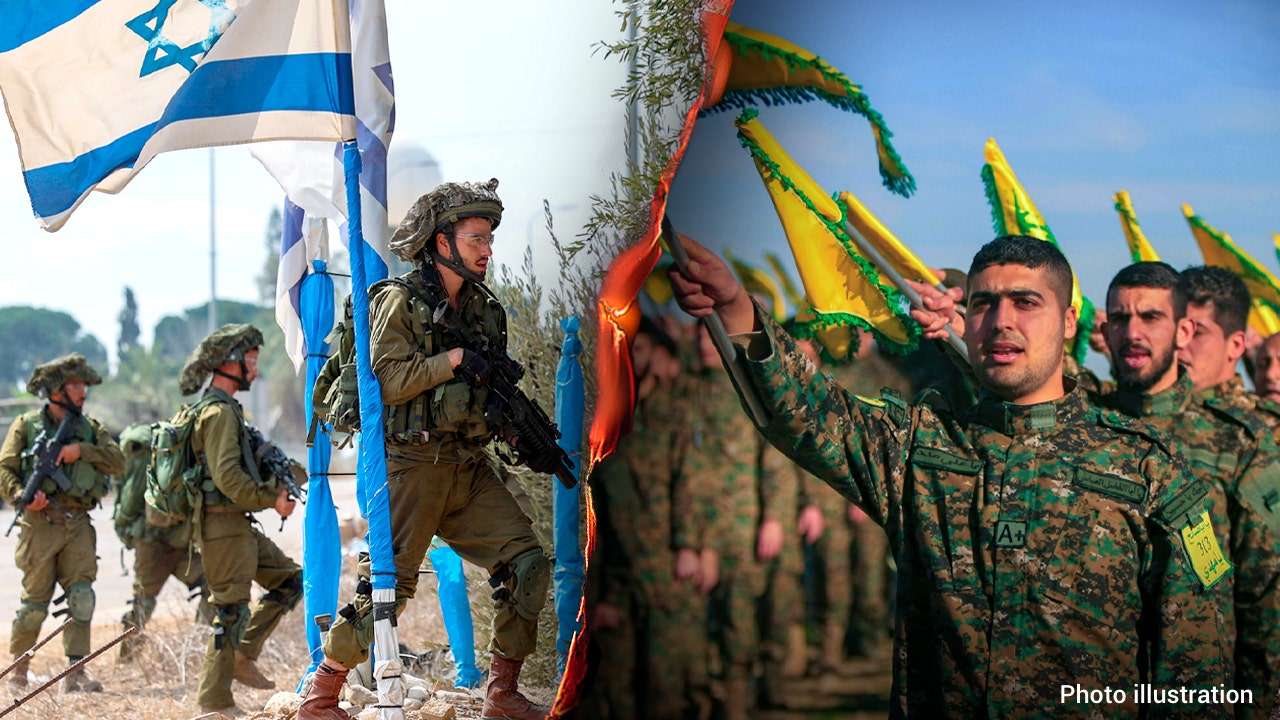
A 45-day ceasefire between Israel and Hezbollah, extended Monday by mutual agreement, has failed to halt hostilities in southern Lebanon and northern Israel, with both sides reporting continued clashes despite diplomatic efforts. The truce, announced after the third round of U.S.-brokered talks, now faces growing skepticism over its sustainability as fighting persists. Lebanese officials confirmed the extension was reached without a formal written agreement, relying instead on verbal assurances exchanged during negotiations in Washington, D.C., where Israeli and Lebanese delegations met with U.S. mediators over two days of closed-door discussions.
Ceasefire Extended, But Fighting Continues
A Lebanese official, speaking on condition of anonymity, confirmed Monday that Israel and Hezbollah had agreed to extend their ceasefire by 45 days following the third round of negotiations hosted by the United States. The announcement came as tensions remained high along the Israel-Lebanon border, with both sides accusing each other of violating the original truce within hours of its declaration. The extension was declared after representatives from both Israel and Lebanon met with U.S. mediators in Washington, D.C., where discussions focused on confidence-building measures rather than substantive political solutions.
The ceasefire, initially brokered after intense mediation efforts by U.S. officials, was set to expire on May 18, 2026, but was extended in an attempt to stabilize the situation. However, reports from ground sources indicate that clashes have continued unabated in areas along the Blue Line, the de facto border between Israel and Lebanon. A spokesperson for the Israeli Defense Forces (IDF) stated that Hezbollah had launched at least 12 rocket attacks into northern Israel since the ceasefire’s extension, while Lebanese military sources claimed Israeli airstrikes had targeted positions in southern Lebanon, including near the villages of Marjayoun and Bint Jbeil.
According to the Lebanese official, the extension was declared after the third round of talks, which included direct communications between Israeli and Hezbollah representatives for the first time since the conflict escalated in April 2026. The official did not specify whether the extension would include a formal written agreement or rely solely on verbal assurances, though U.S. mediators had previously emphasized the need for mutual restraint. The lack of a written document has raised concerns among diplomats about the ceasefire’s enforceability.
Violations and Escalation
Despite the ceasefire extension, both Hezbollah and Israeli military sources have reported ongoing exchanges of fire. Hezbollah’s military wing, in a statement released Monday, accused Israel of conducting airstrikes and artillery shelling in southern Lebanon, including near civilian infrastructure in the Bekaa Valley. The statement, attributed to a Hezbollah spokesperson, claimed that Israeli forces had violated the ceasefire “dozens of times” since its extension, though no specific incidents were detailed.
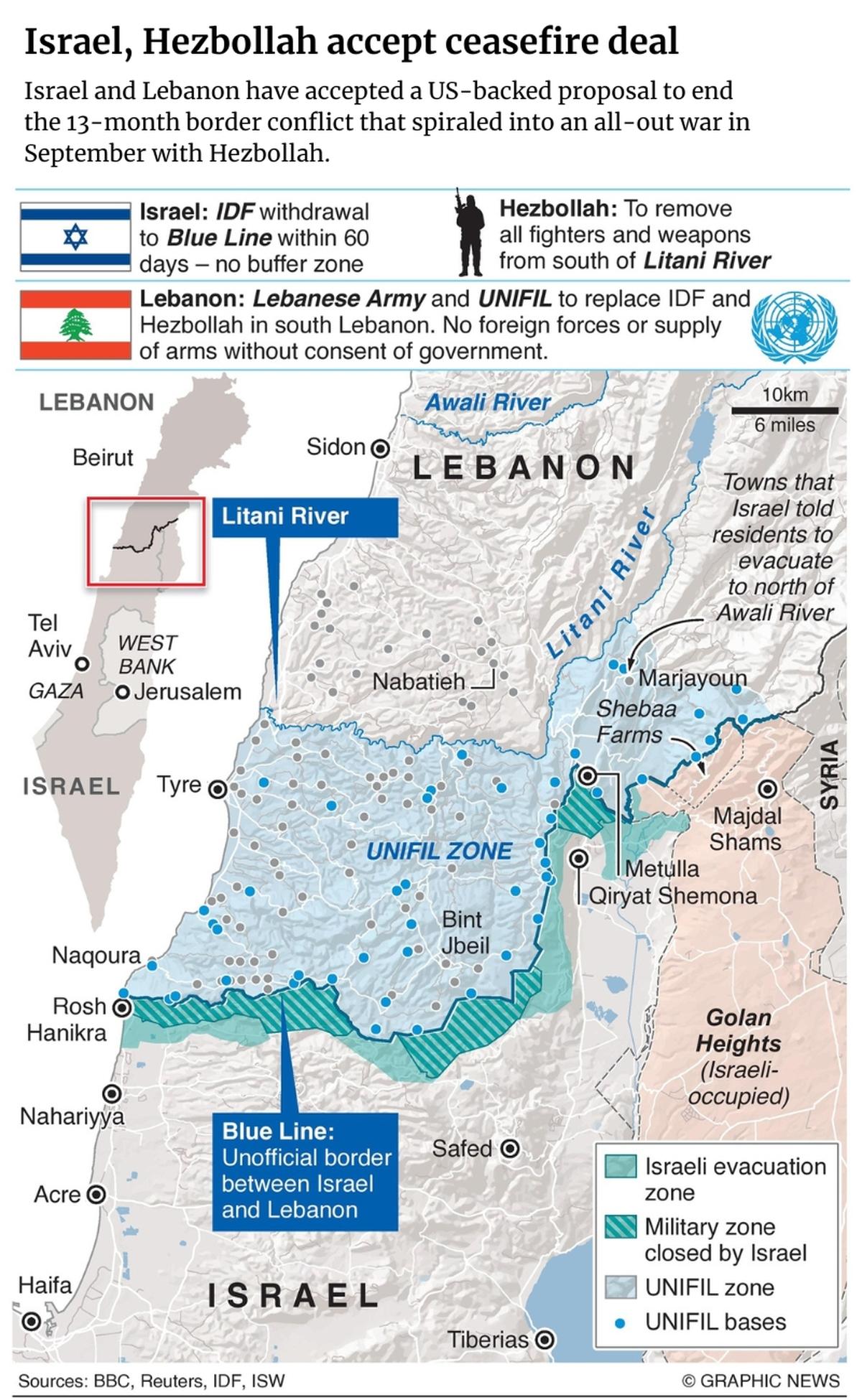
In response, an IDF spokesperson stated that Hezbollah had violated the truce by launching rockets into northern Israel, including near the city of Kiryat Shmona and the town of Metula. The spokesperson added that Israel had exercised “maximum restraint” but would respond to any provocation. The persistence of hostilities suggests that the ceasefire, while temporarily halting large-scale operations, has not addressed the underlying causes of the conflict, including Hezbollah’s demand for the withdrawal of Israeli forces from the Shebaa Farms region and Israel’s refusal to recognize Hezbollah’s territorial claims.
For more on this story, see Israel Restricts Return to South Lebanon Villages Amid Truce, Strikes Hezbollah Targets, Claims Control of 5% of Lebanese Territory.
Analysts, including those from the International Crisis Group, warn that without a broader political solution—such as prisoner exchanges, border demarcations, or broader regional negotiations—the ceasefire extensions may only provide temporary relief rather than a lasting resolution. A recent report by the group highlighted the risk of a regional spillover, particularly if Iran, which backs Hezbollah, escalates its involvement in the conflict.
Diplomatic Efforts and Uncertainty
The U.S.-brokered talks represent the latest attempt to de-escalate the conflict, which has seen periodic flare-ups since the initial ceasefire was declared in April 2026. However, the lack of a clear path forward—such as prisoner exchanges, border demarcations, or broader regional negotiations—has limited the impact of these diplomatic efforts. U.S. officials, including Secretary of State Antony Blinken, have emphasized the need for both sides to adhere to the ceasefire, though no concrete steps toward a political settlement have been announced.
Hezbollah, the Iran-backed militant group, has maintained its military operations against Israel, framing its actions as resistance against what it describes as Israeli occupation and aggression. In a recent interview with Al Mayadeen, a Hezbollah official stated that the group would not “back down” from its demands, including the withdrawal of Israeli forces from the Shebaa Farms region, which Lebanon claims as part of its territory. The official added that Hezbollah remained committed to the ceasefire but would respond to any Israeli violations.
Israel, meanwhile, has emphasized its right to self-defense while seeking to avoid a broader regional war. Prime Minister Benjamin Netanyahu, in a statement released Monday, reiterated Israel’s position that Hezbollah must cease all military operations and disarm. Netanyahu also warned that Israel would not tolerate attacks on its northern communities, adding that the IDF was prepared to respond with “decisive force” if necessary. The statement came as Israeli officials privately expressed frustration with the lack of progress in the U.S.-brokered talks, according to diplomatic sources.
For now, the ceasefire remains in place, but its longevity is uncertain. The next 45 days will be critical in determining whether the extension holds or if the conflict spirals further out of control. Lebanese and Israeli officials have both indicated that any resumption of large-scale hostilities would be met with swift retaliation, raising fears of a wider escalation.
What Comes Next?
The immediate focus remains on whether the ceasefire extension will hold, with both sides monitoring compliance closely. The IDF has deployed additional troops to the northern border, while Hezbollah has reportedly reinforced its positions in southern Lebanon. If violations continue, the risk of a full-scale resumption of hostilities increases, potentially drawing in other regional actors, including Iran and Syria.
International mediators, including the U.S., will likely continue pressing for a more durable solution, but the absence of a clear diplomatic breakthrough raises questions about the feasibility of a long-term ceasefire. U.S. officials have indicated that they are exploring additional confidence-building measures, such as joint patrols along the border, though no details have been finalized. The European Union has also called for an immediate ceasefire and a return to negotiations, though its role in the process remains limited.
For now, the situation remains volatile, with civilians in both Lebanon and Israel bearing the brunt of the ongoing instability. In southern Lebanon, hospitals have reported treating dozens of wounded civilians, while in northern Israel, schools and businesses have been forced to close due to the ongoing threat of rocket attacks. The United Nations Interim Force in Lebanon (UNIFIL) has expressed concern over the humanitarian impact of the conflict, calling for all parties to adhere to the ceasefire and allow for the delivery of aid to affected areas.
As of Monday, May 18, 2026, the conflict shows no signs of abating, underscoring the challenges of achieving a lasting peace in the region. The failure of the ceasefire extension to halt hostilities highlights the deep divisions between Israel and Hezbollah, as well as the limited influence of international mediators in resolving the underlying political disputes.
