

The U.S. military launched a second round of strikes against Iran on June 10, 2026, targeting multiple sites following the crash of an Army helicopter near the Strait of Hormuz. The escalation comes amid stalled diplomatic negotiations and persistent regional attacks, with crude oil prices surging past $93 a barrel as the conflict threatens global energy security.
Military Escalation and the Strait of Hormuz Standoff
The U.S. Central Command confirmed that military forces were striking “multiple targets in Iran,” a move described as a response to what officials termed “unauthorized and continued aggression,” according to AP News. These strikes follow a series of back-and-forth engagements this week, including Iranian fire directed at U.S.-hosting nations such as Bahrain, Kuwait, and Jordan.
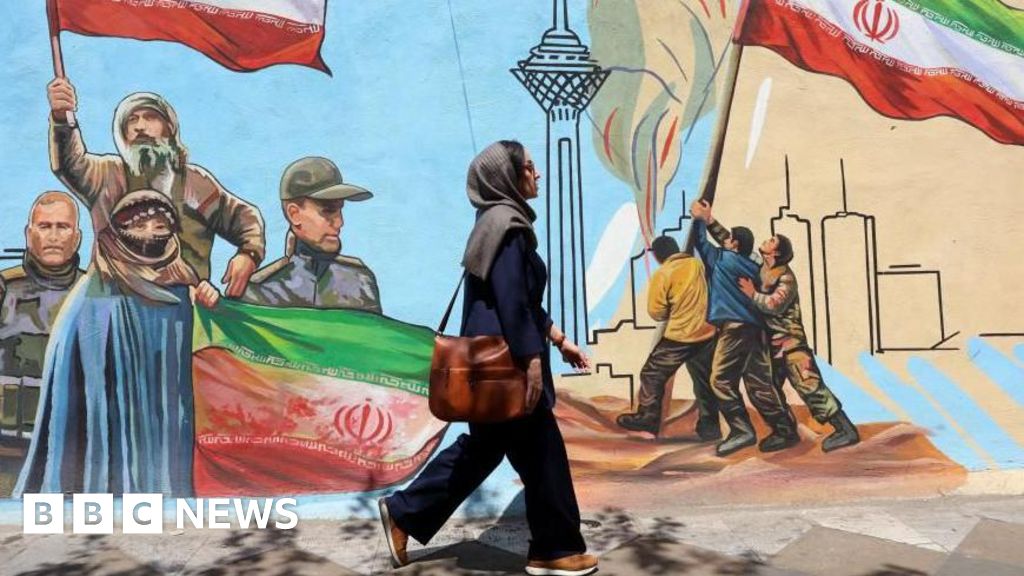
The conflict has centered heavily on the Strait of Hormuz, a critical maritime chokepoint for global oil and natural gas. The strait, which separates the Persian Gulf from the Gulf of Oman, serves as the primary artery for approximately one-fifth of the world’s total oil consumption. While Iranian media reported explosions in the southern cities of Bandar Abbas, Sirik, and Minab, the Iranian government has signaled defiance. According to Al Jazeera, Tehran has ordered a complete closure of the strait to all vessels, betting that its control over the waterway serves as a powerful bargaining chip against U.S. pressure.
The Strait of Hormuz has historically been a focal point for international tension. Under international law, specifically the United Nations Convention on the Law of the Sea, vessels enjoy the right of “transit passage” through international straits. However, Iranian officials have frequently challenged this interpretation, arguing that the waterway falls under their sovereign security interests. The closure, if sustained, would force tankers to find alternative, costlier routes, significantly impacting global supply chains that rely on the prompt delivery of energy resources.
Diplomatic Friction and Conflicting Narratives
Diplomatic channels remain strained as both Washington and Tehran struggle to reconcile their positions. President Donald Trump, who blamed Iran for the recent Army helicopter crash, has urged Tehran to sign a deal to end the war, suggesting a breakthrough could be imminent. However, Iranian officials have rejected the premise of negotiating under duress.
“Iran has never negotiated under threats and pressure and will never submit to pressure or question.”
Amir Saeid Iravani, Iranian Ambassador to the U.N., via AP News
The rhetoric from Tehran extends beyond the battlefield. Esmaeil Baqai, a spokesman for Iran’s foreign ministry, criticized the U.S. for what he called “damaging this diplomatic process through the contradictory messages it sends,” as reported by the BBC. The friction is further complicated by the objectives of regional allies; Israeli Prime Minister Benjamin Netanyahu has maintained a hardline stance, seeking the total collapse of Iran’s theocratic government and the dismantling of its nuclear program. This stance creates a complex diplomatic landscape, as the U.S. must balance its own strategic objectives with the security requirements of its regional partners, who often possess divergent end-state goals for the conflict.
For more on this story, see Russia Launches Major Air Offensive Against Kyiv.
International Condemnation of Iranian Threat Activity
Beyond the direct military strikes, a broad coalition of nations—including the U.S., U.K., Australia, and several European states—released a joint statement condemning what they characterized as “Iranian threat activity.” The signatories expressed concern over “lethal plotting and other malign actions” occurring within their borders, according to NBC News.
The coalition specifically cited a “recent campaign of attacks across Europe targeting Jewish communities, Iranian journalists, and U.S. interests,” which they attributed to the pro-Iranian group Harakat Ashab al-Yamin al-Islamiya. The joint statement emphasized that the connection between Iranian security services and local criminal groups is “long-standing” and that the use of such intermediaries is “deplorable.” This tactic, often referred to in intelligence circles as the use of “proxies,” allows state actors to maintain plausible deniability while exerting influence or causing instability in foreign territories. International bodies, including the United Nations, have historically struggled to address these activities, as they often fall into a gray area between conventional warfare and covert intelligence operations.
Economic Impact and Future Outlook
The economic fallout from the sustained conflict is increasingly visible. Crude oil prices have spiked, trading above $93 a barrel, representing a 25% increase since the conflict began on February 28. President Trump claimed that the U.S. military has conducted a “secret mission” to bypass Iranian forces in the Strait of Hormuz, asserting that over 100 million barrels of oil have been successfully moved at night under the cover of destroyed Iranian radar equipment. This claim, however, remains subject to independent verification, as the Pentagon has not released specific operational details regarding the alleged transit of tankers through the contested zone.
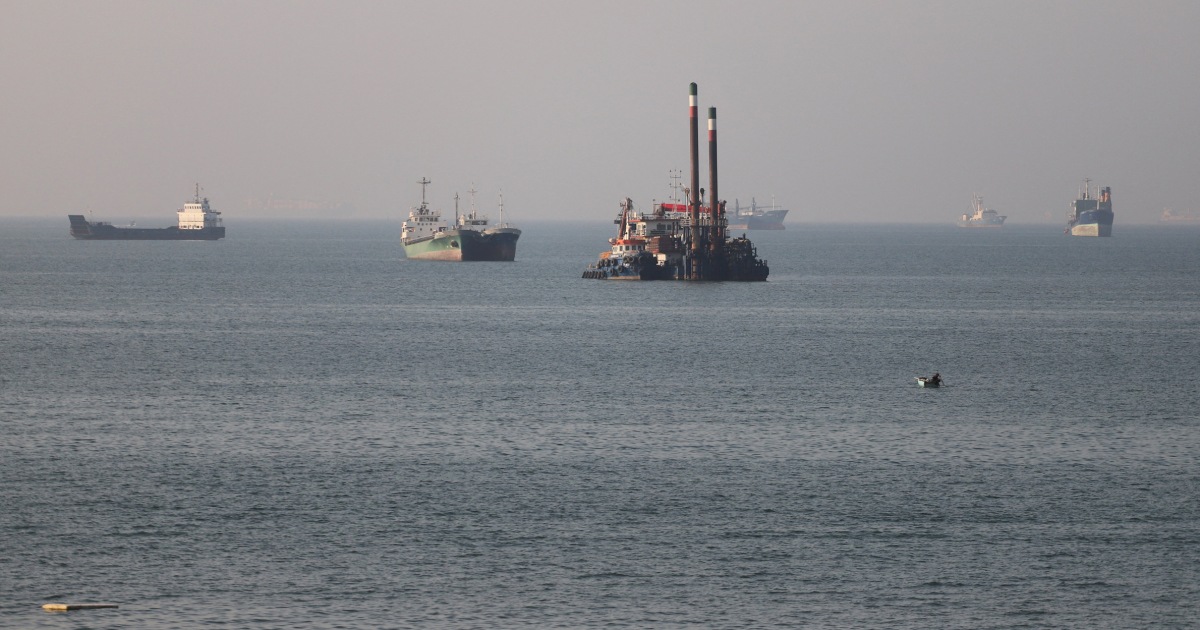
Market analysts note that volatility in energy prices is often driven by the “risk premium”—the added cost traders include in prices to account for the possibility of supply disruptions. The closure of the Strait of Hormuz represents an extreme scenario for global markets, as it forces energy-dependent economies to scramble for alternative supplies or rely on strategic reserves. As the conflict enters its next phase, the primary uncertainty remains whether either side can secure a domestic victory while de-escalating the violence. With both the U.S. and Iran trading strikes and accusations, the coming days will test the durability of the current ceasefire efforts, which have already been violated multiple times this week.
Find more reporting in our World section.
