

“Health officials are monitoring wastewater and social media for disease outbreaks during the 2026 FIFA World Cup, as concerns about measles, dengue, and Ebola persist amid the event’s unprecedented scale, according to The Straits Times and CNBC.”
Wastewater Surveillance as a Public Health Tool

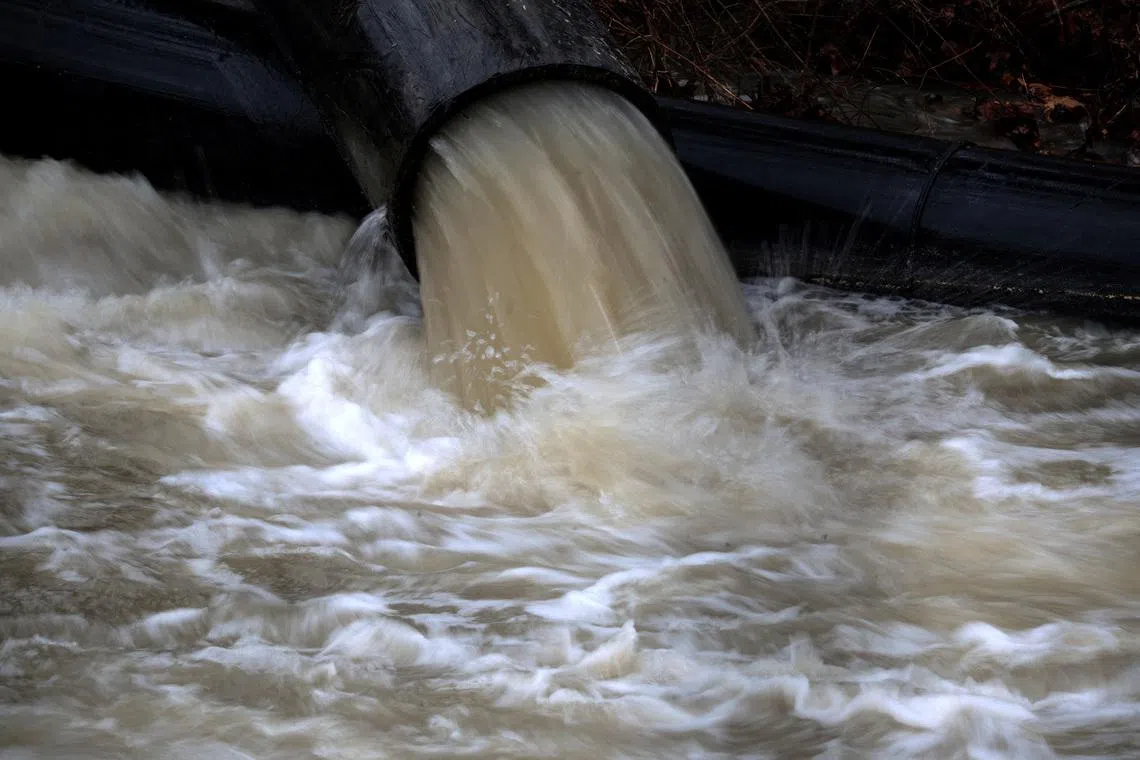
A new public health initiative, launched by Georgetown University in collaboration with MedStar Health, is using advanced wastewater analysis to detect infectious disease threats during the 2026 World Cup. The project, which employs DNA and RNA sequencing to identify microbial genetic material, aims to provide real-time data on potential outbreaks, allowing officials to act swiftly. “It’s incredibly powerful,” said Rebecca Katz, director of Georgetown’s Centre for Global Health Science and Security and head of the surveillance effort. The system is already receiving data from the U.S., Canada, and Mexico, with daily status reports shared with FIFA, local health authorities, and hospital emergency managers. This approach marks a critical shift in disease monitoring, leveraging technology to preemptively address risks in a mass gathering of 6.5 million international visitors.
Measles and Dengue: The Primary Concerns
While global attention has focused on the Ebola outbreak in Africa, health experts emphasize that more contagious diseases like measles and dengue pose greater risks during the World Cup. Dr. Shruti Gohil, associate medical director for University of California, Irvine Health, noted that “the overall likelihood of risk is not nonzero, but it’s low, very low, because it is not easy to transmit person to person.” However, the U.S. is experiencing its largest measles outbreak in decades, with ongoing cases in all three host countries. The Pan American Health Organization recommends that fans ensure they are up to date on measles, flu, and COVID-19 vaccinations. Measles, which spreads through close contact, remains a particular concern given the dense crowds at stadiums and public events.
Heat Risks and Crowd Management
Beyond infectious diseases, extreme heat presents a significant health challenge. The World Cup coincides with a period when 48 million people in the U.S. and Canada face “major” heat risk, with 100,000 in “extreme” danger. Heat-related illnesses, exacerbated by alcohol consumption and prolonged outdoor exposure, could strain emergency services. Dr. Jesse Pines, an ER physician and contributor to Forbes, warned that “heat exhaustion can escalate quickly into heat stroke, a life-threatening emergency.” Fans are advised to stay hydrated, avoid strenuous activity during peak heat, and seek shade. FIFA’s initial ban on outside water bottles at venues has drawn criticism, though policies vary by stadium.
Global Collaboration and Preparedness

The World Cup’s scale has prompted unprecedented coordination between public health agencies, academic institutions, and private sector partners. The Health Security Operations Center, led by the U.S. Centers for Disease Control and Prevention, is integrating data from wastewater monitoring, social media analysis, and clinical reports to track emerging threats. Dr. Theresa Tran, director of the Houston Health Department, highlighted the importance of “an operational invisible shield” to protect attendees. This effort includes quarantine protocols for teams from the Democratic Republic of Congo, where an Ebola outbreak has been declared a “public health emergency of international concern.” Despite these measures, experts stress that the risk of Ebola transmission during the tournament remains “very low.”
What Comes Next: A Test for Public Health Systems
The success of this health surveillance model could set a precedent for future large-scale events, including the 2028 Summer Olympics. However, challenges remain, including budget constraints and staffing shortages that have persisted since the Trump administration’s cuts to public health resources. “Public health prides itself in being the invisible shield,” Tran said, “but I don’t want that to get lost in the actual Herculean effort it takes.” As the tournament begins on June 11, the effectiveness of these measures will be tested in real time, with officials monitoring both biological and environmental risks to ensure the safety of millions of participants and spectators.
“According to The Straits Times, the 2026 World Cup’s health protocols represent a pioneering effort to balance global connectivity with localized disease control, blending cutting-edge technology with traditional public health practices.”
“CNBC reported that while the risk of Ebola transmission is low, the tournament’s organizers are preparing for a range of threats, from measles outbreaks to heat-related emergencies, underscoring the complexity of managing public health in a transnational event.”
“Rebecca Katz of Georgetown University emphasized the importance of wastewater surveillance in detecting outbreaks early, stating, ‘It’s incredibly powerful,’ as cited in The Straits Times.”
“Dr. Theresa Tran, director of the Houston Health Department, highlighted the need for vigilance, saying, ‘That’s a system that I’m extraordinarily proud about,’ according to CNBC.”
” Forbes warned fans to be cautious of heat illness, noting that ‘alcohol compounds the risk’ and advising ‘alternating alcoholic beverages with water’ to mitigate dangers.”
Find more reporting in our Health section.
