
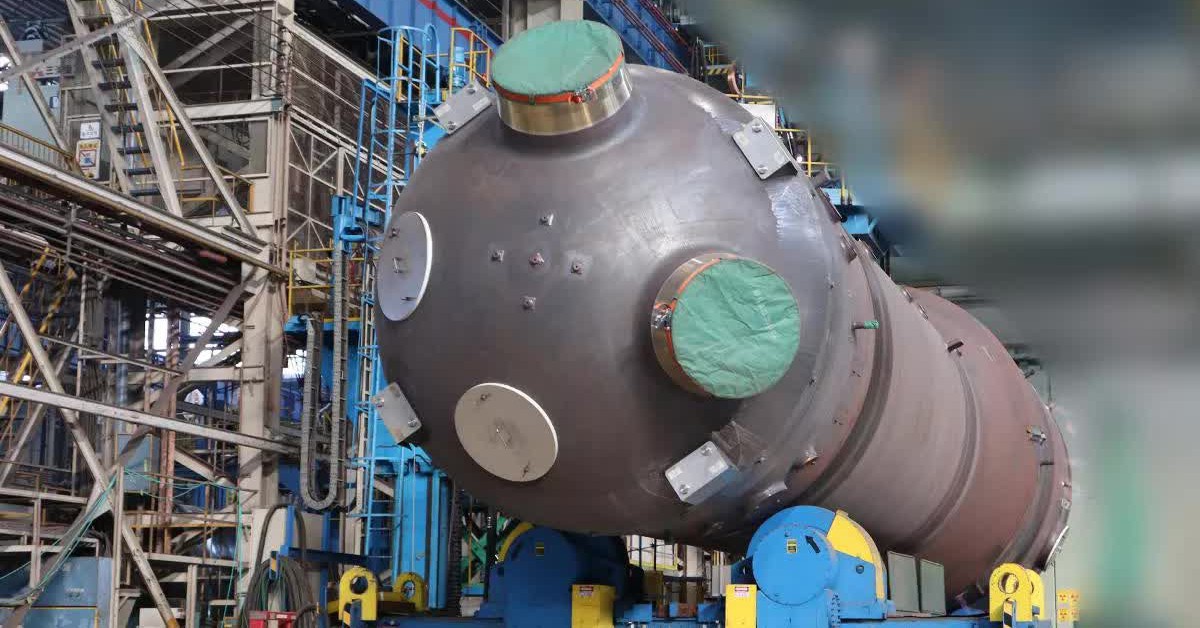
As nations scramble to scale renewable energy to meet surging electricity demand, a May 19, 2026, comparison from BGR highlights the stark disparity in physical scale between solar infrastructure and nuclear power generation. The analysis quantifies the sheer volume of photovoltaic hardware required to replicate the constant output of a single nuclear reactor, providing a technical baseline for evaluating the land-use and infrastructure requirements of decarbonization strategies.
The Math Behind Solar and Nuclear Output
To understand the challenge of replacing base-load nuclear power with solar, researchers point to the fundamental differences in capacity and efficiency. A typical commercial nuclear reactor produces approximately 900 megawatts of electricity with a capacity factor of 93%. Larger facilities can reach outputs as high as 1,600 megawatts, maintaining a near-constant supply of power to the grid. These reactors operate with minimal downtime, restricted primarily by refueling cycles or scheduled maintenance, which allows them to function as the backbone of electrical stability.

Solar energy faces a different set of physical constraints. According to data reported by BGR, standard solar panels generate between 400 and 460 watts under optimal sunlight. However, these figures do not account for real-world efficiency, which averages closer to 24%. When factoring in these performance variables, the gap between a single reactor and a solar array becomes immense.

To generate the same 837 megawatts—representing the 93% efficiency output of a 900-megawatt nuclear reactor—the math requires a massive installation. After adjusting for the 24% operational efficiency of standard panels, which reduces individual output to approximately 96 watts, the total requirement climbs to roughly 8.7 million solar panels. This calculation assumes the panels receive continuous light, a condition rarely met in actual environmental settings. In practice, the intermittent nature of solar energy—governed by the diurnal cycle and local meteorological patterns—means that the actual number of installations required to guarantee grid stability would necessitate substantial investments in battery storage systems or auxiliary peaking plants to compensate for hours of low or zero production.
Grid Reliability and the Role of Base-load Power
The primary advantage of nuclear power remains its ability to provide a stable, uninterrupted stream of electricity, regardless of time of day or seasonal weather shifts. While solar technology continues to evolve, the necessity for energy storage or hybrid grid solutions remains a central issue in the transition to cleaner power.
As noted in the BGR analysis, the performance gap is a primary driver for why nuclear energy remains a critical component of global electricity grids. While renewable sources are expanding rapidly, their output fluctuates based on daylight hours and atmospheric conditions, whereas nuclear facilities provide the consistent, high-density power required to support industrial and residential grids without the need for massive land footprints dedicated to solar collection. The spatial requirement for a solar farm capable of mimicking a 900-megawatt reactor is significant, often requiring thousands of acres to accommodate the millions of panels and the necessary spacing to prevent shading and allow for maintenance access.
Industrial Infrastructure and Fleet Maintenance
The logistics of building and maintaining large-scale energy infrastructure often mirror broader industrial trends in fleet management and mechanical engineering. For instance, firms like TCI Transportation emphasize the importance of high-uptime technology and maintenance to ensure that capital equipment remains operational. This focus on reliability and long-term cost-effectiveness is a hallmark of major industrial sectors, whether in energy production or commercial logistics. The operational philosophy requires that when systems are intended to provide critical services—whether moving goods or powering a city—the downtime must be minimized through rigorous preventative maintenance schedules and high-quality component selection.

Similarly, in the world of high-performance automotive engineering, companies like Total Cost Involved focus on geometry and construction that has been proven over decades. This emphasis on predictable handling and long-term reliability is the engineering standard that energy providers also apply to the construction of reactors and, by extension, the design of large-scale renewable arrays. The structural integrity of a mounting system for millions of solar panels must account for environmental stressors over a 25-to-30-year lifespan, mirroring the rigorous engineering standards found in heavy manufacturing.
Future Implications for Science Education
As these energy debates move into the public discourse, the need for robust science education becomes more apparent. Organizations like TCI are currently focused on providing K-8 science curricula that emphasize active, three-dimensional learning. By introducing students to phenomena-based investigations, educational programs aim to prepare the next generation to evaluate the complex trade-offs between solar, nuclear, and other energy sources. The goal is to move beyond superficial understanding and toward a grasp of the thermodynamic and logistical realities that govern global energy production.
The scale of the energy challenge—requiring millions of panels to match one reactor—is a clear example of the kind of quantitative reasoning that modern science curricula aim to foster. Understanding these ratios is essential for any informed discussion regarding the future of the global power grid. As students engage with these problems, they are encouraged to analyze data, calculate variables, and consider the systemic consequences of energy policy decisions. By grounding academic inquiry in the physical realities of power generation, educators hope to cultivate a workforce capable of navigating the technical complexities of the ongoing energy transition.
