
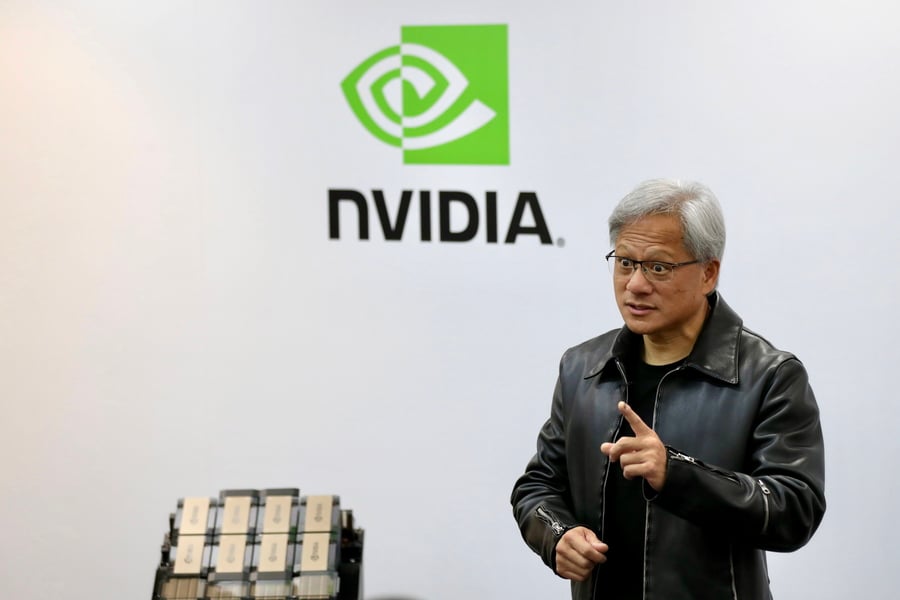
Nvidia CEO Jensen Huang told an audience at Singapore’s Channel NewsAsia on May 26, 2026, that students and parents should stop obsessing over career paths deemed resistant to artificial intelligence. Instead, Huang argued that traditional human skills, such as storytelling and critical design, will remain essential as workers learn to integrate AI tools into their professional workflows.
Redefining Career Longevity in the Age of AI
As artificial intelligence reshapes the global workforce, the traditional anxiety surrounding degree selection is becoming increasingly obsolete. During his interview with Channel NewsAsia, Jensen Huang addressed the pervasive fear among parents that their children must choose specific, AI-proof academic paths to ensure future employment. His stance is strikingly calm: the specific field of study matters far less than a student’s ability to adapt.

Huang posited that the fundamental value of human intellectual contribution remains unchanged by the rise of automated systems. Rather than attempting to predict which industries will be immune to automation, the Nvidia executive suggested that the focus should shift toward how individuals can use AI to amplify their existing capabilities, refine their craft, and deepen their understanding of their chosen purpose.
“I don’t think that will matter in the end. Everything that mattered in the past will continue to matter in the future,” Huang stated, emphasizing that the rapid evolution of technology does not strip away the relevance of foundational human intellect.
Human-Centric Skills as the New Competitive Edge
While AI is poised to automate repetitive tasks, Huang identified several domains that rely heavily on human nuance, which he believes will only gain value as the world becomes saturated with machine-generated content. According to reporting on the interview, these areas include journalism, storytelling, the arts, and design.
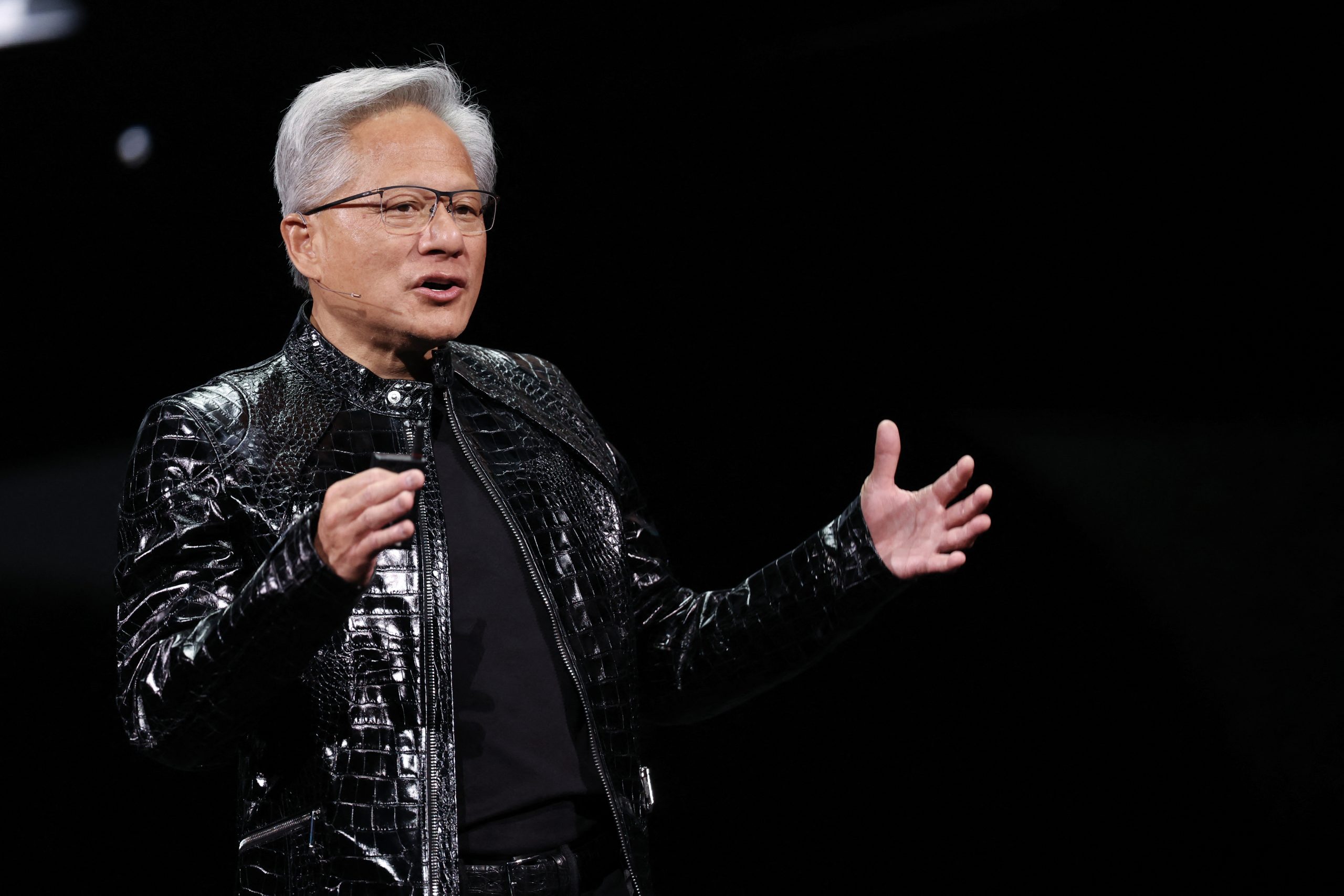
The logic here is rooted in the unique human ability to remain present and respond dynamically to moments of ambiguity. In journalism, for example, the value lies not just in information gathering, but in the ability to craft a narrative that resonates with an audience—a skill that requires emotional intelligence and critical judgment that AI cannot fully replicate.
Huang also referenced the Japanese aesthetic philosophy of wabi-sabi, which finds beauty in imperfection. This perspective suggests that human flaws and the distinctiveness of individual experience may become more prized in a future where AI-generated perfection becomes the standard. By leaning into these inherently human traits, workers can differentiate themselves in a competitive landscape.
Shifting the Educational Focus
The implication of Huang’s message is a departure from the “AI-proof” mentality that has dominated academic counseling in recent years. Instead of choosing a major based on its perceived safety from automation, students are encouraged to ask a different question: How can AI help me improve my knowledge, my art, and my specific purpose?
This shift marks a move away from static knowledge acquisition toward a more fluid, tool-based approach to learning. As AI assumes the burden of routine tasks, the workforce will be pushed toward more complex, creative, and collaborative endeavors. The goal of education, in this view, is to foster the agility needed to command these powerful tools rather than competing against them.
For parents and students alike, the message provides a rare moment of reassurance. The value of a career is not found in the technical durability of the job title, but in the human intent behind the work. As the technological landscape continues to shift, the ability to maintain one’s passion while utilizing AI as a force multiplier will likely define the next generation of professional success.

The Nvidia CEO’s remarks arrive at a time when academic institutions globally are grappling with the integration of generative AI into curricula. Huang’s commentary suggests that the anxiety surrounding the utility of specific degrees—often driven by market fluctuations and the fear of technological displacement—may be misdirected. By focusing on the integration of AI within traditional fields, students can leverage the technology to enhance human-centric outputs rather than viewing the software as a replacement for human intellect.
In the context of the current professional ecosystem, the advice serves as a counter-narrative to the trend of prioritizing purely technical, STEM-focused education over humanities. Huang’s emphasis on storytelling and design highlights that as AI becomes more proficient at logic and data processing, the premium on creative synthesis and the ability to articulate complex human experiences will likely increase. This perspective encourages a holistic view of education, where the development of critical thinking and creative adaptability is prioritized over the pursuit of narrow, specialized technical training that may become obsolete as the software capabilities of AI evolve.
