
Iran’s Oil Tankers Break Through: How the U.S.
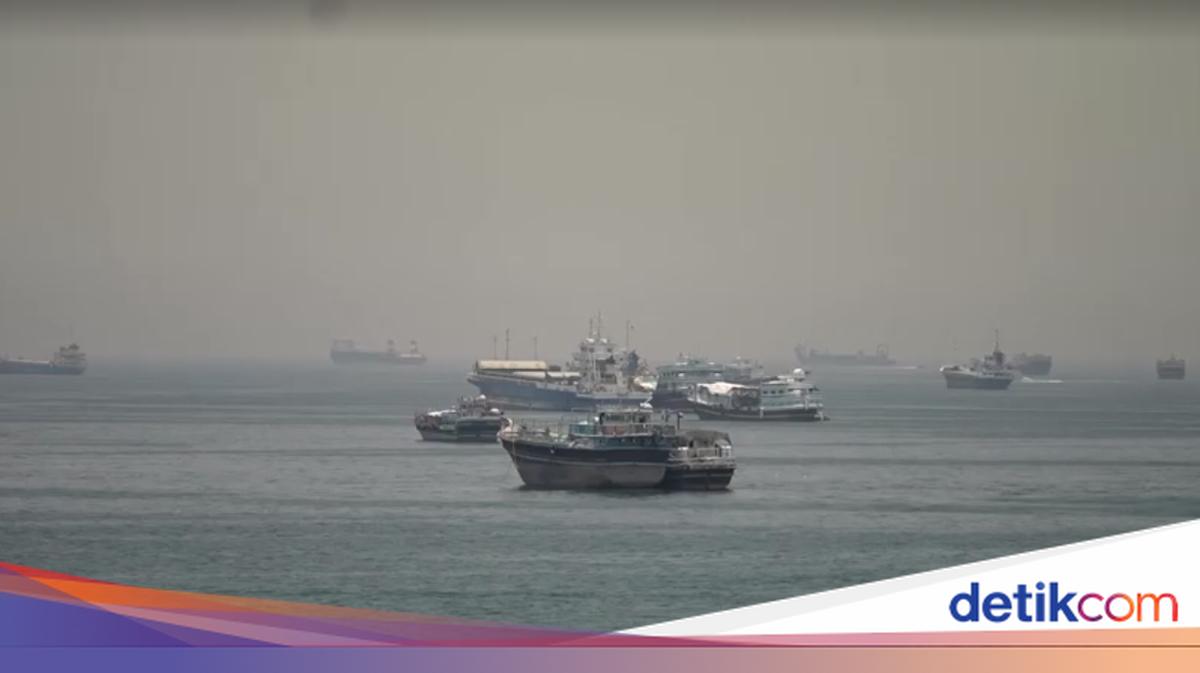
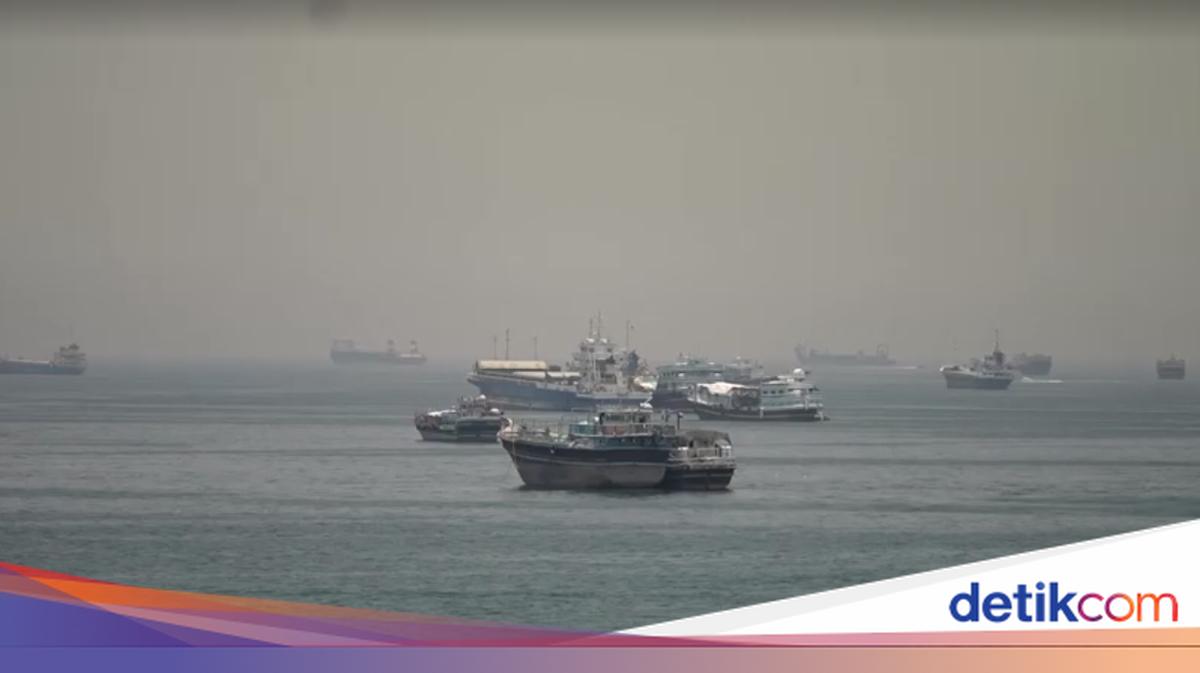
The first Iranian oil tankers in two months have exited the U.S.-enforced blockade in the Gulf, marking a dramatic shift in regional tensions. On Wednesday, June 17, 2026, at least two Very Large Crude Carrier (VLCC) vessels—DIONA (9569695) and HERO2 (9362073)—operated by the National Iranian Tanker Company (NITC), successfully navigated the U.S. naval perimeter, carrying a combined 3.8 million barrels of Iranian crude. A third NITC tanker was also confirmed to have cleared the blockade with 1 million barrels, according to TankerTrackers, which cited satellite imagery and digital tracking data verified by AFP.
This breakthrough follows President Donald Trump’s announcement on Tuesday that a U.S.-Iran peace deal had been finalized, with the Strait of Hormuz set to fully reopen by Friday, June 19. “The agreement with Tehran has been signed,” Trump declared in Evian, France, adding that the blockade would be lifted “permanently and immediately.” The move comes after weeks of escalating maritime tensions, including U.S. naval engagements that forced Iranian tankers to anchor in Chabahar, a port outside the Persian Gulf.
The Blockade’s End: How It Happened and What Changed
The U.S. had imposed the blockade in mid-April, cutting off Iranian oil exports after a series of attacks attributed to Tehran and its proxies in the region. The operation stranded an estimated 68 million barrels of Iranian crude—equivalent to nearly a month’s worth of Iran’s pre-sanctions output—according to Kpler, a maritime analytics firm. The blockade’s strict enforcement led to rare public confrontations, including U.S. naval warnings and, in some cases, live fire to deter vessels attempting to breach the perimeter.

Yet by Wednesday, the shift was undeniable. The three NITC tankers—DIONA, HERO2, and an unnamed third vessel—had reactivated their transponders and departed Chabahar, a move tracked by Bloomberg and confirmed by TankerTrackers. Their exact routes remain unclear, but two of the vessels were spotted transiting the Strait of Hormuz, while a third headed toward Oman’s coast. The timing aligns with Trump’s pledge to “let the oil flow,” a phrase he used to signal the end of restrictions.
Iranian officials had signaled the blockade’s easing earlier this month. A semi-official Iranian news agency quoted a vice foreign minister as stating that the U.S. had begun lifting its maritime restrictions, though Washington has yet to issue a formal confirmation. The lack of an official U.S. response underscores the deal’s delicate nature—one that Trump framed as a diplomatic victory but which carries risks for both sides.
The Peace Deal: What Was Agreed and What’s Still Uncertain
The agreement’s contours remain partially opaque, but key details have emerged. Trump’s announcement on Tuesday revealed that the deal includes a “permanent and immediate” cessation of hostilities across all fronts, including Lebanon, where Iran-backed groups have clashed with Israel. The Strait of Hormuz’s full reopening by Friday is the most visible concession, but the deal’s broader terms—including potential sanctions relief for Iran—have not been disclosed.

Pakistan’s Prime Minister Shehbaz Sharif first hinted at the deal on Monday, June 15, describing it as a “permanent end” to fighting. Trump later confirmed its signing, though he did not specify whether Iran had reciprocated with a formal document. The absence of a signed Iranian statement raises questions about the deal’s binding nature—especially given Tehran’s history of conditional agreements with the U.S.
Analysts warn that the deal’s success hinges on implementation. While the blockade’s lifting will immediately ease pressure on global oil markets—currently under strain from geopolitical disruptions—the absence of a clear roadmap for sanctions relief could leave Iran’s economic recovery fragile. “The market is reacting to the immediate relief,” said a senior trader quoted by Bloomberg, “but the long-term impact depends on whether this deal holds.”
Market Reactions: Oil Prices, Supply Shocks, and the Road Ahead
The reopening of Iran’s oil exports could send shockwaves through global energy markets, where prices have been volatile amid supply uncertainties. Iran’s pre-sanctions output of 2.5 million barrels per day—equivalent to roughly 3% of global demand—could flood markets if fully restored. Yet the immediate impact may be muted: the three tankers clearing the blockade carry only a fraction of Iran’s stranded reserves.
Still, the psychological effect is significant. “This is the first real test of the deal’s credibility,” noted TankerTrackers, which has tracked Iranian oil movements since the blockade began. The firm’s data shows that while the three vessels represent a small fraction of Iran’s total stranded crude, their departure signals a broader thaw in maritime activity. “The question now is whether this is a one-off or the start of a flood,” the firm added.
For Iran, the deal offers a lifeline. The country’s economy has been crippled by sanctions, and its oil sector—once a cornerstone of revenue—has been nearly paralyzed. The U.S. blockade had effectively cut off Iran’s VLCC fleet, forcing smaller vessels to operate in stealth mode. The return of the tankers, even in limited numbers, marks a critical step toward restoring Tehran’s export capacity.
Yet challenges remain. Iranian tankers have long faced difficulties in global markets due to insurance risks and sanctions compliance. The U.S. deal does not guarantee waivers for third-party insurers or buyers, meaning Iran may still struggle to secure full-market access. “The devil is in the details,” said a maritime risk analyst cited by Akses.co.id. “Even if the blockade is lifted, the sanctions regime isn’t gone overnight.”
What Comes Next: The Deal’s Fragility and Global Implications
The next 72 hours will be critical. Trump’s promise to fully reopen the Strait of Hormuz by Friday could trigger a rush of Iranian vessels seeking to capitalize on the deal. However, the absence of a clear sanctions relief timeline leaves room for backsliding. “The U.S. has a history of partial deals that collapse under pressure,” warned a diplomatic source familiar with the negotiations. “If Iran doesn’t see concrete benefits soon, it may revert to old tactics.”
For global markets, the immediate impact will be a test of supply elasticity. While the three tankers clearing the blockade carry only a fraction of Iran’s total reserves, their departure could embolden other vessels to follow. If even a portion of the 68 million barrels stranded in Chabahar begins moving, oil prices could dip sharply—potentially testing the $80-per-barrel threshold that has dominated markets since the conflict escalated.
Beyond oil, the deal’s success could influence broader regional dynamics. The cessation of hostilities in Lebanon—if enforced—could reduce tensions in Syria and Yemen, where Iranian-backed groups have been active. Yet skepticism remains. “Trump’s track record on Middle East deals is mixed,” noted a regional security analyst. “This could be a temporary pause or the start of a lasting detente.”
The coming weeks will reveal whether the deal endures. For now, the sight of Iranian tankers breaking through the blockade—after months of stalemate—is a stark reminder of how quickly geopolitical landscapes can shift. The question is no longer if the Strait of Hormuz will reopen, but how long it stays open—and what that means for the fragile balance of power in the Gulf.
Sources: Detik.com, MediaKompeten, <a href="https://www.akses.co.
<!– /wp:paragraph The swift re-opening of the Strait of Hormuz by Iranian tankers underscores the unpredictable nature of Middle East geopolitics, raising questions about the long-term implications for regional stability.Find more reporting in our World section.
