
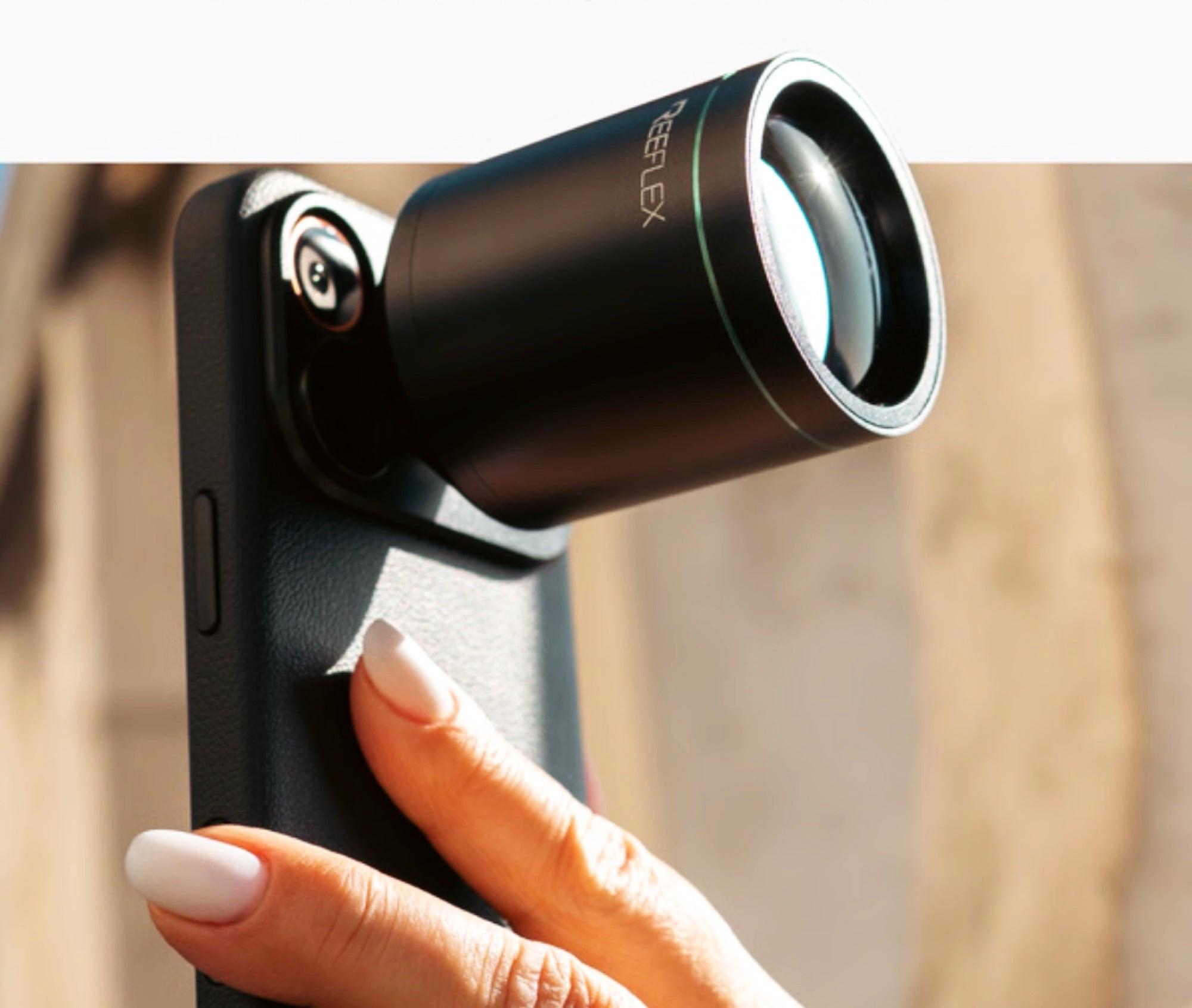
Smartphone photography is about to seize a giant leap forward. Apple and Samsung have both confirmed that their upcoming flagship devices—the iPhone 17 Pro and Galaxy S26 Ultra—will feature a groundbreaking 600mm telephoto camera, powered by the new Reeflex Ultra lens technology. The announcement marks a significant milestone in mobile imaging, pushing the boundaries of what consumers can capture with a handheld device.
A New Era for Mobile Zoom
The inclusion of a 600mm telephoto lens in both the iPhone 17 Pro and Galaxy S26 Ultra represents a major advancement in smartphone camera hardware. For context, this focal length is roughly equivalent to the super-telephoto lenses used by professional wildlife and sports photographers—capable of bringing distant subjects into sharp focus without the bulk of traditional DSLR or mirrorless setups. The move underscores how far mobile photography has evolved, transforming smartphones into versatile tools for both casual users and serious creators.
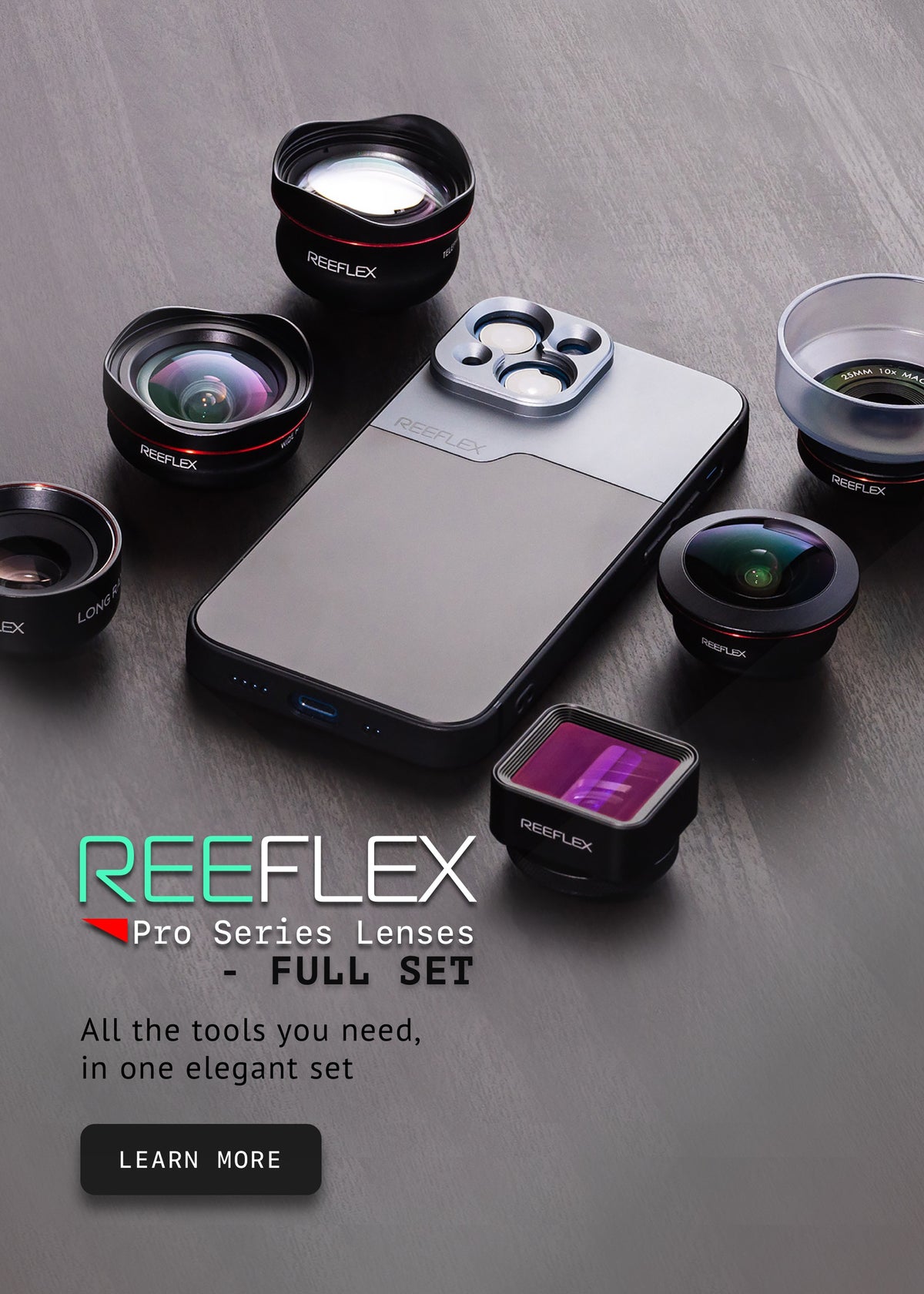
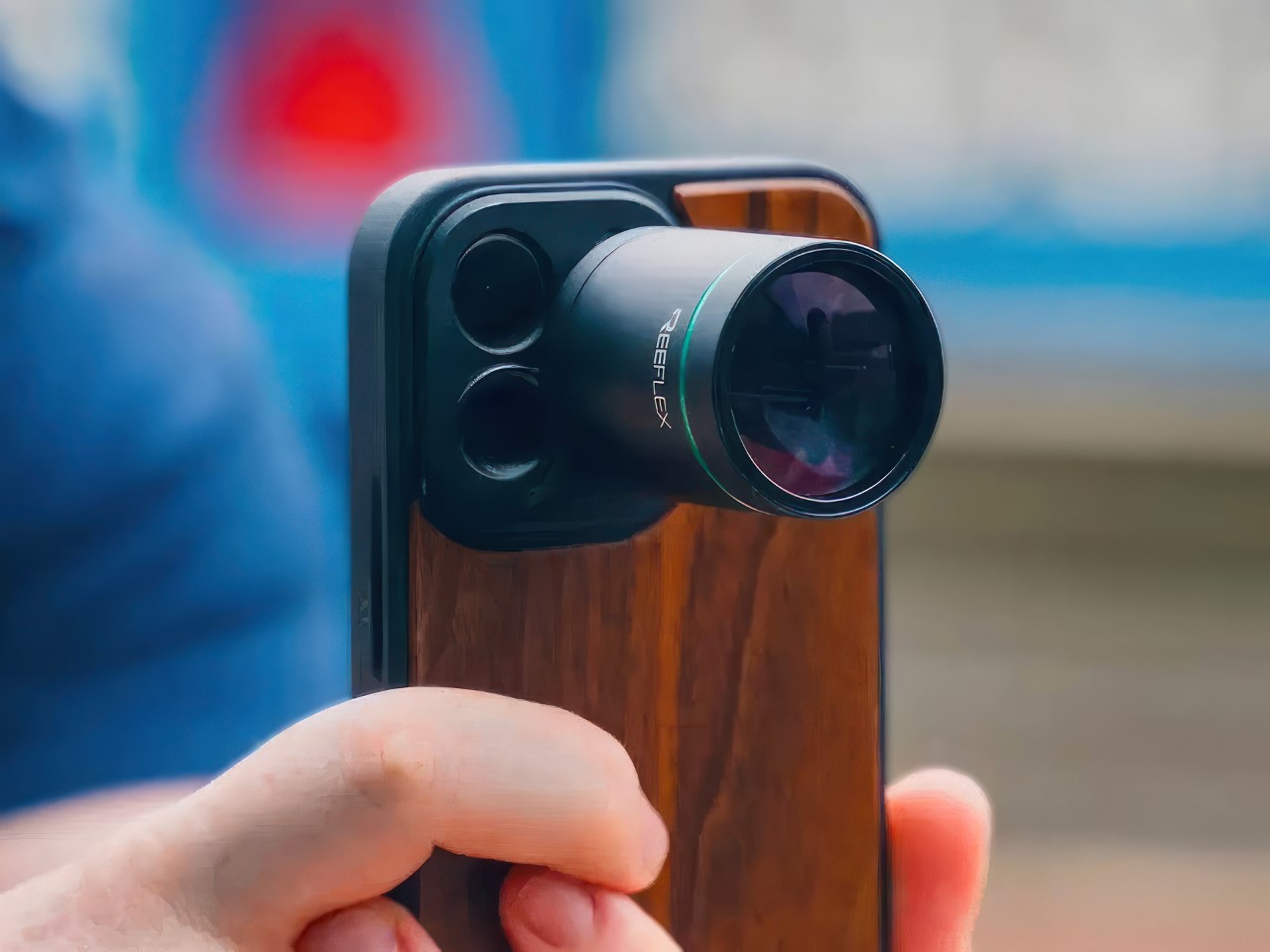
Reeflex Ultra, the technology behind this innovation, is a collaborative effort between Apple, Samsung, and a specialized optics manufacturer. While details about the exact mechanics remain limited, early reports suggest the system combines advanced periscope-style lens arrangements with computational photography to achieve such extreme zoom levels in a compact form factor. This approach mirrors trends in the broader tech industry, where hardware and software increasingly work in tandem to overcome physical limitations.
“The 600mm telephoto lens will redefine what users expect from smartphone cameras. Whether capturing a child’s soccer game from the sidelines or a rare bird perched high in a tree, the ability to zoom this far without sacrificing image quality is a game-changer.”
What Which means for Consumers
For everyday users, the practical benefits of a 600mm telephoto lens are clear. The technology eliminates the need for bulky external lenses or cumbersome tripods, making high-quality long-range photography accessible to anyone with a smartphone. Imagine snapping a crisp, detailed shot of the moon’s surface or zooming in on a distant landmark during travel—all without switching devices or adjusting complex settings.
Beyond convenience, the upgrade could also democratize professional-grade photography. Content creators, journalists, and even hobbyists will gain new creative possibilities, from wildlife documentation to event coverage, without investing in expensive dedicated camera equipment. The integration of such powerful optics into mainstream devices signals a shift in how we think about mobile imaging, blurring the line between smartphones and traditional cameras.
Both Apple and Samsung have remained tight-lipped about other potential camera improvements in their upcoming models, but industry observers expect additional enhancements in low-light performance, video stabilization, and AI-driven editing tools. The Reeflex Ultra lens may just be the first of several innovations set to debut in 2026’s flagship smartphones.
Competition Heats Up in the Smartphone Camera Wars
The simultaneous adoption of Reeflex Ultra by Apple and Samsung highlights the fierce competition in the premium smartphone market. While the two tech giants have long battled for supremacy in display technology, processing power, and design, camera capabilities have emerged as a key differentiator for consumers. This latest development suggests that neither company is willing to cede ground in the race for photographic excellence.
Interestingly, the partnership on Reeflex Ultra—despite Apple and Samsung being direct competitors—reflects a growing trend in the tech industry: collaboration on foundational technologies to push the entire market forward. By pooling resources to solve complex optical challenges, both companies can accelerate innovation while maintaining their competitive edges in other areas, such as software integration and user experience.
As the release dates for the iPhone 17 Pro and Galaxy S26 Ultra approach, anticipation is building among photography enthusiasts and tech analysts alike. If early indications are any guide, these devices could set a new standard for mobile imaging, forcing rivals to rethink their own camera strategies. For now, one thing is clear: the future of smartphone photography is looking sharper—and more distant—than ever.
Stay tuned for more updates as we approach the official launches of these highly anticipated devices.
