

The White House has signaled skepticism toward Iran’s latest proposal to end the escalating tensions between the two nations, with President Donald Trump reportedly dissatisfied over the omission of key nuclear negotiations from the deal, according to U.S. Officials.
The Iranian offer, presented earlier this week, centers on reopening the strategic Strait of Hormuz—a critical chokepoint for global oil shipments—in exchange for an end to hostilities. Whereas, the proposal makes no mention of Iran’s nuclear program, a long-standing point of contention in U.S.-Iran relations. The development comes as regional stability hangs in the balance, with the Strait of Hormuz serving as a vital artery for nearly one-fifth of the world’s oil supply.
Trump Administration Pushes Back
During a closed-door national security meeting at the White House on Monday, Trump expressed frustration over the proposal’s lack of nuclear provisions, sources familiar with the discussions told reporters. The president’s stance reflects broader U.S. Concerns that any agreement must address Iran’s nuclear ambitions to ensure long-term security in the Middle East.
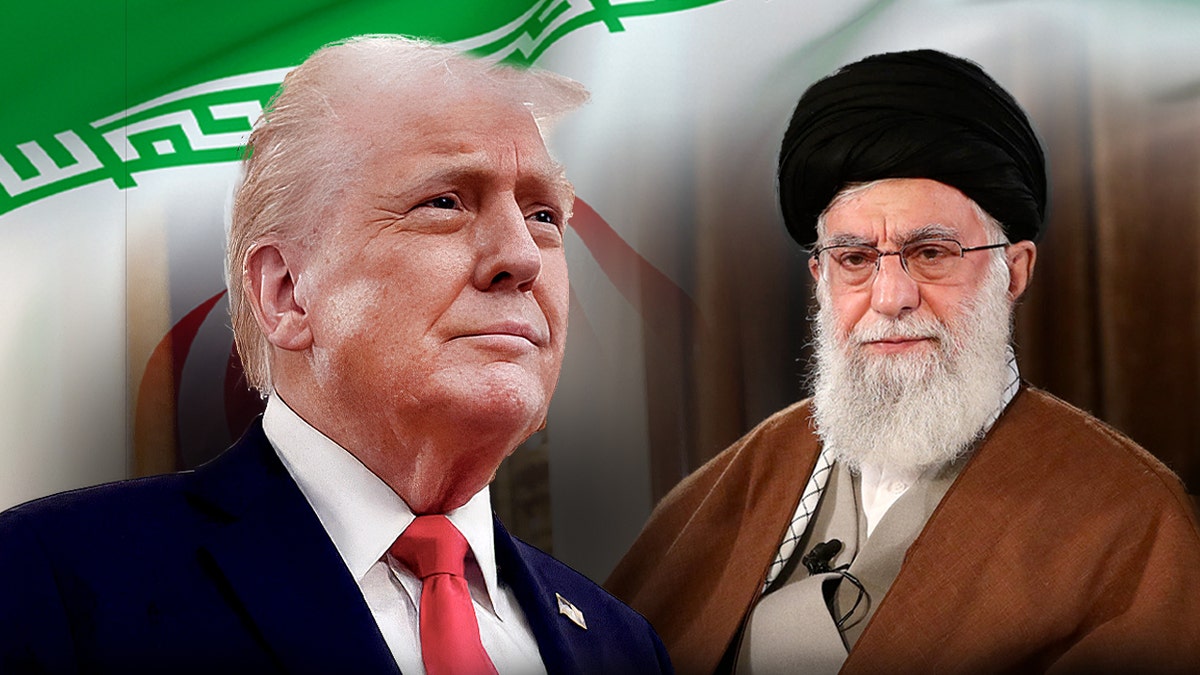
“The administration’s position is clear: any deal must include verifiable commitments on Iran’s nuclear activities,” a U.S. Official said, speaking on condition of anonymity. “Leaving that issue unaddressed is a non-starter.”
The Iranian proposal, which similarly calls for a ceasefire, has been met with cautious optimism by some regional observers, though analysts warn that its narrow focus could limit its effectiveness. The Strait of Hormuz, a 21-mile-wide waterway separating Iran from Oman, has been a flashpoint in past conflicts, with Iran previously threatening to close it in response to U.S. Sanctions.
Regional Tensions Remain High
Iran’s latest move comes amid heightened tensions following months of military posturing and economic pressure. While the proposal does not explicitly address nuclear issues, Iranian officials have framed it as a confidence-building measure to ease hostilities. However, U.S. Officials remain unconvinced, viewing the offer as an attempt to sidestep broader diplomatic demands.
“Here’s about more than just reopening a waterway,” said a senior U.S. Diplomat. “Iran has a history of using negotiations to buy time while advancing its nuclear program. We can’t ignore that.”
The impasse underscores the challenges of reviving stalled diplomatic efforts, particularly as both sides remain deeply divided over the terms of any potential agreement. With no immediate breakthrough in sight, the risk of further escalation looms large over the region.
Global Implications
The Strait of Hormuz’s strategic importance cannot be overstated—roughly 20% of the world’s oil passes through its narrow waters daily. Any disruption could send shockwaves through global energy markets, driving up prices and destabilizing economies already grappling with inflation and supply chain disruptions.
While Iran has not publicly detailed its full proposal, U.S. Officials say they are reviewing it with a mix of skepticism, and urgency. The coming days will be critical in determining whether the two sides can find common ground or if the standoff will deepen further.
For now, the White House has not ruled out further negotiations but insists that any deal must be comprehensive. “We’re not closing the door on diplomacy,” the U.S. Official said. “But we’re also not going to accept half-measures that ignore the core issues at stake.”
“The administration’s position is clear: any deal must include verifiable commitments on Iran’s nuclear activities.”
— U.S. Official
This is a developing story. Updates will be provided as more information becomes available.
