

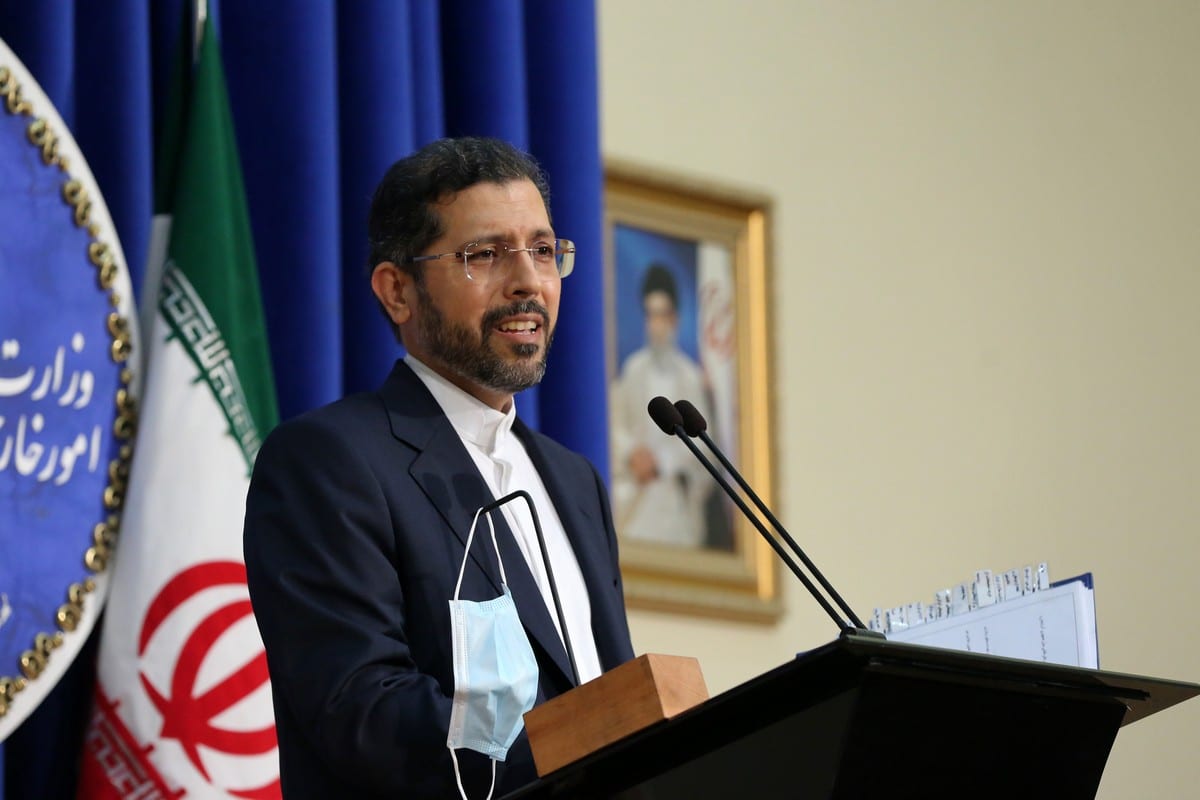
On May 20, 2026, Iran’s Foreign Ministry spokesperson, Saeed Khatibzadeh, warned that the Islamic Republic would unleash “many more surprises” if regional tensions escalated into renewed conflict, according to a statement published by the official news agency IRNA.
Escalation in the Persian Gulf
The warning follows heightened military posturing by Iran and its allies in the Persian Gulf, including the deployment of ballistic missiles and cyber-attack capabilities near key shipping lanes. A May 18 report by the U.S. Central Command confirmed increased Iranian activity in the Strait of Hormuz, though no direct engagement has been reported. Khatibzadeh’s remarks, delivered during a press briefing in Tehran, emphasized that “Iran’s strategic patience has limits” if external forces “continue to provoke.”

Analysts note the statement aligns with Iran’s long-standing rhetoric of deterrence, but its timing coincides with U.S.-led naval exercises in the region. The U.S. Department of Defense declined to comment directly on the warning, stating, “We remain vigilant against any actions that threaten regional stability.”
“Iran’s latest statements are a calculated attempt to signal resolve while avoiding direct confrontation. However, the risk of miscalculation remains high given the volatile dynamics in the Gulf.”
Dr. Reza Marashi, Middle East analyst, International Institute for Strategic Studies
Regional Responses and Diplomatic Efforts
Gulf Cooperation Council (GCC) nations have called for restraint, with Saudi Arabia’s Foreign Ministry issuing a statement urging “all parties to de-escalate tensions through dialogue.” The UAE’s Ministry of Foreign Affairs echoed this, noting that “conflict in the region would have catastrophic consequences for global energy markets.”
Diplomatic efforts have stalled, however. A May 17 UN Security Council meeting on the crisis ended without a resolution, as Russia and China blocked a U.S.-backed statement condemning Iranian military buildup. The council’s failure to act underscores the deepening divide among global powers over Iran’s nuclear program and regional influence.
Israel has also heightened its own military readiness. An Israeli Defense Forces (IDF) spokesperson confirmed “increased air defense drills” along the northern border, though no direct link to Iran’s warnings was acknowledged. The IDF’s cautious stance reflects broader concerns about a potential multi-front conflict involving Hezbollah in Lebanon and Hamas in Gaza.
Historical Context and Unrest
Iran’s current warnings echo past confrontations, including the 2020 U.S. assassination of General Qasem Soleimani and the 2021 attacks on oil tankers in the Gulf of Oman. However, the 2026 context is distinct, with Iran’s nuclear enrichment levels reaching 60%—a significant jump from the 20% cap imposed by the 2015 Joint Comprehensive Plan of Action (JCPOA). The Islamic Republic has repeatedly denied seeking nuclear weapons, stating its program is for “civilian energy and scientific research.”
Domestically, Iran faces economic pressure and public unrest. A May 15 protest in Tehran, organized by student groups, called for an end to “military adventurism” and demanded economic reforms. The government has since arrested several activists, according to human rights organizations, though official figures remain unverified.
What Comes Next?
The coming weeks will test the resilience of regional and international diplomacy. The International Atomic Energy Agency (IAEA) is scheduled to release a report on Iran’s nuclear activities on May 25, which could influence global responses. Meanwhile, the U.S. and its allies are considering targeted sanctions against Iranian entities linked to missile development, according to a May 19 congressional memo.
For now, the focus remains on preventing accidental escalation. As Dr. Marashi noted, “The window for de-escalation is narrowing, but direct conflict remains a high-risk outcome if current trends continue.”
