
The Balance of Health: Why Excessive Fat Loss May Be as Risky as Obesity
Recent scientific findings are challenging conventional wisdom regarding body weight, suggesting that a severe deficiency in body fat may pose health threats that are as significant as, or in some cases more dangerous than, those associated with obesity. This shift in perspective underscores the critical importance of maintaining a healthy biological balance rather than pursuing extreme weight loss.
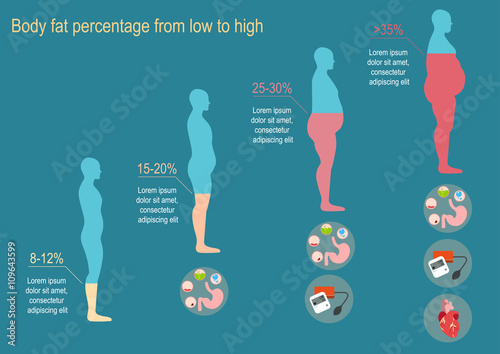
While the dangers of being overweight are well-documented, modern reports highlight a “scientific surprise”: the risk associated with having too little body fat. According to research discussed by Euronews and Majallat Al-Rajul, the loss of excessive amounts of fat can be just as perilous as obesity, complicating the traditional approach to weight management.
On the other end of the spectrum, the risks of obesity remain a primary public health concern. Dr. Heba Yousef has warned that obesity often serves as a gateway to “Metabolic Syndrome,” a cluster of conditions that significantly increase the risk of chronic health issues. Dr. Yousef issued a serious scientific warning regarding the use of the Keto diet, suggesting that restrictive dietary patterns may carry unforeseen risks.

The danger of pursuing rapid weight loss through unverified means was a central theme during a recent scientific forum held in Benghazi. Medical experts at the event cautioned against the “random use” of weight-loss medications, emphasizing that using these drugs without professional medical supervision can lead to severe health complications. These warnings, as reported by Libya News, highlight a growing trend of unsafe pharmacological interventions for weight control.
The intersection of these findings—the risks of obesity, the dangers of restrictive dieting like Keto and the perils of excessive fat loss—suggests that health is not merely about the number on a scale. As noted in reports by Al Bayan, achieving a sustainable and balanced body composition is essential for long-term wellness.
These developments underscore a critical need for personalized medical guidance in weight management. By avoiding extreme dietary restrictions and unregulated medications, individuals can better protect themselves from both the metabolic risks of obesity and the unexpected dangers of excessive fat loss.
